






The Dream of the Archive Car
In the archives of the world's greatest carmakers lie countless forgotten treasures: preliminary design sketches, radical concepts that never saw the light of day, and bold visions of the future, as seen from the past. The idea of pulling one of these
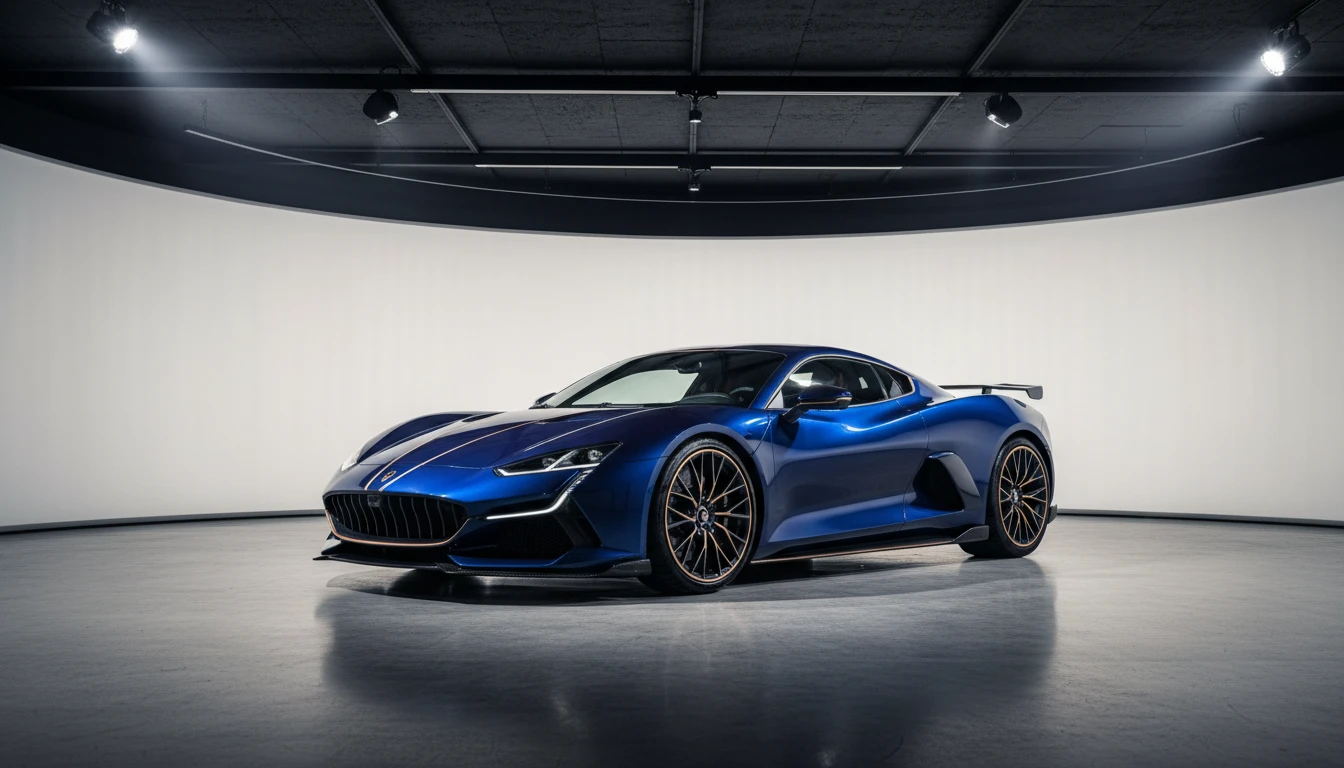
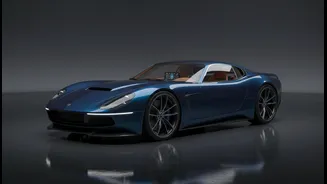
drawings from its slumber and transforming it into a gleaming, road-going reality is a romantic notion that captivates car lovers. It’s a chance to touch history, to drive a dream that was deferred for decades. While a specific vehicle like the 'Aptera Lusso' does not appear in the production plans of Aptera Motors—a company focused on a futuristic solar electric vehicle—the spirit behind the headline is alive and well in the ultra-exclusive corners of the automotive industry. In fact, a new Bizzarrini 5300 Aperta Lusso was recently unveiled, based on a lost 1960s design by Giorgetto Giugiaro, showing that turning sketches into limited-run cars is a very real phenomenon.
Continuation Cars: History Made Anew
This burgeoning trend has a name: continuation cars. These are not replicas or restorations, but new vehicles built by the original manufacturer, often to the exact specifications of a bygone era. Think of it as a record label pressing a new, limited vinyl run from the original master tapes. Jaguar Classic, for example, initiated its 'E-Type Reborn' program, sourcing original Series 1 E-Types and meticulously rebuilding them to factory-fresh condition. Similarly, Aston Martin has created continuation series for its legendary DB4 GT and the iconic DB4 GT Zagato, hand-building a small number of new cars for collectors, decades after the original production run ended. These projects are painstaking, with each Aston Martin Zagato requiring around 4,500 hours of artisan work. They are built to be as authentic as possible, sometimes even completing a production quota that was never met in the 1960s.
Resurrecting a Lost Unicorn: The Countach LP 500
Perhaps the most extreme example of bringing the past to life is Lamborghini's reconstruction of the 1971 Countach LP 500 prototype. This was the car that stunned the world at the Geneva Motor Show and set the template for supercars for the next 50 years. But the original prototype was sacrificed in crash testing in 1974 and vanished. In 2017, at the request of a collector, Lamborghini's Polo Storico heritage division embarked on a 25,000-hour mission to recreate it from scratch. Using only period photographs, original documents, and 3D scans of a later production car for reference, they rebuilt the lost icon, including its unique chassis and hand-beaten body panels. It was a passionate, expensive, and technically challenging exercise in automotive archaeology.
The Business of Nostalgia
Why are multi-billion dollar companies dedicating so much effort to rebuilding cars from their past? The answer is a potent mix of passion and savvy business. Heritage divisions like Jaguar Land Rover Classic, Lamborghini Polo Storico, and Aston Martin Works have become highly profitable ventures. These continuation cars, with price tags often reaching into the millions, cater to an elite clientele willing to pay a premium for authenticity and exclusivity. But it's more than just sales. These projects are powerful marketing tools. They generate immense media buzz, reinforce the brand's legacy of design and engineering, and create a 'halo effect' that lends prestige to their modern showrooms. It's a way for a brand to curate its own history, turning its greatest hits into new masterpieces.
More Than Just a Car
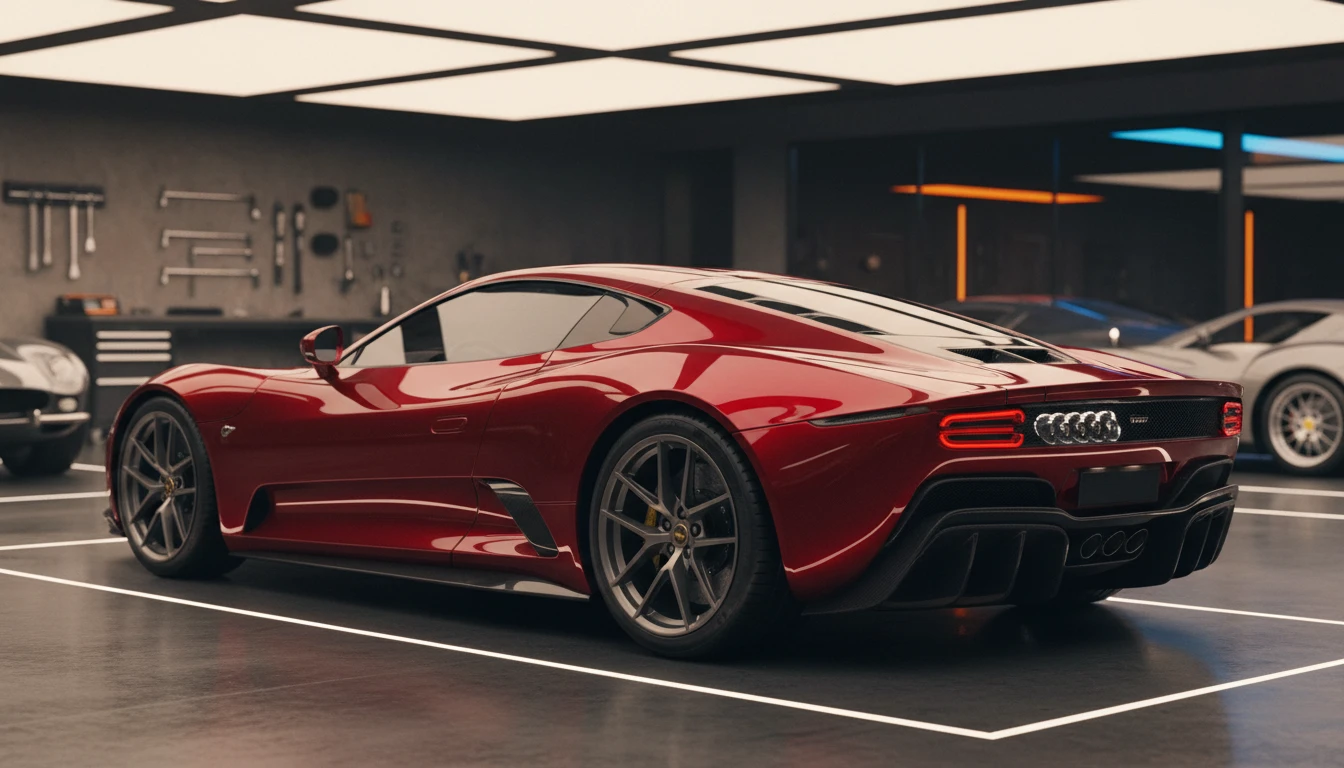
It’s crucial to distinguish these factory-sanctioned continuations from third-party replicas. An official continuation car, like the Bizzarrini 5300 GT Corsa Revival or Bentley's Speed Six series, is built using original blueprints and sometimes even by the descendants of the original artisans. They often carry a chassis number that follows on from the original production run, making them, in the eyes of the manufacturer, a genuine part of the car's history. While built to be as original as possible, some subtle modern improvements in materials or engineering are occasionally allowed to enhance reliability. For collectors, these cars offer the best of both worlds: the soul and style of a classic, with the pristine quality and reliability of a brand-new vehicle. They are not just cars, but driveable, investment-grade pieces of history, reborn in the 21st century.