




Beyond the Numbers on the Label
The nutrition facts panel, a staple on packaged foods, offers a simplified snapshot: calories, protein, fat, carbohydrates. While helpful for comparing processed products, this framework can be limiting when applied to whole foods with a rich history.
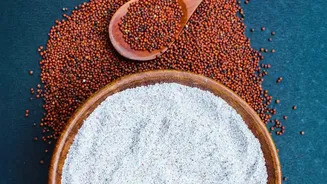
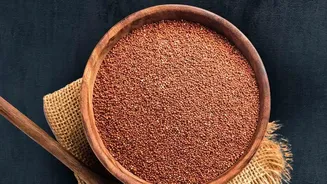
A basic label doesn't tell you about a grain's glycemic index, the quality of its fibre, or its antioxidant properties. For example, while ragi's protein content is noteworthy, its true standout feature is its exceptional calcium levels, which are crucial for bone health. Similarly, jowar is packed with polyphenols, antioxidants that help combat inflammation. These complex benefits are often lost when we reduce a food to a few basic numbers, ignoring the holistic value that traditional food wisdom has long understood.
The Agricultural and Environmental Advantage
Long before 'climate-smart' became a buzzword, traditional grains were the backbone of sustainable agriculture in India. Millets like bajra (pearl millet) and jowar (sorghum) are famously drought-resistant, requiring up to 70% less water than rice. They thrive in arid, less-fertile soils where other staple crops might fail, often without the need for heavy chemical fertilisers or pesticides. This resilience makes them a vital tool for ensuring food security in a changing climate. By cultivating these grains, farmers can maintain crop diversity, preserve soil health, and secure their livelihoods, especially in rain-fed agricultural regions. Choosing these grains is not just a dietary decision; it's a vote for a more sustainable and resilient food system.
A Taste of Heritage and Culture
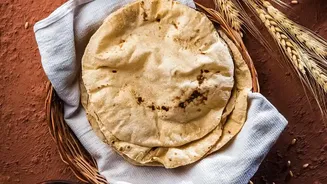
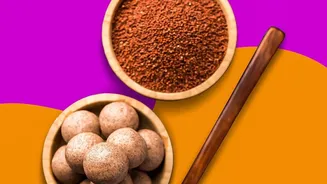
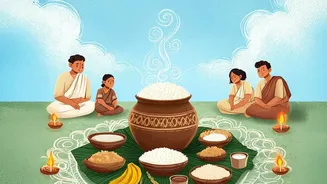
For centuries, traditional grains were deeply woven into the fabric of Indian life. They were not just food but symbols of regional identity, resilience, and cultural heritage. From ragi mudde in Karnataka to bajra roti in Rajasthan, these grains shaped local cuisines and were part of daily meals and festive rituals. The Green Revolution in the mid-20th century, which prioritised high-yield varieties of wheat and rice, pushed many of these millets into obscurity, often branding them as 'food for the poor'. Today, their revival is about more than nutrition; it's about reclaiming a piece of our culinary soul. These grains connect us to ancestral wisdom and practices passed down through generations.
Reclaiming the Modern Indian Plate
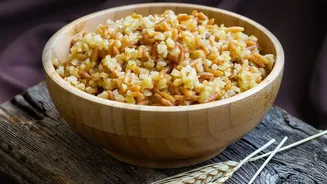
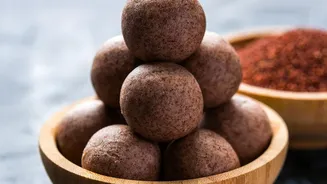
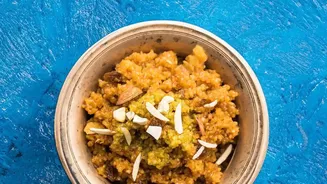
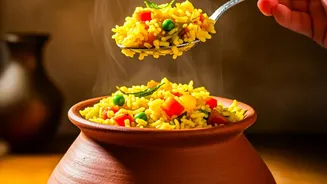
The resurgence of traditional grains is being led by a new generation of chefs, home cooks, and health-conscious consumers who recognise their immense value. Once relegated to rural kitchens, millets are now appearing in everything from gourmet salads and energy bars to modern takes on classic dishes like dosas and upma. Their unique, nutty flavours and varied textures offer a welcome change from the monotony of refined wheat and rice. Chefs are experimenting with jowar pancakes and ragi halwa, showcasing the versatility of these ancient ingredients in contemporary formats. This culinary renaissance proves that what is old can be new again, and that eating healthy doesn't mean sacrificing flavour or culinary creativity.