



The Psychology of the 'Ideal' Pantry
We often shop for the person we aspire to be—someone who cooks nutritious meals every night. This is what experts call the intention-action gap. We purchase ingredients for an ideal week, not our real one. Research shows that people often overestimate
their likelihood of cooking, especially when life gets busy. This leads to an “aspirational pantry” full of healthy items that go untouched. One study even found that people discard healthy food at higher rates because of an incorrect belief that it spoils faster than less healthy options, contributing to both food waste and abandoned health goals.
Make Healthy Ingredients Visible and Accessible
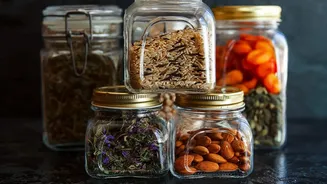
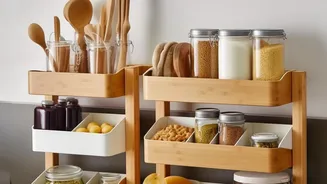
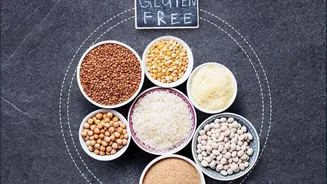
The old saying, “out of sight, out of mind,” is a major barrier to using what you have. When healthy staples are hidden in the back of a cabinet, you’re less likely to reach for them. Nutrition experts suggest organizing your pantry and fridge to make healthy choices the easiest choices. Keep items like whole grains, beans, and lentils in clear, airtight containers at eye-level. When you bring new groceries home, move older items to the front. This “first in, first out” method not only reduces waste but also keeps ingredients top of mind for your next meal.
Shift from Meal Prep to Ingredient Prep
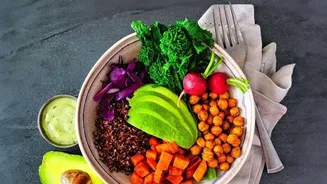
The idea of prepping five identical lunches can feel monotonous and lead to food fatigue. A more flexible and sustainable approach is “ingredient prep.” Instead of full meals, spend a little time preparing versatile components. Cook a large batch of a whole grain like quinoa or brown rice. Roast a tray of mixed vegetables. Make a simple vinaigrette. This strategy lowers the barrier to cooking on a busy night. With these prepped ingredients ready to go, you can quickly assemble a grain bowl, a hearty salad, or a stir-fry without starting from scratch.
Master a Few 'Base' Recipes
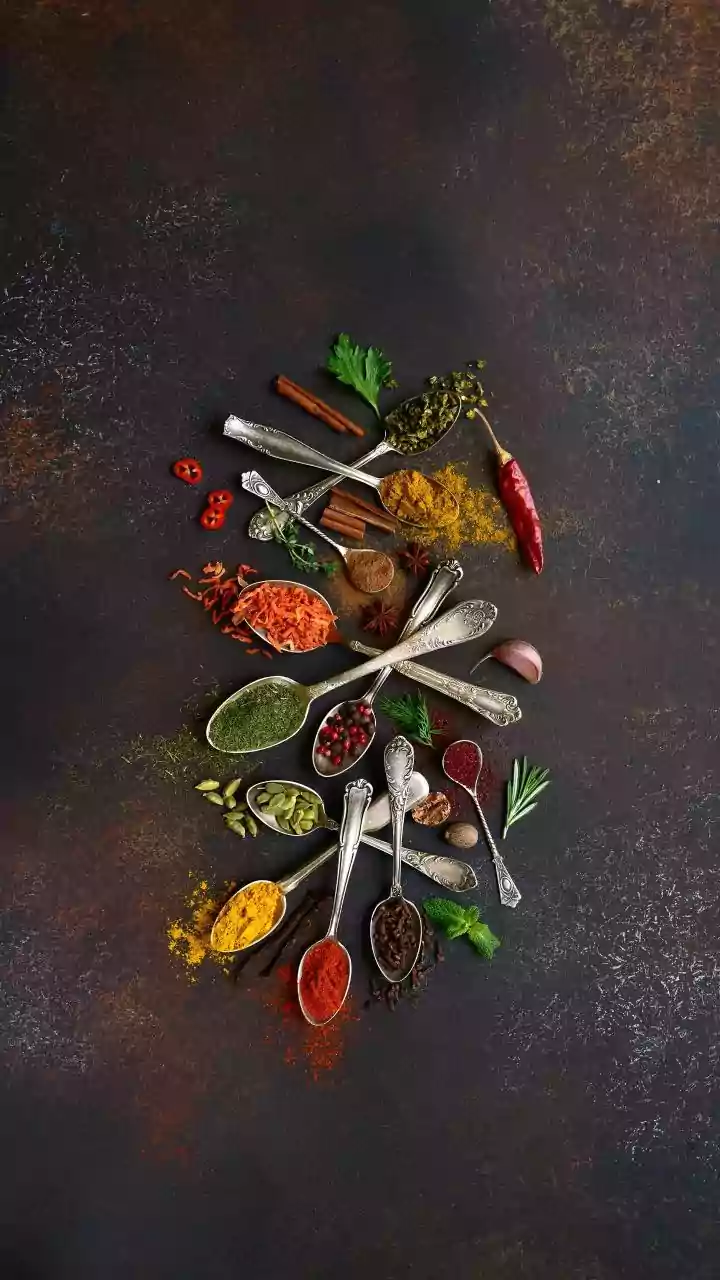
You don’t need hundreds of complex recipes to eat well. Dietitians recommend mastering a few simple, adaptable “base” meals that can incorporate a wide range of pantry staples. For example, a good soup base can be a home for leftover vegetables, canned beans, and a scoop of cooked grains. Learning how to make a simple pasta dish, a versatile curry, or a satisfying grain bowl allows you to get creative with what you have on hand, rather than feeling like you need specific ingredients for a specific recipe. Canned tomatoes, broth, and a good selection of spices are key flavor-building blocks for these kinds of meals.
Plan Realistically for Your Week
Effective meal planning isn’t about a rigid, unchangeable schedule; it’s about being honest about your time and energy levels. Before you shop, look at your calendar. If you know Wednesday is going to be a long day, plan for a 15-minute meal using your prepped ingredients or even planned leftovers. Starting small is key. Aim to cook just two or three nights a week at first. Having a rough plan reduces the last-minute stress that often leads to ordering takeout. Remember, the goal is consistency, not perfection. A plan that accounts for real life is one you're more likely to stick with.