




The Problem of Old Platforms
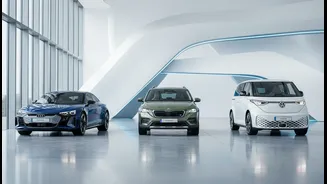
For many established car companies, the quickest way to get an electric vehicle (EV) to market is to take an existing petrol or diesel car platform and retrofit it with a battery and electric motors. While this seems efficient, it’s a strategy filled
with compromises. These converted platforms often result in EVs with awkward interior packaging, as the design was never meant to accommodate a large, flat battery in the floor. This can lead to a higher floor and reduced cabin space. Furthermore, the weight distribution and structural integrity are not optimised for an EV, which can negatively affect handling, safety, and overall refinement. Essentially, you get a vehicle that is neither a great petrol car nor a great electric one—it's a jack of all trades, but a master of none.
The Flexible Solution: MLA-Flex
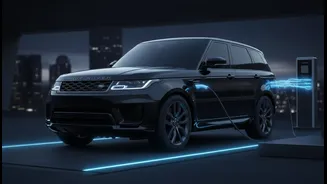
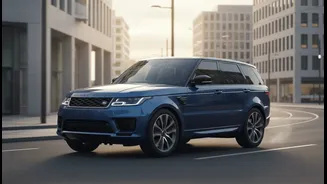
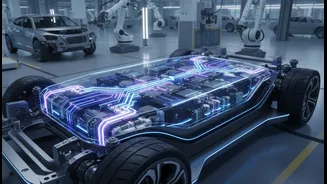
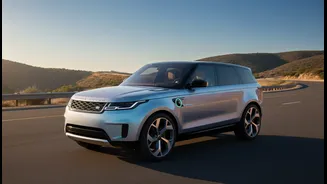
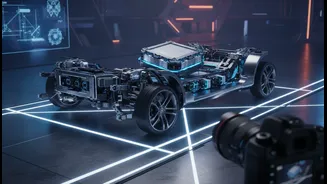
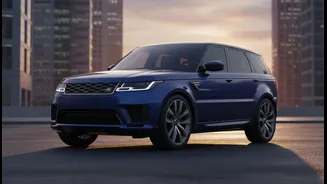
Land Rover's answer to this challenge is its advanced Modular Longitudinal Architecture, or MLA-Flex. Instead of being a pure internal combustion engine (ICE) platform or a dedicated EV-only one, MLA-Flex was designed from the ground up to be truly flexible. It was engineered from the start to accommodate petrol engines, plug-in hybrids (PHEVs), and fully electric (BEV) powertrains all on the same assembly line. This isn't just about manufacturing convenience; it's about ensuring that no matter the powertrain, the fundamental vehicle is uncompromised. The architecture uses a sophisticated mix of materials like steel and aluminium to create a body that is up to 50% stiffer than previous generations. This immense rigidity provides a perfect foundation for luxury, refinement, and off-road capability, regardless of what's powering the wheels.
No Compromise on Capability
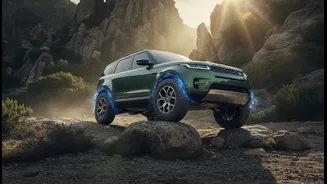
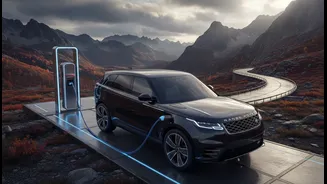
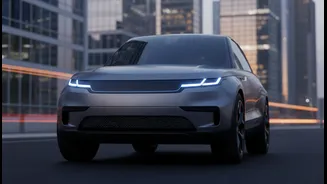
For Land Rover, certain brand traits are non-negotiable: supreme luxury, a serene cabin, and legendary all-terrain capability. A compromised platform would put all of that at risk. The MLA-Flex architecture ensures this doesn't happen. Its inherent stiffness is the starting point for a quiet, refined ride, reducing noise transmission by a claimed 24% even before features like active noise cancellation are added. For the upcoming Range Rover Electric, the platform was specifically designed to protect the battery pack during extreme off-road conditions, with a casing strong enough to support the vehicle's entire weight. It also enables the integration of advanced systems like all-wheel steering and Dynamic Response Pro, an active roll control system that keeps the large SUV stable and agile. The result is that the electric Range Rover is expected to have wading capabilities and performance that match or even exceed its V8-powered siblings.
A Strategic Advantage in a Shifting Market
This flexible approach gives JLR a significant strategic advantage. While some rivals have gone all-in on dedicated EV platforms, JLR can adapt to market demands in real time. If demand for EVs accelerates, they can increase production. If customers in certain regions still prefer hybrid models, they can build those on the same production line without needing to re-tool a separate factory. This ability to flex production between mild-hybrid, plug-in hybrid, and fully electric models helps insulate the company from the volatility of EV adoption rates and changing regulations. It allows Land Rover to continue delivering vehicles its customers want today, while being fully prepared for the electric future of tomorrow.