




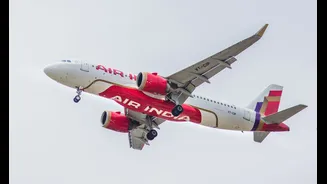
The Spark for the Conversation
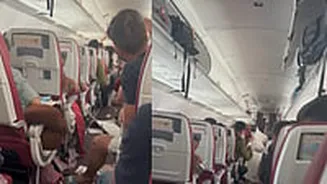
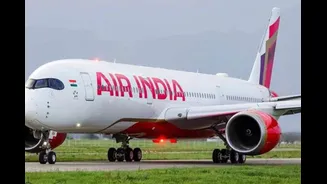
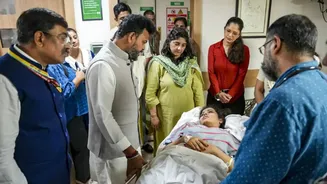
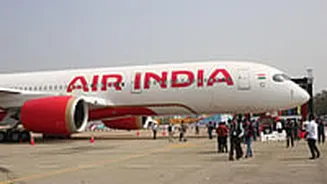
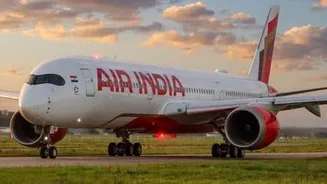
On August 4, 2026, passengers and crew aboard Air India flight AI2379 experienced a terrifying few seconds. While cruising at altitude, the Airbus A320 hit a pocket of severe turbulence, reportedly causing it to drop suddenly. The violent jolts resulted
in injuries to over a dozen passengers and crew members, with some requiring hospitalisation after the flight landed safely in Delhi. Eyewitness accounts described people and objects being thrown around the cabin, highlighting the very real danger of unexpected air movements. This event, now under investigation by the Directorate General of Civil Aviation (DGCA), serves as a crucial learning moment for every person who flies.
What Exactly Is Turbulence?
In simple terms, turbulence is irregular air motion. Think of it like waves or rough patches on a road, but in the air. These disturbances can be caused by several factors. Mechanical turbulence is created by friction between the air and obstacles like mountains or even large buildings. Convective or thermal turbulence occurs when warm air rises through cooler air, often happening on hot days and creating the conditions for thunderstorms. Pilots are highly trained to anticipate and avoid these weather-related systems using advanced forecasting and onboard radar. However, there is one type of turbulence that remains a significant challenge: Clear-Air Turbulence.
The Invisible Threat: Clear-Air Turbulence
Clear-Air Turbulence, or CAT, is the most insidious form because it is invisible to radar and can occur in cloudless, clear skies. It is most often found near jet streams—fast-flowing rivers of air circling the globe at high altitudes where commercial planes fly. When different air masses moving at vastly different speeds meet, it creates instability and vertical wind shear, which can jolt an aircraft without warning. Worryingly, scientific studies have shown that climate change is increasing the frequency and intensity of CAT. Research indicates that instances of severe CAT have already increased significantly over the past few decades, a trend that is expected to continue as global temperatures rise.
Your Single Most Effective Defence
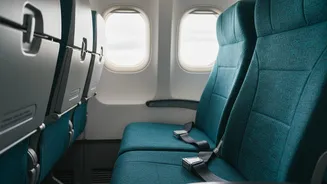
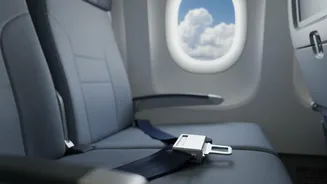
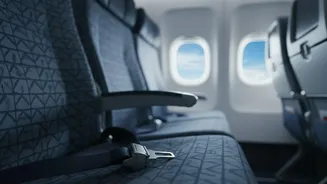
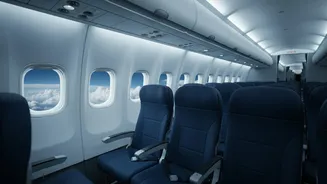
While aircraft are built to withstand even the most severe turbulence, the greatest risk is to the people inside. The leading cause of non-fatal injuries on commercial flights is turbulence, and the vast majority of these injuries happen to people who are not wearing their seatbelt. When a plane hits a sudden downdraft, unsecured passengers can be thrown from their seats with violent force, often hitting the ceiling or bulkheads. Aviation authorities like the FAA and safety experts are unanimous on this point: the most effective way to prevent injury is to keep your seatbelt fastened whenever you are seated, even if the seatbelt sign is off. As the recent Air India incident and countless others show, a few seconds of unexpected turbulence are all it takes to cause serious harm.
Practical Tips for a Safer Flight
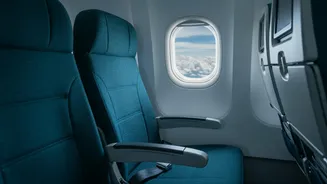
Beyond the golden rule of wearing your seatbelt, there are other small steps you can take. First, always pay attention to the safety briefing and follow crew instructions immediately. Ensure your carry-on luggage is securely stowed in the overhead bin or under the seat in front of you, as loose items can become dangerous projectiles. If you are a nervous flyer, choosing a seat over the wings may offer a slightly smoother ride, as this area is closer to the aircraft's centre of gravity. And when the seatbelt sign does come on, take it seriously; pilots often illuminate it based on reports from other aircraft or weather data that predict turbulence ahead.