




A New Sleuth in the Cosmos
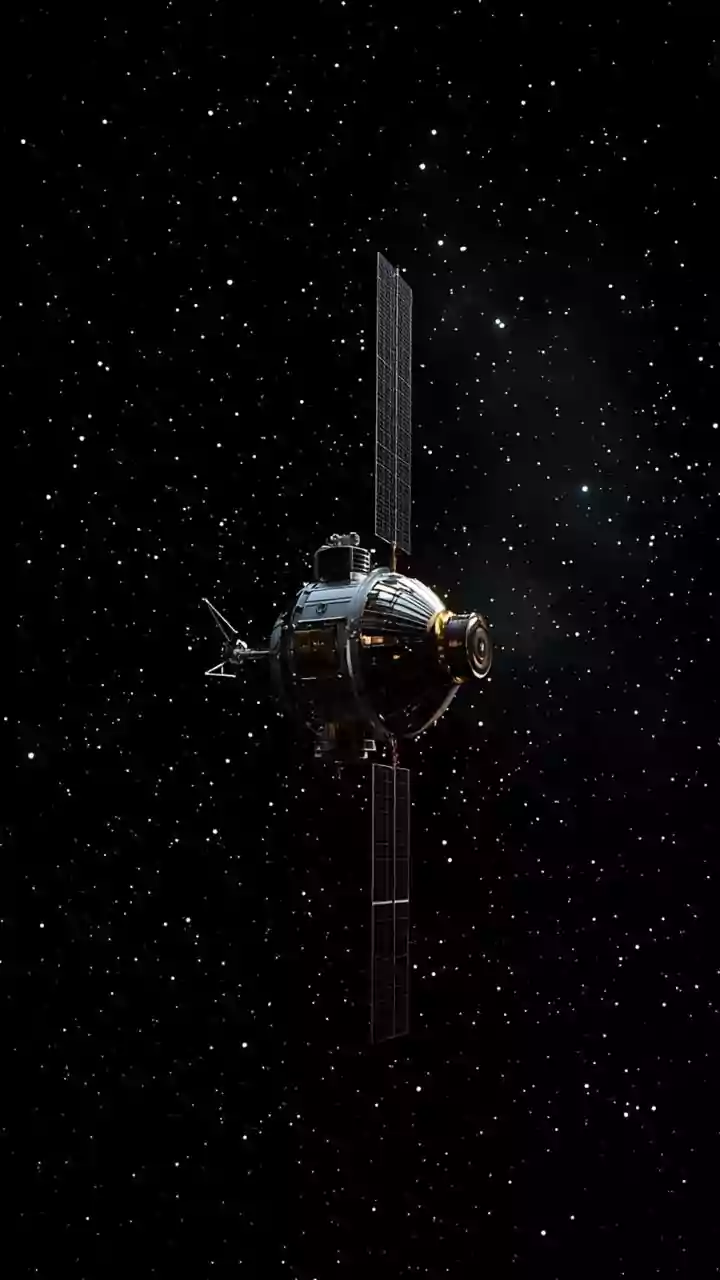
Meet Pandora, the latest addition to NASA's fleet of cosmic detectives. Launched as part of the agency's Astrophysics Pioneers program, Pandora is a SmallSat—a compact but mighty satellite with a very specific and crucial job. Its goal is not to find
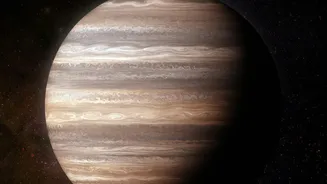
new planets, but to help us better understand the ones we have already discovered. Over its year-long primary mission, this small-scale observatory will turn its gaze towards at least 20 known exoplanets, ranging from rocky super-Earths to gas giants. By making long, detailed observations, Pandora aims to provide the key to unlocking the secrets hidden within their atmospheres. It operates from a low Earth orbit, giving it a unique vantage point to stare at its targets for extended periods.
The Problem of the Speckled Star
When scientists study an exoplanet's atmosphere, they often use the transit method. This involves watching a planet pass in front of its host star and analyzing the starlight that filters through the planet's thin atmospheric layer. The chemicals in the atmosphere absorb specific colours of light, leaving behind a chemical fingerprint that powerful telescopes like the James Webb Space Telescope (JWST) can read. But there’s a catch: stars are not perfect, steady lightbulbs. They have their own activity—dark starspots, bright patches called faculae, and massive flares. This stellar 'noise' can contaminate the light signal, sometimes mimicking the presence of an atmosphere or, worse, masking the true signals from the planet. It can lead scientists to believe they see water, for instance, when they are only seeing the effects of a volatile star.
Pandora's Elegant Solution
This is where Pandora’s genius lies. It was designed specifically to disentangle the planetary signal from the stellar noise. The satellite will stare at a star system for a long time—about 24 hours per visit—observing it before, during, and after a planet transits. Crucially, it observes simultaneously in two different light wavelengths: visible and near-infrared. The visible light observations help map the star's surface, identifying where the spots and bright patches are. The near-infrared detector—a spare part originally built for the JWST—captures the combined light from the star and the planet's atmosphere. By comparing these two datasets, scientists can create a model of the star's activity and subtract it, leaving behind the clean, uncontaminated signature of the planet's atmosphere.
A Key Partner for a Titan Telescope
Pandora is not designed to work alone; it is a vital collaborator for flagship missions like the JWST. While Webb is incredibly powerful, its time is in high demand, making it difficult to schedule the kind of long-duration observations needed to fully characterize a star's behaviour. Pandora fills this gap. As a lower-cost, dedicated mission, it can perform the painstaking work of creating a stable baseline of stellar activity for specific targets. According to mission scientists, combining Pandora's data with Webb's high-precision measurements will allow for a much cleaner and more confident interpretation of exoplanet atmospheres. It helps ensure that when JWST spots a potential biosignature on a distant world, we can be more certain that it's coming from the planet and not its host star.