




Why a Gentle Return Matters
During a fast, your digestive system slows down significantly. Your body, having shifted to using stored fat for energy, needs time to switch back to metabolising carbohydrates and producing the necessary digestive enzymes. Rushing this process by eating
a large, heavy meal can overwhelm your system, leading to uncomfortable bloating, stomach cramps, and indigestion. In cases of prolonged fasting, reintroducing food too quickly can even lead to a serious condition called refeeding syndrome, a dangerous shift in fluids and electrolytes. A gradual approach ensures your digestive tract can comfortably and safely resume its normal functions.
Your First Meal: Start Light and Hydrating
The first thing you consume after a fast should be gentle and hydrating. Water is essential to combat any dehydration that occurred. Traditional choices like dates are popular for a reason; they provide a quick source of energy and fibre without being too heavy. Soups, particularly clear broths or those with well-cooked vegetables and lentils, are an excellent choice. They provide nutrients, electrolytes, and hydration simultaneously. A fruit smoothie or a piece of high-water-content fruit like watermelon can also be a good way to gently reawaken your digestive system. The goal is to provide simple nourishment in small, easily digestible portions.
Gradually Introducing Complex Foods
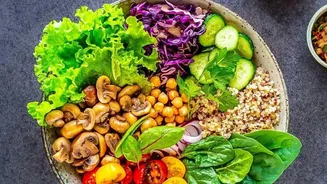
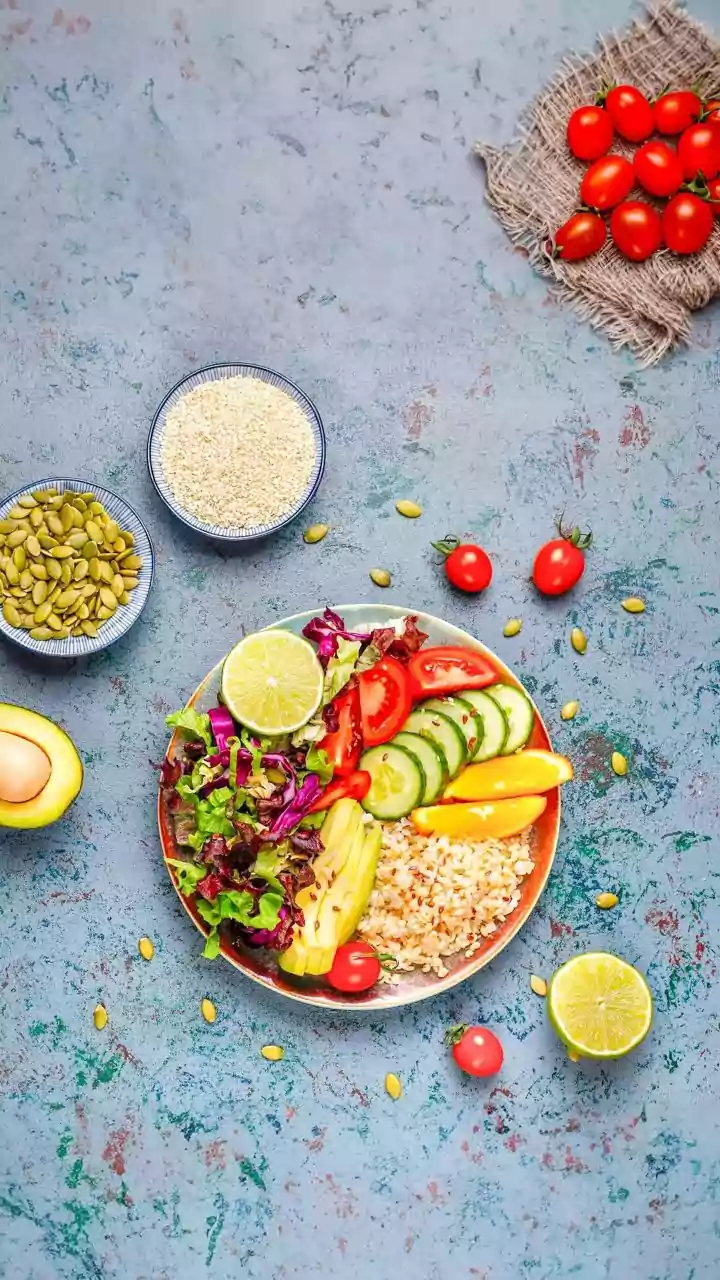
After a few hours or for your next small meal, you can start incorporating more complex foods. Focus on items that are easy to digest. Well-cooked vegetables like spinach, carrots, and zucchini are preferable to raw ones, which can be harsh on a resting gut. Introduce lean proteins such as baked or steamed fish, skinless chicken, or tofu. Healthy fats in small amounts, like a few slices of avocado or a drizzle of olive oil, can be added. For carbohydrates, opt for simple, low-fibre options first, such as white rice or plain toast, before moving on to whole grains. Fermented foods like plain yoghurt can also be beneficial, as they contain probiotics that support gut health.
Foods and Habits to Avoid Initially
Just as important as what to eat is what to avoid. For the first 24 hours after a fast, it is best to steer clear of anything that could shock your system. This includes highly processed foods, anything deep-fried or excessively oily, and rich, fatty meats. Very spicy foods can irritate the stomach lining, and overly sugary items like sweets, pastries, and sweetened juices can cause sharp spikes in blood sugar. It’s also wise to avoid large portions. Instead of one big meal, consider having several small, snack-sized meals as you transition back to your normal eating pattern. Chewing slowly and deliberately can also aid digestion and prevent discomfort.
Listen to Your Body’s Cues
Ultimately, everyone's body is different, and your response to reintroducing food will be unique. Pay close attention to how you feel after eating. If you experience any bloating or discomfort, revert to simpler, lighter foods for your next meal. The length of your fast also dictates how slowly you should reintroduce food; a 24-hour fast requires a less cautious approach than a multi-day fast. This period is an excellent opportunity to practice mindful eating, paying attention to hunger and fullness signals. Don't feel pressured to return to your 'normal' portion sizes immediately. The key is a slow, respectful, and patient transition that honours your body's needs.