



The Timeless Appeal of Sheera
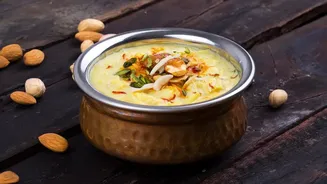
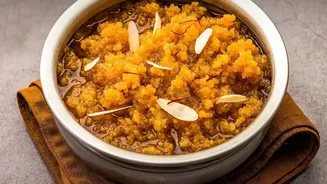
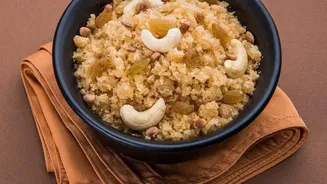
For generations, sheera, or suji ka halwa, has been a staple comfort food in Indian households. It’s the go-to sweet for celebrations, a warm offering during prayers, and a quick fix for sudden dessert cravings. Made by roasting semolina (suji) in ghee
and then simmering it with sugar and milk or water, its simple, soul-satisfying taste is cherished by all ages. While delicious, traditional sheera made with refined semolina and sugar is often seen as an occasional indulgence. But what if this classic comfort could be reimagined into a healthier, everyday treat?
Enter Ragi: The Nutrient-Dense Upgrade
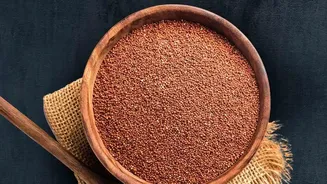
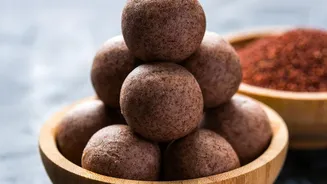
This is where finger millet, or ragi, steps in. Once considered a humble grain, ragi is now celebrated as a superfood for its incredible nutritional profile. It is naturally gluten-free and packed with essential nutrients. It boasts significantly more calcium than most other cereals, making it excellent for bone health. Furthermore, ragi is a great source of iron, protein, and dietary fibre. This high fibre content aids in digestion, promotes a feeling of fullness to help with weight management, and helps in regulating blood sugar levels due to its low glycemic index. By swapping refined suji with wholesome ragi flour, you’re not just changing an ingredient; you're transforming the entire nutritional landscape of the dish.
Why Chocolate Pairs Perfectly
The idea of adding chocolate to sheera might sound unconventional, but it’s a match that works beautifully. Ragi has a distinct earthy, slightly nutty flavour that pairs wonderfully with the deep, rich notes of cocoa or dark chocolate. This combination turns a simple sweet into a more complex and decadent dessert. Beyond just taste, using unsweetened cocoa powder or high-quality dark chocolate can add antioxidants to your sheera. The result is a dessert that feels both indulgent and nourishing, satisfying cravings without relying solely on sugar for flavour.
Making it 'Everyday' Friendly
To truly make Ragi Chocolate Sheera an everyday dessert, a few simple tweaks are key. Roasting the ragi flour in a moderate amount of ghee is crucial to remove its raw taste and bring out a nutty aroma. Instead of refined white sugar, consider natural sweeteners like jaggery powder or finely chopped dates. Jaggery not only adds sweetness but also contributes its own mineral content and a lovely caramel flavour that complements both ragi and chocolate. The cooking process is similar to traditional sheera: after roasting the ragi and cocoa powder, slowly add hot milk or water while stirring continuously to prevent lumps. The mixture thickens quickly as ragi absorbs liquid. Once cooked, sweeteners like jaggery should be mixed in off the heat to preserve their nutrients.
Texture, Taste, and Tips
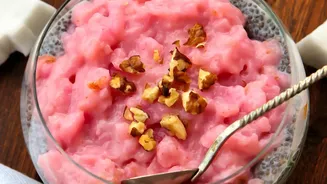
Achieving the perfect texture is key. Ragi flour can sometimes result in a denser halwa compared to the fluffy texture of suji. To get a smoother consistency, ensure you whisk the flour well with the liquid. Some recipes recommend using ragi rava (semolina) instead of fine flour for a grainier, more traditional sheera texture. Don’t be afraid to add a pinch of cardamom powder for fragrance or a handful of chopped nuts like almonds and walnuts for a bit of crunch and healthy fats. The final dish is a warm, velvety, and deeply satisfying dessert with a beautiful dark brown hue, proving that healthy eating can be incredibly delicious.