




The Zero-Gravity Gauntlet
Before a recipe can even be considered, it must pass the first, most fundamental test: can it be eaten in microgravity? In space, simple physics becomes a chef's worst enemy. Crumbs don't fall to the floor; they float, posing a serious risk to sensitive
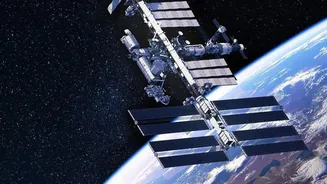
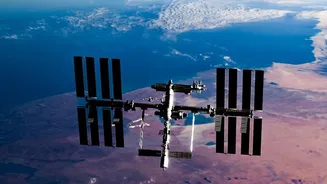
equipment and astronauts' eyes. This is why bread is off the menu, replaced by tortillas, which have been a staple since 1985 because they produce fewer rogue particles. Similarly, salt and pepper aren't shaken but are suspended in liquid to prevent grains from dispersing through the cabin. All food must be meticulously packaged and easy to handle, requiring minimal cleanup. It must also be either ready-to-eat or simple to prepare by just adding water or heating, as there are no refrigerators or conventional ovens on the International Space Station (ISS).
A Change in Taste
One of the most peculiar challenges of space dining is that an astronaut's sense of taste and smell changes. In microgravity, bodily fluids shift upwards, causing congestion similar to a head cold. This fluid shift can dull the olfactory senses, which are crucial for perceiving flavour. As a result, many astronauts report that food tastes bland and often crave spicier, more intensely flavoured meals to compensate. Food scientists must therefore create recipes that are robust enough to cut through this sensory fog. Condiments like hot sauce are incredibly popular in orbit. Beyond the initial fluid shift, the confined environment and psychological stress of long-duration missions can also alter how food is perceived, making flavour and texture vital for morale.
Nutrition as a Countermeasure
In space, food is not just fuel; it's medicine. Astronauts face significant physiological challenges, including bone density loss and muscle atrophy. A carefully calibrated diet is a primary countermeasure to these effects. Each astronaut has a personalized nutritional plan, typically consuming between 1,900 and 3,200 calories per day to support the rigorous two-hour daily exercise regimen designed to combat physical deconditioning. Nutrient intake is strictly monitored. For example, sodium is reduced to help mitigate bone loss, while Vitamin D intake is increased because the lack of sun exposure prevents the body from producing it naturally. Iron must also be limited, as the body produces fewer red blood cells in space. Every meal must be a nutritional powerhouse, designed to keep astronauts healthy in an environment that is actively working against their bodies.
The Ultimate Shelf Life
With resupply missions being infrequent and future trips to Mars lasting years, space food must have an incredibly long shelf life without refrigeration. To achieve this, foods are processed using several methods. Thermostabilization involves heating food to a high temperature to kill microorganisms, similar to canning, allowing it to be stored at room temperature. Freeze-drying, or lyophilization, removes water from frozen food in a vacuum, making it lightweight and preserving its structure and flavour, ready to be rehydrated in orbit. Other items, like certain meats, are irradiated to ensure they are safe to eat. These preservation techniques must maintain not only the safety and nutritional value of the food but also its palatability, a major challenge over a multi-year mission.
The Human Element: Taste-Testing
A recipe isn't flight-ready until it gets the astronaut's seal of approval. The final, and perhaps most important, trial is the human taste test. At facilities like NASA's Johnson Space Center Space Food Systems Laboratory, dishes are developed and then presented to a sensory panel. Astronauts sample a wide array of available meals roughly eight to nine months before their mission, rating each one. These ratings are then used by dietitians to create personalized menus. This feedback is critical because food does more than just nourish the body; it supports psychological well-being. Shared meals are a vital social ritual, and having access to enjoyable, varied food helps combat menu fatigue and maintain morale on long, isolated missions. For this reason, astronauts are even allowed to select special "bonus" meals, often dishes that remind them of home.