





Shinjuku Gyoen National Garden, Tokyo
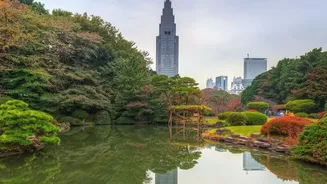
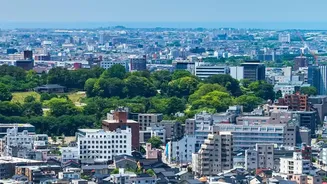
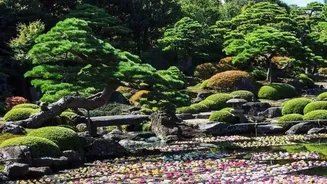
A short walk from the world's busiest railway station, Shinjuku Gyoen is a masterpiece of landscape design and a testament to the Meiji era. Once the private estate of a feudal lord, it was later converted into an imperial garden before opening to the public
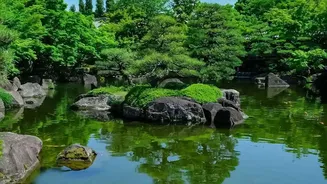
after World War II. Covering 144 acres, the park masterfully blends three distinct styles. You can wander through a traditional Japanese garden with its serene ponds and teahouses, relax on the expansive lawns of an English landscape garden, or admire the symmetrical beauty of a French formal garden, complete with rose beds. Despite being surrounded by the Shinjuku skyline, the moment you step inside, the city's noise fades away, replaced by birdsong and the rustle of leaves, making it a true urban oasis.
Meiji Jingu, Tokyo
Adjacent to the youthful energy of Harajuku and Shibuya lies a dense, spiritual forest that feels a world away. Meiji Jingu is a Shinto shrine dedicated to Emperor Meiji and Empress Shoken, who led Japan's modernization. What makes this place extraordinary is its forest, which was not a natural occurrence but a man-made creation. In 1920, around 100,000 trees were donated from all over Japan and planted by volunteers to create this sacred space. The forest, now covering 70 hectares, was designed to be self-sustaining, with no human intervention. Fallen trees and leaves are left to return to the soil, creating a thriving, natural ecosystem in the heart of the city. Walking the wide gravel path to the main shrine buildings is a purifying experience, allowing you to forget you are in one of the world's largest metropolises.
Hamarikyu Gardens, Tokyo
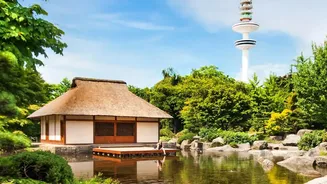
Juxtaposed against the modern skyscrapers of the Shiodome district, Hamarikyu Gardens offers a glimpse into the world of Edo-period (1603-1867) feudal lords. This former estate of the Tokugawa shogunate is unique among Tokyo's gardens because its central pond, Shioiri-no-ike, is tidal. The water level rises and falls with the tides of Tokyo Bay, creating a constantly changing landscape. The garden was originally a falconry ground for the shogun before being landscaped into a strolling garden. Visitors can cross a 118-meter wooden bridge to a charming teahouse on an island in the pond, where you can sip matcha and enjoy the serene view. Though damaged in the past, the garden was meticulously restored and opened to the public in 1946, preserving its historic atmosphere.
Arashiyama Bamboo Grove, Kyoto
While Kyoto is known for its countless temples and traditional gardens, few places capture the imagination quite like the Arashiyama Bamboo Grove. Located in the western outskirts of the city, walking through this natural wonder is a surreal experience. The towering stalks of bamboo seem to stretch endlessly upwards, creating a green, sun-dappled canopy. As the wind rustles through the grove, it creates a distinctive, calming sound that is as much a part of the experience as the visual spectacle. The main path can get busy, but venturing into the smaller, less-travelled trails can reward you with moments of quiet contemplation. It’s a place that transports you, making you feel enveloped by nature in a way that is both dramatic and deeply peaceful.