




An Uncanny Resemblance
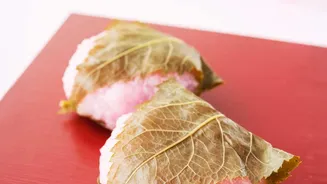
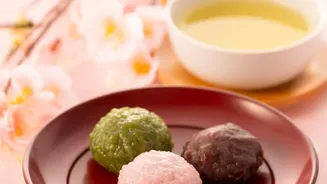
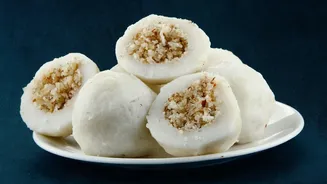
Consider the Indian modak and the Japanese mochi or daifuku. Both are soft, chewy dumplings, elegant in their simplicity. The modak, particularly the steamed variety known as ukadiche modak, features a delicate, pleated outer shell made of rice flour.
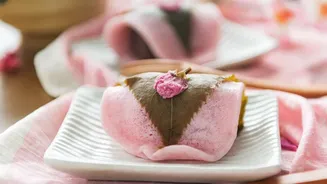
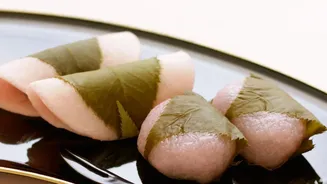
Inside, it holds a sweet filling of grated coconut and jaggery. Thousands of miles away, Japanese daifuku presents a similar experience: a soft, pounded rice flour casing enveloping a sweet filling, most famously anko (sweet red bean paste). The teardrop-like, pleated form of a hand-shaped modak and the smooth, round shape of a daifuku, though not identical, clearly belong to the same family of culinary design: a soft, steamed rice dough encasing a sweet treasure.
A Foundation of Rice Flour
The fundamental connection lies in a single, versatile ingredient: glutinous rice flour. Across Asia, for millennia, cultures have harnessed the unique properties of this flour. When mixed with water and steamed or boiled, it creates a wonderfully elastic and pliable dough. Both Japanese artisans making mochi and Indian home cooks preparing modak independently perfected this technique. The process involves creating a soft, workable dough that can be shaped by hand and steamed to perfection. This shared foundation is not a result of direct cultural exchange in the modern sense but rather a testament to convergent culinary evolution, where similar agricultural resources led to similar gastronomic innovations.
A Tale of Two Fillings
While the forms are strikingly similar, the fillings tell a story of local tastes and ingredients. The classic Indian modak filling is a warm, aromatic mixture of freshly grated coconut and unrefined jaggery, often spiced with cardamom. This reflects the tropical produce abundant in many parts of India. In contrast, traditional Japanese daifuku is filled with anko, a sweet paste of adzuki red beans that is central to Japanese confectionery (wagashi). Modern variations abound in both cultures, with Japan incorporating strawberries and cream into daifuku, and India creating versions of modak with chocolate, nuts, and even paneer. The shared form acts as a canvas, painted with the unique flavors of each region.
The Deeper Meaning of a Dumpling
Here is where the comparison becomes truly meaningful. In both Japan and India, these desserts are far more than just a sweet treat; they are deeply woven into the cultural and spiritual fabric. Modak is famously known as the favorite sweet of the Hindu deity Lord Ganesha and is the principal offering during the Ganesh Chaturthi festival. An offering of 21 modaks is traditional, symbolizing knowledge, bliss, and prosperity. Similarly, mochi is indispensable to Japanese New Year (Oshogatsu) celebrations. It symbolizes good fortune, longevity, and family togetherness. The communal act of pounding rice to make mochi (mochitsuki) reinforces community bonds. In both cases, a simple rice flour dumpling is elevated to a sacred symbol of blessing, gratitude, and hope.