




The Case for Carrots: A Beta-Carotene Giant
Carrots owe their vibrant orange hue and health reputation to beta-carotene, a powerful antioxidant. Your body cleverly converts beta-carotene into vitamin A, a nutrient essential for good vision, a robust immune system, and healthy cell growth. This
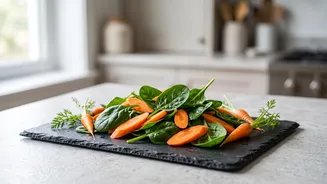
is why you’ve always heard that carrots are good for your eyes. Vitamin A helps protect the surface of the eye and is vital for preventing age-related macular degeneration. A single medium carrot can provide a significant portion of your daily vitamin A requirement. Beyond beta-carotene, carrots are also a good source of fiber, which aids digestion and helps manage cholesterol levels, as well as vitamin K1 and potassium.
Spinach's Counter-Punch: More Than Just Iron
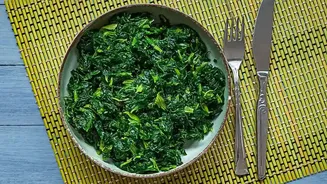
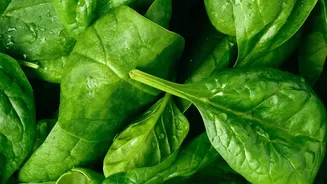
While Popeye championed spinach for its strength-building iron, this leafy green has a much more diverse nutritional arsenal. Spinach is an excellent source of numerous vitamins and minerals, including vitamin K, vitamin C, folic acid, iron, and calcium. It also contains beta-carotene, meaning it contributes to your vitamin A intake as well. But spinach’s real secret weapon lies in two other carotenoids: lutein and zeaxanthin. These antioxidants are concentrated in the macula of the human eye, where they act like internal sunglasses, filtering harmful blue light and protecting against conditions like cataracts and macular degeneration. Gram for gram, spinach contains significantly more lutein and zeaxanthin than carrots do.
The Absorption Question: Raw vs. Cooked
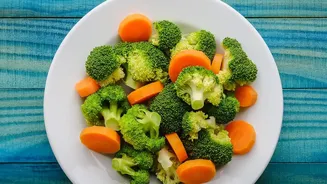
This is where the story gets interesting. Just because a food contains a nutrient doesn’t mean your body can fully use it. The bioavailability of beta-carotene in raw carrots is limited because it's trapped within tough cell walls. Cooking carrots, through methods like steaming or roasting, helps break down these walls, making the beta-carotene much more available for your body to absorb. Studies show that processing or cooking can dramatically increase the amount of beta-carotene your body gets from carrots. Spinach presents a different challenge. It contains a compound called oxalic acid, which can bind to minerals like iron and calcium, slightly hindering their absorption. The good news is that cooking spinach helps reduce these oxalates, making its calcium and iron more accessible to your body. So, for both vegetables, applying some heat can unlock greater nutritional benefits.
Bioavailability and the Fat Factor
Beta-carotene is a fat-soluble compound. This means your body needs some dietary fat to absorb it effectively. Eating raw carrots alone is good, but eating them with a source of healthy fat—like in a salad with an oil-based dressing, or dipping them in hummus—can significantly boost how much beta-carotene you absorb. The same principle applies to cooked carrots and spinach. A little bit of olive oil drizzled over your steamed carrots or sautéed spinach not only enhances the flavour but also helps your body make the most of their vitamin A potential. Research shows that the body's uptake of beta-carotene from carrots is generally more efficient than from spinach, likely due to the different ways the nutrients are stored in the plant's cells.
The Final Verdict: A Tale of Two Champions
So, which is better? The answer is neither. Carrots and spinach are both nutritional champions that excel in different areas. Carrots are the clear winner for providing a massive, highly convertible source of beta-carotene, especially when cooked. If maximizing your vitamin A intake is the goal, cooked carrots are an incredibly efficient choice. However, spinach delivers a powerful combination of beta-carotene plus a heavy dose of lutein and zeaxanthin, which are crucial for long-term eye health in ways that go beyond vitamin A. Spinach also offers more iron, calcium, and vitamin K. Ultimately, this isn't a competition with one winner. The different nutrient profiles of carrots and spinach are complementary. One provides a concentrated blast of a key vitamin precursor, while the other offers a broader suite of protective compounds and minerals.