




From Niche to Necessity
Just a few years ago, protein-centric products were confined to specialty health stores, primarily targeting athletes and serious gym-goers. Today, they occupy prime shelf space in regular grocery stores and are a booming category on quick-commerce apps.
This shift reflects a profound change in the Indian consumer mindset. Where carbohydrates once dominated the plate, there's a growing awareness that a balanced diet requires adequate protein. This nutritional awakening is not just about building muscle; it’s linked to broader wellness goals like weight management, satiety, and supporting a healthy lifestyle in a busy world. While many Indians have historically faced a 'protein gap' in their diets, the current trend shows a conscious effort to bridge it, moving protein from an afterthought to a dietary priority.
The Post-Pandemic Health Awakening
The COVID-19 pandemic acted as a massive catalyst, accelerating the focus on health and immunity. As consumers sought ways to bolster their defences, the link between a strong immune system and good nutrition became crystal clear. Protein, essential for overall health, naturally became a focal point. This shift wasn't just about preventing illness but about pursuing a proactive, healthier lifestyle. The conversation moved from curative healthcare to preventive wellness, with food being the first line of defence. This heightened health consciousness has made consumers more willing to spend on products that offer tangible nutritional benefits, creating the perfect environment for the high-protein market to flourish.
Rise of the Fitness Influencer
The explosion of social media and the ascent of the fitness influencer have played a pivotal role in democratizing nutritional knowledge. Platforms like Instagram and YouTube are filled with content creators sharing workout routines, recipes, and dietary advice, often emphasizing the importance of protein intake. This has normalized products like whey protein and protein bars for a much wider audience, taking them out of the exclusive domain of professional athletes. While some influencers promote scientifically sound advice, others can create confusion, but their collective impact has been to make 'protein' a buzzword, driving curiosity and encouraging consumers to scrutinize labels and seek out high-protein options.
A Market Ready to Deliver
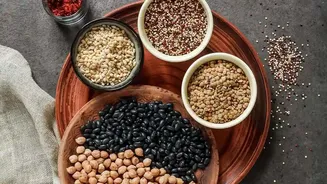
Sensing this shift, both established FMCG giants and agile startups have flooded the market with innovative products. The result is a dazzling array of choices that seamlessly integrate protein into the Indian diet. We now have high-protein versions of traditional staples like atta and dosa batter, alongside modern formats like protein bars, chips, yogurt, and shakes. Brands are also catering to diverse dietary needs, with a growing number of plant-based protein products derived from peas, soy, and other legumes. Quick-commerce platforms have further fuelled this growth, making it incredibly convenient for consumers to access thousands of protein-related products with just a few taps, with some platforms seeing a 150% surge in orders.
Beyond the Urban Gym-Goer
What makes this trend truly mainstream is its expansion beyond the stereotypical user. The demand is no longer just from young, male, urban gym enthusiasts. It's now coming from families looking for healthier breakfast options, vegetarians seeking to ensure adequate intake, and even older adults focused on maintaining muscle mass. Significantly, the fastest growth in demand is now seen in Tier II and Tier III cities, with places like Nagpur, Jaipur, and Guwahati showing a massive uptick in protein consumption. This indicates a nationwide shift in dietary habits, driven by rising disposable incomes and a pervasive desire for a healthier life across demographics.