




The High-Octane Path: Skipping for Agility
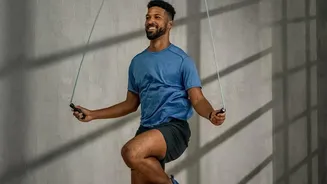
Skipping, or jumping rope, is a cornerstone of training for athletes in sports that demand quick feet and explosive power, like boxing and football. The reason is simple: it’s a form of plyometric exercise. Skipping drills train your muscles to exert
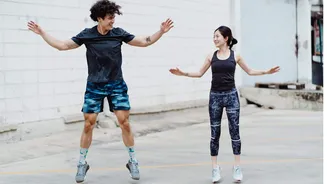
maximum force in short intervals, enhancing foot speed, coordination, and power. Drills like A-skips and B-skips, which involve exaggerated high-knee actions and skipping rhythms, directly reinforce the mechanics of efficient, powerful movement. This repetitive, fast-paced motion builds neuromuscular patterns that allow your body to react and change direction more quickly. Essentially, skipping teaches your feet to be light, fast, and responsive, which is the very definition of agility in a dynamic, high-speed context. Ten minutes of skipping can be as efficient as a 30-minute run, making it a powerful tool for boosting cardiovascular health and stamina.
The Grounded Approach: Yoga for Agility
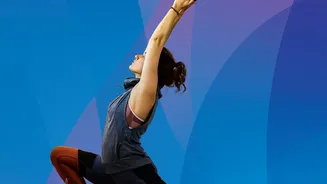
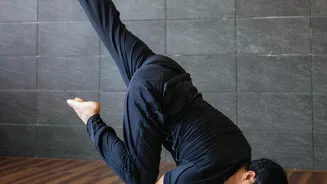
While skipping focuses on explosive power, yoga builds agility from the ground up through balance, flexibility, and body awareness. A yoga flow might not look like a traditional agility drill, but its benefits are profound. Poses like Warrior II, Tree Pose, and Bird Dog challenge your stability and enhance proprioception—your body's internal sense of its position in space. This awareness is crucial for controlled, precise movements. By moving through sequences, you strengthen the small stabilising muscles around your joints and core that are essential for maintaining balance during dynamic activities. This improved stability and flexibility allows for a greater range of motion, enabling you to move more freely and efficiently while reducing the risk of strains. Yoga's emphasis on breath control also trains the mind to stay calm and focused, a mental component of agility that is often overlooked.
High-Impact vs. Low-Impact: The Safety Question
The primary difference between these two activities lies in their impact on your joints. High-impact exercises like skipping involve repeated pounding forces through the knees, hips, and ankles. For many, this is manageable and helps build bone density. However, for individuals with previous injuries, joint pain, or conditions like arthritis, this repetitive stress can lead to discomfort or further damage. Poor form or overtraining can also increase injury risk even in healthy individuals. In contrast, low-impact exercise like yoga is designed to be gentle on the joints. It avoids jumping and hard landings, making it a safer and more sustainable option for a wider range of people. While you can still get injured in yoga from overstretching or improper alignment, the overall risk profile for joint damage is significantly lower, making it a valuable tool for long-term, pain-free movement.
The Verdict: Which Is Right for You?
The best choice depends entirely on your personal goals, fitness level, and health history. If your goal is to develop explosive speed and power for a specific sport, and you have healthy joints, high-impact skipping drills are an incredibly effective tool. They directly mimic the demands of running and rapid directional changes. However, if your focus is on functional, everyday agility, improving balance, and enhancing body control with minimal risk to your joints, a low-impact yoga practice is an excellent choice. It builds a strong, stable foundation for all movement. For those recovering from an injury or new to exercise, starting with yoga or other low-impact activities is a safer bet before progressing to more intense workouts.
Better Together: A Hybrid Strategy
Ultimately, skipping and yoga are not mutually exclusive; they complement each other perfectly. Combining the two can create a well-rounded fitness routine that builds a truly resilient and agile body. You can use skipping for your high-intensity cardio sessions to build power and endurance, and use yoga on your recovery days to improve flexibility, aid muscle repair, and enhance balance. This hybrid approach leverages the strengths of both disciplines: the explosive power from skipping and the foundational stability and injury prevention from yoga. By integrating both, you get the cardiovascular benefits of high-impact work while mitigating the risks through the restorative, strengthening, and balancing effects of a yoga practice. This balanced approach may be the safest and most effective way to build lasting, functional agility.