



Mumbai: The On-the-Go Vada Pav
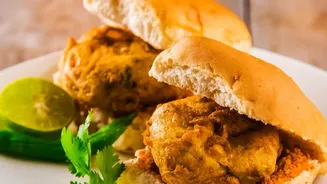
In the bustling heart of Maharashtra, the vada is less a standalone item and more the soul of a city-defining sandwich: the Vada Pav. Here, the Batata Vada—a fluffy, spiced potato dumpling coated in a gram flour batter and fried to a crisp golden-brown—is
the star. Its story began in the 1960s, reportedly created by Ashok Vaidya outside Dadar station as a cheap, portable meal for the city's mill workers. The serving tradition is a masterclass in efficiency and flavour. A soft, unsweetened bread roll, the pav, is sliced open and slathered with chutneys. Typically, this includes a fiery dry garlic chutney, known as 'shengdana chutney', and a vibrant green chili chutney. The hot vada is pressed inside, often accompanied by a fried green chili on the side for those seeking an extra kick. This isn't a sit-down meal; it’s the fuel for a city that never stops, an affordable and satisfying bite that embodies the resilient spirit of Mumbai.
Chennai: The Classic Medu Vada Tiffin
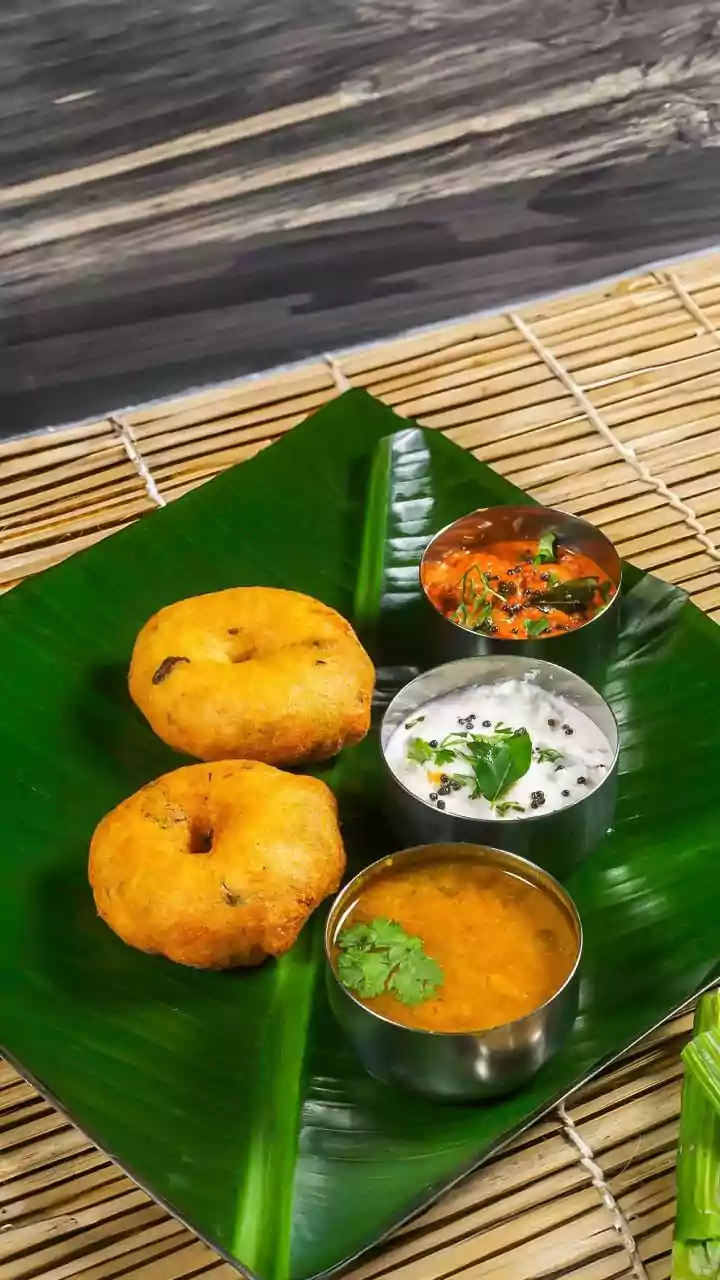
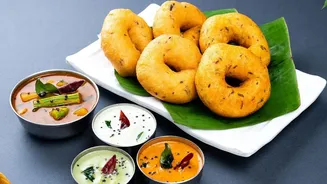
Travel south to Chennai, and the vada transforms completely. Here, the Medu Vada reigns supreme. Made from a meticulously ground and aerated batter of urad dal (black lentils), this vada is distinct for its donut shape, ensuring a perfectly crispy exterior and a pillowy, soft interior. In Tamil Nadu, the Medu Vada, also called Medhu Vadai, is not a rushed street snack but a cherished part of a traditional sit-down breakfast known as 'tiffin'. The classic serving style involves a platter where the vadas are accompanied by a bowl of hot, steaming sambar (a lentil and vegetable stew) and a side of fresh coconut chutney. Often, the vadas are served dunked directly into the sambar, absorbing its tangy, spiced flavour. This combination creates a delightful contrast of textures and temperatures—the crisp vada against the soft, soupy lentils, a perfect start to the day often rounded out with a strong filter coffee.
Delhi: The Deceptive Ram Ladoo Chaat
In North India, particularly on the streets of Delhi, you'll find a vada that cleverly disguises itself with a misleading name: Ram Ladoo. Despite its name, this is not a sweet 'ladoo' but a savoury fritter made from a batter of moong dal (split green gram) and sometimes chana dal (split chickpeas). These small, golden, bite-sized pakoras are a beloved street food, especially during the winter months. The serving tradition here is to transform the humble vada into a flavour-packed chaat. A plate of warm Ram Ladoos is generously topped with a heap of tangy grated radish (mooli), which is a non-negotiable, signature ingredient. It's then drizzled with a spicy green mint-coriander chutney and a sweet-sour tamarind chutney, and finished with a sprinkle of chaat masala. This combination of soft fritters, crunchy radish, and zesty chutneys makes for a complex burst of flavours and textures in every bite, a true representation of Delhi's vibrant street food culture.
Bengaluru-Mysuru: The Crispy Maddur Vada
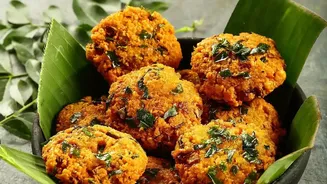
On the highway and train routes connecting Bengaluru and Mysuru, another unique vada makes its appearance: the Maddur Vada. Named after the town of Maddur in Mandya district, this vada's origin story is one of happy accident, reportedly created at the Maddur railway station in the early 20th century when a vendor in a hurry flattened pakora dough to cook it faster for an arriving train. Unlike its counterparts, the Maddur Vada is not spherical or doughnut-shaped but a flat, disc-like patty. It's made from a mixture of rice flour, semolina (rava), and all-purpose flour, combined with onions, curry leaves, and spices. This composition gives it a distinctively crispy, almost biscuit-like texture on the outside, while remaining soft inside. Traditionally, it’s a popular travel snack, served hot with coconut chutney, which is often made thick for easy packing. It’s also a favourite tea-time snack, perfectly paired with a hot cup of coffee.