




A Month of Spiritual Focus
Sawan, also known as Shravan, is one of the most sacred months in the Hindu calendar, dedicated to the worship of Lord Shiva. Devotees often engage in fasting, prayer, and meditation to purify the mind and body. This period of spiritual discipline is rooted
in the belief that Lord Shiva is most receptive to prayers during this time. The goal is to cultivate a state of inner peace, and dietary choices play a crucial role in achieving this. The entire lifestyle, including food, is geared towards fostering a calm and meditative state, making the exclusion of certain foods a key part of the observance for many.
The Ayurvedic Food Philosophy
To understand the exclusion of onion and garlic, one must look to Ayurveda, which classifies food into three categories or 'gunas' based on their effect on the body and mind: Sattva, Rajas, and Tamas. Sattvic foods are considered pure, light, and calming, promoting clarity and peace. Rajasic foods are stimulating and can lead to restlessness and agitation. Tamasic foods are believed to be heavy, dulling, and can induce lethargy or mental fog. During a period of intense spiritual focus like Sawan, the goal is to consume a primarily Sattvic diet to support mental and spiritual purity.
Why Onion and Garlic Are Avoided
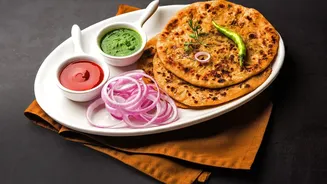
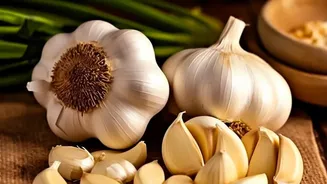
According to Ayurvedic principles, onion and garlic are classified as Rajasic and Tamasic foods. While they are recognised for their medicinal properties, their consumption is believed to stimulate passion, aggression, and restlessness, which can distract the mind during meditation and prayer. Their pungent nature is thought to generate heat in the body and disrupt the mental calm that devotees seek to achieve during Sawan. Due to these qualities, they are considered unfit for a diet aimed at spiritual purity and are often excluded from meals offered to deities as prasad.
A Seasonal and Scientific Perspective
Beyond the spiritual and Ayurvedic reasons, there is a practical, seasonal logic to this tradition. Sawan coincides with the monsoon season, a time when, according to Ayurveda, the digestive fire ('agni') is naturally weaker. Onion and garlic are considered heavy and can be difficult to digest, potentially leading to issues like bloating or acidity when metabolism is slower. The humid weather also increases the risk of foodborne illnesses, and historically, simplifying the diet was a way to promote gut health and avoid sickness during a vulnerable season. Therefore, avoiding these pungent ingredients is also seen as a way to keep the body light and healthy.
The Sattvic Sawan Plate
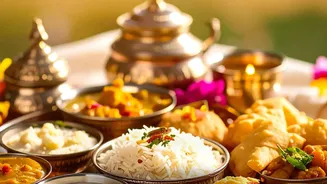
So, what replaces the ubiquitous onion and garlic? The focus shifts entirely to Sattvic foods. A typical Sawan diet includes fresh fruits, simple vegetables like gourds and potatoes, dairy products like milk and curd (though some avoid curd too), and grains or millets. Fasting staples such as sabudana (tapioca pearls), kuttu (buckwheat flour), and rajgira (amaranth) become popular. Spices are used sparingly, with an emphasis on mild flavours. Meals are prepared fresh, often with sendha namak (rock salt) instead of regular salt. This creates a diet that is not only spiritually compliant but also light, nourishing, and easy on the digestive system during the monsoon.