



The Heart of the Dish: The Dal
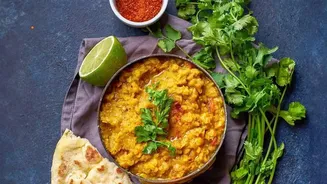
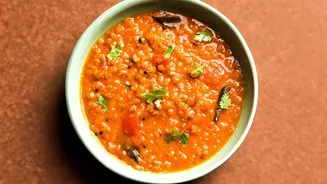
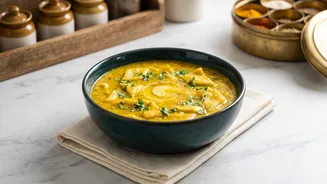
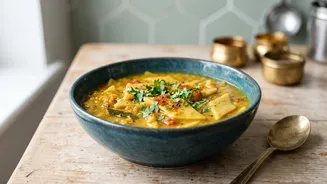
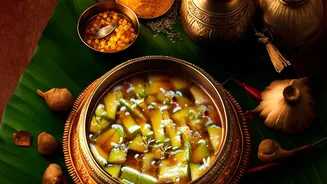
At its core, Dal Dhokli is built upon a foundation of dal, specifically the sweet, sour, and spicy lentil preparation that is a hallmark of Gujarati cuisine. Typically, toor dal (split pigeon peas) is used, pressure-cooked until soft and creamy. This
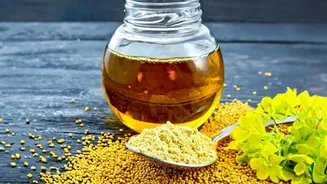
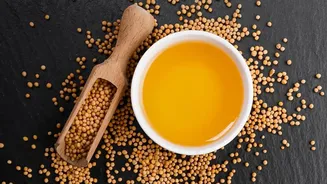
lentil base is then transformed with a tempering (tadka) of whole spices like mustard seeds, cumin seeds, and sometimes fenugreek seeds, which are sizzled in hot oil or ghee to release their aromatic oils. The flavour profile is a delicate dance of tastes. Jaggery or sugar provides a subtle sweetness, while tamarind or kokum imparts a balancing tanginess. Ginger, green chillies, and curry leaves add layers of fresh, zesty warmth. Peanuts are often added during the cooking process, lending a delightful textural crunch to the finished dish. This complex and fragrant dal is more than just a base; it's a flavourful broth that the dhokli will absorb, making every spoonful rich and satisfying.
The Soulful Dumpling: The Dhokli
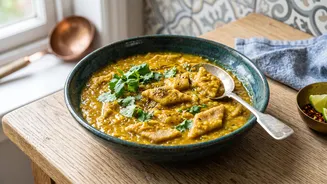
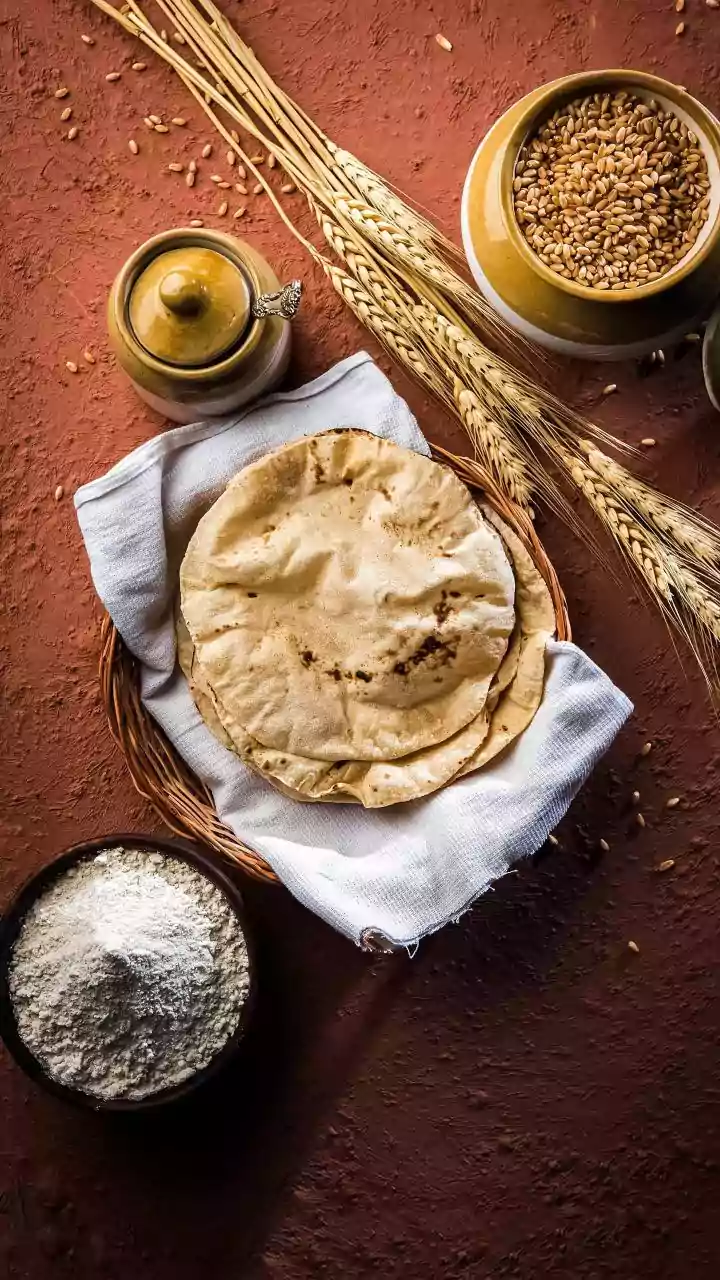
The 'dhokli' are the dumplings that give the dish its name and unique character. They are not heavy or dense; rather, they are thin, tender, and pasta-like. The dough is simple, primarily made from whole wheat flour (atta), the same used for chapatis. Often, a small amount of besan (gram flour) is added, which helps to keep the dhokli soft and prevents them from becoming rubbery. This flour mixture is seasoned with spices like turmeric, red chilli powder, and ajwain (carom seeds), which aids digestion and adds a distinctive aroma. After being kneaded into a pliable dough, it's rolled out thinly, much like a roti, and then cut into diamond or square shapes. These raw dough pieces are then dropped directly into the simmering dal to cook.
A Symphony in a Single Pot
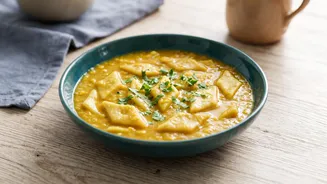
The magic of Dal Dhokli happens when these two components come together. The dhokli pieces are added one by one to the boiling dal, ensuring they don't stick together. As they simmer, they cook through, absorbing the complex flavours of the sweet and sour lentil curry. In turn, the starch from the wheat flour dumplings gently thickens the dal, creating a luscious, stew-like consistency that is deeply comforting. This process transforms two separate elements into a single, cohesive dish where the dal and dhokli are inseparable in taste and texture. It’s a complete meal in itself, providing protein from the lentils and carbohydrates from the wheat dumplings, making it both nutritious and incredibly filling.
A Dish of Many Faces
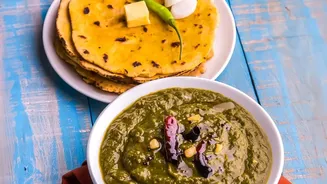
While the Gujarati version is the most famous, Dal Dhokli has regional cousins and family variations. The Rajasthani style, for instance, is typically spicier and uses a thicker dal, forgoing some of the sweetness found in the Gujarati preparation. In Maharashtra, a similar dish is known as 'Varan Phal' or 'Chakolya'. Within Gujarat itself, family recipes abound. Some add vegetables like green beans or peas, while others incorporate fresh fenugreek leaves (methi) into the dhokli dough. The dish also has a history rooted in practicality; it was traditionally a clever way to use leftover dal from a previous meal, transforming it into a new and exciting dinner with the simple addition of fresh dough.