




Beyond Sushi and Ramen
Japanese cuisine is experiencing a surge in popularity across India, but the exploration is moving past the well-known staples of sushi and ramen. There's a whole universe of Japanese snacks, many of which are naturally vegetarian and align beautifully
with Indian culinary sensibilities. While some packaged savoury snacks can contain hidden fish-based seasonings, making them at home puts you in complete control. The focus is on simple, plant-based ingredients like rice, vegetables, and beans, offering a fresh yet familiar experience for the Indian palate.
The Comfort of Onigiri
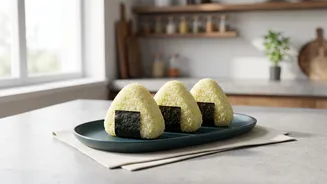
Onigiri, or Japanese rice balls, are a perfect example of this delicious cultural exchange. Essentially a portable, savoury snack, they are incredibly versatile and can be thought of as a Japanese counterpart to a stuffed paratha or a savoury kozhukattai. Instead of traditional fillings like salted salmon, Indian home cooks can use spicy potato fillings, sauteed paneer, or even leftover sabzi. To make them, you simply take cooked short-grain sticky rice, flatten it in your damp, salted hands, place a spoonful of filling in the centre, and mould it into a triangle or ball. It’s a simple, satisfying snack that's perfect for lunchboxes or a quick bite.
Okonomiyaki: The Savoury Pancake
Okonomiyaki translates to "grilled as you like it," and this customisable savoury pancake is a fantastic addition to any kitchen. The base is typically a simple batter of flour and water, mixed with heaps of shredded cabbage and other vegetables like carrots and spring onions. While traditional recipes might use pork or seafood, a vegetarian version is incredibly easy and delicious. You can cook it on a griddle or pan until golden brown and crispy. For an Indian twist, you can top it with spicy mayonnaise or even a mint-coriander chutney instead of the classic sauces. Some recipes even incorporate paneer and Indian spices directly into the batter.
Mochi: A Sweet, Chewy Delight
On the sweeter side is mochi, a chewy cake made from glutinous rice flour. Its texture is delightfully soft and stretchy, reminiscent of some Indian sweets. While traditional mochi often has a red bean paste filling, the possibilities are endless. In an Indian context, you can fill mochi with a sweet coconut and jaggery mixture, similar to that used in modaks, or even a thick mango pulp for a seasonal treat. Some Indian-inspired recipes even infuse the mochi dough itself with flavours like cardamom and rosewater. This makes for a unique dessert that combines a beloved Japanese texture with classic Indian flavours.
Simple Flavour Swaps for the Indian Palate
Adapting these snacks is all about smart ingredient swaps and flavour hacks. Many of the core Japanese seasonings like soy sauce, rice vinegar, and miso paste are increasingly available in Indian supermarkets and can be used to create authentic tastes. However, don't be afraid to experiment. A sprinkle of chaat masala on edamame, a dash of ginger-garlic paste in a tofu filling for onigiri, or using finely chopped coriander as a garnish can instantly make these Japanese snacks feel right at home. The fusion of Japanese techniques with the bold spices of India creates a truly exciting and modern culinary experience.