





The International Energy Agency (IEA) has sounded the alarm on the future of global energy. A mix of intense geopolitical friction and new supply chain vulnerabilities is casting a long shadow over the world's energy trade and its recovery.
The Core of the Warning
Speaking at
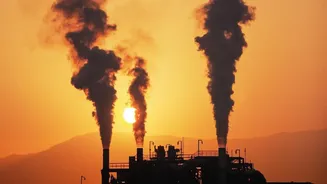
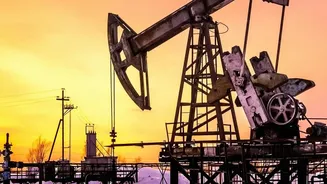
Singapore International Energy Week in late October 2026, IEA Executive Director Fatih Birol delivered a sobering message: global energy markets are unlikely to return to their pre-conflict stability anytime soon. He stated that in his professional life, he has never seen geopolitics dominate the energy sector in such a profound way. The primary driver for this instability is the ongoing conflict involving Iran, which has severely disrupted oil and gas supplies, tightened markets, and pushed crude oil prices to multi-month highs, approaching $120 a barrel. Birol warned that there is no credible pathway for markets to revert to their previous state in 2027, urging governments and businesses to prioritise energy security above all else.
Two Sides of a Supply Chain Problem
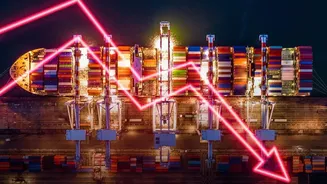
The IEA's warning addresses two distinct but interconnected challenges. The first is the immediate disruption to fossil fuel trade. The conflict has tightened a market that was expected to have a surplus in 2026. This has led to soaring fuel prices and restricted product availability, with the IEA's October 2026 Oil Market Report forecasting a significant drop in global oil demand as a direct result. The second, more structural problem, concerns the supply chain for clean energy. Birol highlighted that the transition to green energy is creating its own vulnerabilities, as the production of technologies like solar panels, wind turbines, and batteries is highly concentrated in a small number of countries, namely China. This concentration poses a new kind of energy security risk, especially for rapidly growing regions in Southeast Asia that are heavily reliant on these imports.
The Investment Dilemma
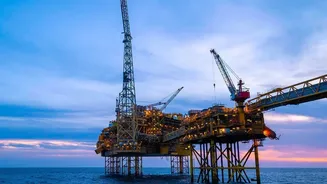
Underpinning the supply crisis is a complex investment picture. For years, the IEA has tracked a significant shift in capital flows. A 2025 report noted that investment in clean energy had risen dramatically, while upstream oil and gas spending had fallen by 35% between 2015 and 2025. While this shift is necessary for long-term climate goals, the IEA has also cautioned that underinvestment in existing oil and gas fields could jeopardize supply stability during the transition. The agency's World Energy Investment 2026 report projects total energy investment will hit a record $3.4 trillion in 2026, with about $2.2 trillion going to clean energy. However, the current geopolitical volatility is forcing a renewed focus on energy security, which may include not only renewables and nuclear but also extending the life of some fossil fuel assets to prevent dangerous shortfalls.
What This Means for India
As a major importer of both fossil fuels and capital, India is particularly exposed to these global trends. Elevated crude oil prices directly threaten the country's efforts to manage inflation and maintain macroeconomic stability. India remains one of the world's most import-dependent major economies, and the high cost of energy can strain its trade deficit and deter foreign investment. The geopolitical uncertainty is also forcing a rethink of procurement strategies among Indian refiners. On the other hand, the crisis accelerates the economic case for India's ambitious domestic energy transition. The country is already a global leader in expanding renewable capacity and is projected to account for a third of global energy demand growth through 2050. The volatility in global fossil fuel markets strengthens the strategic imperative behind initiatives like 'Make in India' to build domestic supply chains for solar, wind, and green hydrogen, enhancing energy security by reducing import reliance.