









A Closer Look at the May Numbers
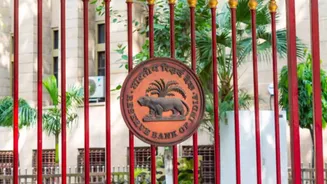
Data released by the Reserve Bank of India (RBI) confirms a significant uptick in corporate fundraising from abroad. In May 2026, Indian firms filed proposals to raise over $4.7 billion through External Commercial Borrowings (ECBs). This represents a nearly
26% increase from the $3.77 billion raised in April, highlighting a renewed appetite for foreign capital after a brief dip. The entirety of these proposals came through the automatic route, meaning they fit within the RBI's established framework and did not require special, case-by-case approval. This demonstrates a mature and confident approach by corporations leveraging pre-approved channels to access global finance efficiently.
The Allure of Foreign Capital
Several factors are driving Indian companies to look beyond domestic banks and financial institutions for their capital needs. Global capital markets often offer a deeper pool of funds, allowing for larger-scale borrowing that may be difficult to secure onshore. This is particularly crucial for companies undertaking massive infrastructure projects or significant capacity expansions. Furthermore, borrowing from international markets can sometimes come with more competitive interest rates and longer repayment tenures, improving the financial viability of long-term projects. Accessing funds in foreign currencies can also be a natural hedge for companies that have significant import requirements or overseas expenditures, reducing their exposure to currency fluctuations. This strategic financial management is a hallmark of globally integrated corporations.
Key Players and Landmark Deals
The May surge was not a broad, market-wide phenomenon but was largely driven by a few major players, primarily in the public sector. The Indian Railway Finance Corporation (IRFC) led the charge, filing for a massive $1.11 billion loan, primarily for its on-lending activities. Following closely was the power utility NTPC, which sought $750 million to fund construction and infrastructure development. Other significant proposals included REC Ltd. raising $300 million to refinance existing foreign debt and Kisetsu Saison Finance filing to raise nearly $500 million for its own on-lending operations. These deals underscore a strategic focus on infrastructure, development, and sophisticated balance sheet management among India's corporate giants.
Navigating Risks and Regulations
While the benefits are clear, relying on overseas capital is not without its risks. The most significant is currency risk; if the Indian Rupee depreciates against the dollar or other foreign currencies, the cost of servicing and repaying the debt in Rupee terms increases. Companies must employ sophisticated hedging strategies to mitigate this exposure. Moreover, the global financial environment is subject to its own volatility. Changes in interest rates by central banks like the U.S. Federal Reserve can impact the cost and availability of capital worldwide. Indian regulators, led by the RBI, keep a close watch on these flows to manage the country's external debt position and ensure financial stability, creating a structured but sometimes challenging regulatory landscape for borrowers.
What This Means for the Indian Economy
This trend of looking abroad for capital is a double-edged sword for the Indian economy. On one hand, it is a sign of the increasing maturity and global ambition of India Inc. It shows that Indian companies are confident enough to compete for capital on the world stage and are trusted by international lenders. This influx of foreign capital also supports large-scale domestic projects, which can boost infrastructure and create jobs. On the other hand, it may also point to potential limitations or a lack of depth in domestic capital markets to fund such mega-projects. A sustained reliance on external debt could also increase the economy's vulnerability to global shocks. However, for now, the trend is viewed as a positive indicator of corporate India's growth aspirations and its deepening integration with the global financial system.