



A Discovery Years in the Making
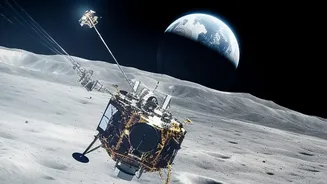
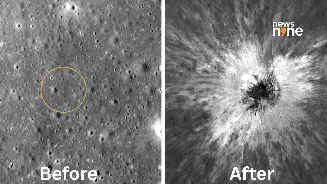
The discovery was a moment of serendipity and sharp-eyed science. While performing a routine data check, Robert Wagner, an image-processing specialist working with LRO data, noticed a bright, unusual spot that hadn't been there before. By meticulously
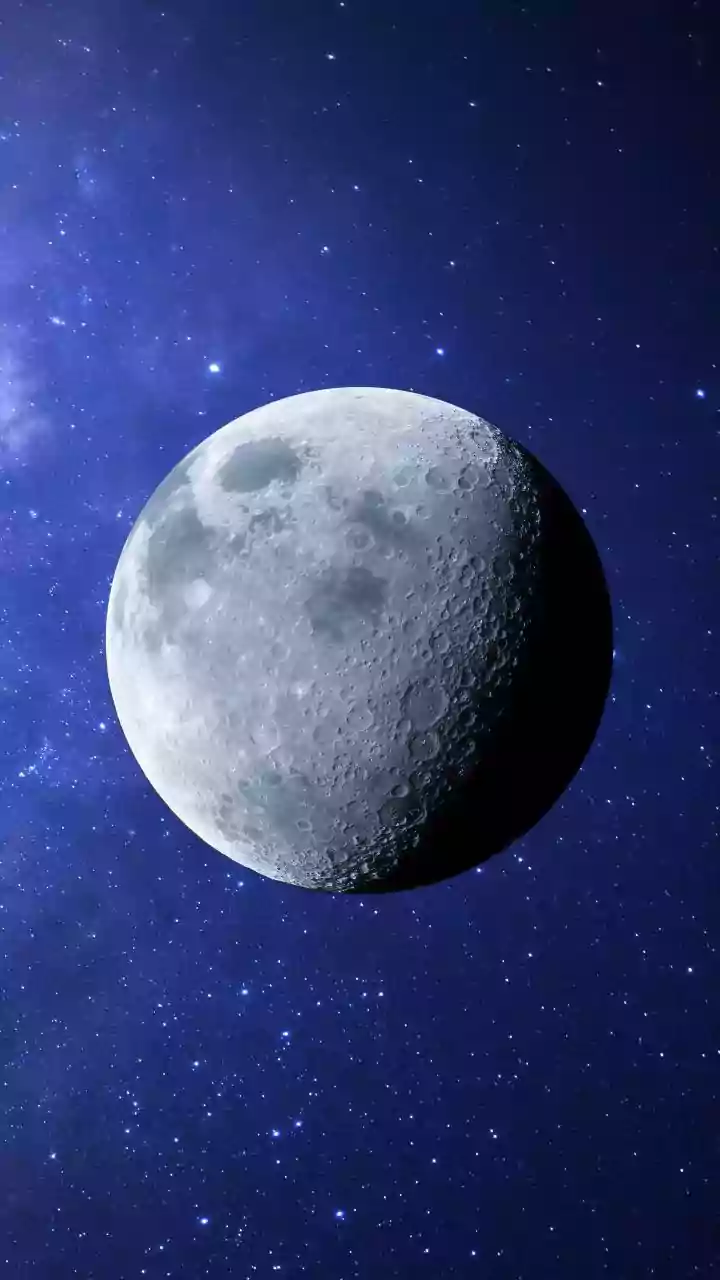
comparing 'before and after' images taken by the orbiter, the team confirmed their suspicions: a significant impact had occurred sometime between April and May 2024. The find was announced in the journal Science Advances and reveals a crater roughly 728 feet (222 metres) across and 141 feet (43 metres) deep. Christened the 'McGetchin crater' after pioneering lunar scientist Tom McGetchin, it is the largest newly formed impact crater ever identified by the LRO mission, which has been mapping our Moon since 2009.
The Cosmic Bullet
What could deliver such a powerful blow? Scientists estimate the crater was carved out by an asteroid or comet fragment the size of a three- to six-story building. Unlike Earth, the Moon has no thick atmosphere to burn up or break apart incoming projectiles. This means that space rocks that would disintegrate in our skies can strike the lunar surface directly, acting as a cosmic time capsule of solar system activity. While the Moon is constantly bombarded, most impacts are from microscopic particles or small rocks that create craters too small to be seen from orbit. An impact of this magnitude is a true rarity; statistical models suggest an event of this scale happens only about once every century, or even longer.
More Than Just a Hole
The significance of the McGetchin crater extends far beyond its impressive size. The impact was so forceful it churned up the lunar surface for more than 100 kilometres around the site. Follow-up observations using LRO's thermal instrument revealed another surprise: a 7-kilometre-wide 'cold spot' surrounding the crater. At night, this area is about 16 degrees Fahrenheit cooler than its surroundings. Scientists believe the impact's shockwave 'fluffed up' the top layer of lunar soil, or regolith, making it less dense and less able to hold onto heat. This phenomenon is like vigorous gardening on a planetary scale, and it shows that a single impact can physically alter the lunar surface over a much wider area than just the crater itself.
Why This 'Once-in-a-Century' Event Matters
Discovering a fresh crater of this size is a scientific goldmine. It provides a pristine, real-time laboratory for studying the physics of impact events, a fundamental process that has shaped every planet and moon in our solar system. For nations with lunar ambitions, including India's Chandrayaan program and NASA's Artemis missions, the discovery is a crucial and timely reminder of the hazards of the lunar environment. The data helps refine models of impact frequency and risk to future astronauts and habitats. Material ejected from impacts can travel at immense speeds, posing a threat to assets on the surface. Understanding these risks is essential for designing safe, long-term human outposts on the Moon. The discovery also reinforces just how active and dynamic the Moon is, challenging the old notion of a completely static, unchanging world.