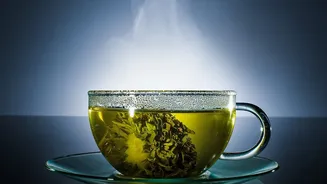







The Daily Ritual Under the Microscope
From the bustling streets of Mumbai to quiet Himalayan villages, the ‘cutting chai’ or a full mug of steaming tea is an integral part of Indian life. It punctuates our workdays, fuels conversations, and offers solace. We often associate the pleasure of tea with
its heat, especially on a rainy day or a cool morning. The steamier, the better, many believe. However, a growing body of scientific evidence suggests that the very heat we find so comforting might be a double-edged sword. It’s not the tea itself—be it black, green, or masala—that’s the issue, but the scalding temperature at which it is often consumed. This realisation is prompting a closer look at a cherished daily habit, shifting the focus from what's in the cup to how hot it is.
What the Science Says About 'Very Hot'
The conversation around hot drinks and health gained significant global attention when the World Health Organization's International Agency for Research on Cancer (IARC) weighed in. After reviewing numerous studies, the IARC classified drinking very hot beverages—defined as those above 65°C (149°F)—as "probably carcinogenic to humans". This puts them in the same risk category as things like red meat and emissions from wood smoke. The key finding was that the risk is not linked to the tea or coffee itself, but to the temperature. Studies conducted in regions where drinking extremely hot tea is common found a clear link between the temperature of the beverage and the risk of esophageal cancer. Essentially, it's a matter of physics and biology: repeatedly exposing delicate tissues to scalding temperatures can cause damage.
Understanding Thermal Injury to the Esophagus
So, what actually happens inside your body when you sip a drink that's too hot? The liquid travels down your esophagus, the tube connecting your throat to your stomach. When beverages are over 65°C, they can cause what is known as thermal injury—essentially, a burn on the inside. This isn't a one-time problem but a cumulative one. Repeatedly scalding the cells lining the esophagus causes chronic inflammation. Over time, this constant cycle of injury and repair can lead to cellular changes, which may increase the risk of developing a specific type of cancer called esophageal squamous cell carcinoma. While other factors like smoking and alcohol consumption can significantly amplify this risk, studies show that hot beverage temperature is an independent risk factor. The symptoms of this low-grade damage aren't always obvious until it's too late, making this a silent threat.
Finding the Safe and Sweet Spot
The good news is that protecting your health doesn't mean giving up your beloved tea. It just means giving it a few minutes to cool down. Experts suggest a simple rule of thumb: if a drink is hot enough to burn your hand, it's too hot to drink. The ideal drinking temperature is one that feels comfortably warm, not scalding. Studies suggest an optimal temperature for enjoyment and safety is around 57-60°C. This small adjustment makes a huge difference. You can achieve this by simply waiting 5-7 minutes after pouring boiling water before you start sipping. Another easy trick is to add a small amount of cold milk or water, which instantly brings the temperature down to a safer level. This isn't about drinking lukewarm tea, but rather avoiding the damaging extremes.
The Added Benefits of Drinking Warm
Beyond cancer prevention, there are other perks to letting your tea cool slightly. For one, you can actually taste it better. Extremely hot temperatures can numb your taste buds, masking the complex and subtle flavours of a good quality tea. Drinking beverages at a warm, rather than scalding, temperature is also kinder to your digestive system. Some evidence suggests that warm liquids can aid digestion and soothe the system, whereas very hot or very cold drinks can be a shock. For those prone to acid reflux or other digestive sensitivities, avoiding extreme temperatures can help manage symptoms. By simply cultivating a little patience, you not only protect your esophagus but also enhance your sensory experience and support your overall digestive well-being.