





Not All Reserves Are Created Equal
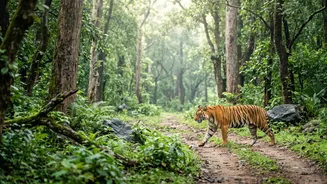
The first thing to understand is that India’s protected areas have different designations, such as National Park, Wildlife Sanctuary, and Tiger Reserve, each with varying levels of protection and rules. A Tiger Reserve, governed by the National Tiger Conservation
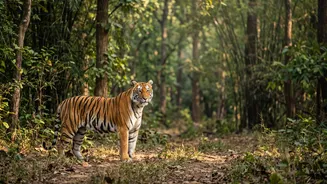
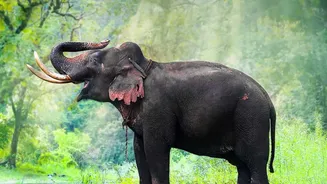
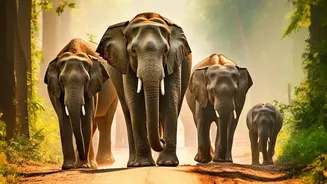
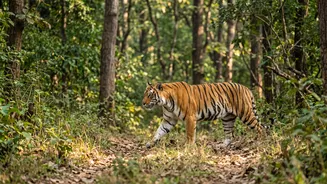
Authority (NTCA), has a strictly protected core area where human activity is minimal, designed specifically for tiger conservation. In contrast, a Wildlife Sanctuary might focus on a broader range of species and may permit some limited human activities. This means a safari in a tiger-centric park like Ranthambore, known for its high tiger density, will have different regulations and a different feel than a visit to Periyar National Park in Kerala, which is famous for its elephants and remains open year-round. The primary animal shapes the landscape and the rules of engagement.
The Logic of Safari Zones
Major national parks are divided into multiple safari zones to manage tourism and minimize environmental impact. Parks like Ranthambore and Jim Corbett have several designated zones, and your permit is valid for only one specific zone per safari. This system helps prevent overcrowding and ensures that wildlife is not unduly stressed. Some zones are known to have better sighting records based on animal territories and water sources. For example, the Dhikala zone in Corbett is legendary but requires an overnight stay booked months in advance, while day-visit zones like Bijrani and Jhirna are more accessible. Core zones generally offer a higher probability of sightings than buffer zones, which are on the park's periphery. Understanding which zones are productive can help you plan, but allocation is often determined at the time of booking.
Decoding the Permit System
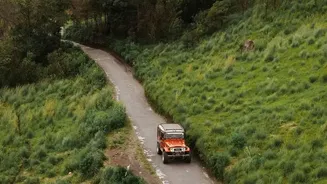
Booking a safari in India isn't as simple as buying a ticket at the gate. Safari permits for most major parks must be booked online, often months in advance, through the respective state's forest department portal. These permits sell out incredibly fast, especially for popular parks during peak season (December to February). You'll need to provide valid photo ID details for all visitors at the time of booking, and you must carry the original ID with you on the safari. There are typically two vehicle options: a jeep (usually a 6-seater Maruti Gypsy), which is more nimble and preferred by photographers, and a canter (a 20-seater open bus), which is a more budget-friendly option for larger groups. Always book through official government portals or reputable tour operators to avoid inflated prices or fake permits.
Seasonal Strategy and Timings
The best time for a safari depends on your goal. The summer months (March to June) are hot, but they offer the best chances for tiger sightings as animals congregate around the few remaining waterholes. The winter months (October to February) offer pleasant weather and are great for general wildlife and bird watching. Most national parks close during the monsoon season (July to September) for forest regeneration, though some buffer zones or specific parks like Periyar may remain open. Safaris run on a fixed schedule, with a morning drive starting around sunrise and an afternoon drive ending at sunset. The timings change slightly depending on the season and the park.
Responsible Behaviour: A Non-Negotiable Guide
A successful safari is also an ethical one. Responsible tourism is crucial for protecting India’s wildlife. This means adhering to a strict code of conduct. Always follow your guide’s instructions, as they are trained to understand animal behaviour and park rules. Maintain silence and avoid making loud noises or sudden movements that can stress the animals. Wear muted colours like beige, green, and brown to blend in with the natural surroundings; avoid bright colours. Never get out of the vehicle, feed or tease animals, or use a flash for photography. Littering is strictly prohibited and heavily fined, so carry all your waste back with you. The goal is to observe wildlife in its natural habitat without disturbing it.