


The Science of Saffron's Golden Trio
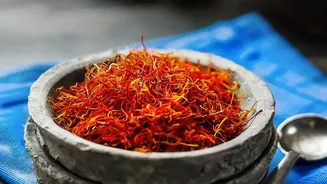
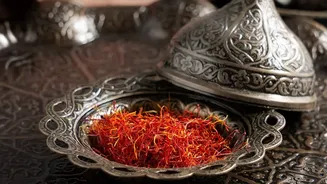
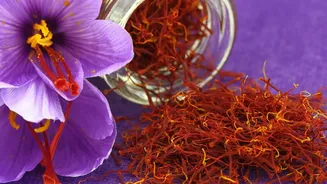
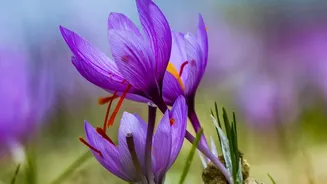
To understand why saffron needs this preparatory step, we have to look at what is locked inside each delicate thread. The spice's magic comes from three key chemical compounds. First is crocin, the water-soluble pigment responsible for saffron's famous
vibrant, golden-yellow hue. Next is picrocrocin, which delivers the characteristic bitter and complex flavour profile. Finally, there's safranal, a volatile compound that provides the distinct floral and honey-like aroma. When saffron threads are dried, these three powerful elements are essentially dormant. They cannot fully express themselves if they are just dropped into a hot pan or a pot of rice. They need a gentle wake-up call to release their full potential.
Why Warm Liquid is the Perfect Key
Blooming is the process of steeping saffron threads in a small amount of warm liquid before adding them to your recipe. This simple infusion acts as a solvent, gently drawing out the crocin, picrocrocin, and safranal. The temperature of the liquid is crucial. A warm liquid, around 60–70°C, is ideal. This is warm to the touch but not boiling. Boiling water is too aggressive and can actually destroy the delicate safranal, flattening the spice's beautiful aroma and leaving you with colour but little fragrance. Cold water can also work, but the process is significantly slower, sometimes taking hours instead of minutes. Warm liquid provides the perfect balance, efficiently extracting the full spectrum of colour, taste, and scent in about 15 to 20 minutes, ensuring every bit of the spice is evenly distributed throughout your dish.
The Simple Art of Blooming
The technique itself is incredibly straightforward. For best results, start by lightly crushing the saffron threads with a mortar and pestle or even just between your fingers. This increases the surface area, allowing for a faster and more complete extraction. Place the crushed threads in a small bowl and pour over a few tablespoons of warm liquid. The liquid you choose should complement your dish—water is a neutral choice for rice and stews, while warm milk or cream is excellent for desserts. Cover the bowl to trap the aromatic safranal and let it steep for at least 15 to 20 minutes. You will see the liquid transform into a deep, glowing gold. When it is time to cook, add the entire infusion—both the liquid and the softened threads—to your recipe, usually towards the end of the cooking process to preserve its aroma.
A Culinary Method, Not a Therapeutic Dose
Saffron has been used for centuries in traditional medicine for various purposes, and modern studies have explored its compounds for potential health benefits, including antioxidant and anti-inflammatory properties. However, it is essential to distinguish this from the culinary practice of blooming. Preparing saffron in warm water for a recipe is about flavour extraction, not creating a medical tonic. The quantity of saffron used in cooking is very small, intended to perfume and colour a dish. Therapeutic applications, which are being researched for conditions like mild-to-moderate depression, involve specific, concentrated extracts and controlled dosages that are far higher than what is used in a paella or biryani. While saffron is safe in culinary amounts, any use for health purposes should be approached with caution and under the guidance of a healthcare professional, as high doses can have side effects and potential drug interactions.