







The Rise of the Visa Scammer
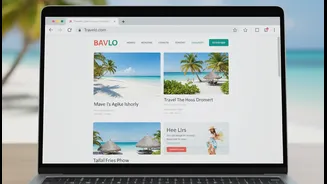
Planning an international trip is exciting, but the complex visa application process can be stressful. Scammers exploit this by creating sophisticated fake websites that mimic official government portals. These sites often appear high in search engine
results, using official-looking logos and language to trick applicants. They prey on travellers who are under time pressure or unfamiliar with the official procedures, aiming to steal both application fees and a wealth of personal information. Embassies for countries like the United States have issued warnings to Indian applicants about these rising scams, highlighting that many are targeted by agents making false promises of guaranteed or expedited visas.
Key Red Flags of a Fake Site
Vigilance is your first line of defence. A fraudulent website often has tell-tale signs. Be wary of any site promising guaranteed or unusually fast visa approvals; only official government bodies can make these decisions. Check the website URL carefully. Official government sites typically have specific domain endings, such as ‘.gov’ for the US or ‘.gov.in’ for India. Scammers often use URLs that are misspelled or slightly altered. Other red flags include requests for payment via unusual methods like wire transfers or cryptocurrency, poor grammar and spelling on the site, and a lack of clear contact information beyond a simple web form.
How to Verify a Legitimate Portal
To ensure you are using a legitimate service, always start your search on the official website of the embassy or consulate of the country you plan to visit. These sites will provide the correct links to their official visa application portals. For example, the US Embassy in India directs applicants to specific, official websites for all visa services. Avoid third-party agents or consultants who claim to have special influence over the outcome of your application. No third-party company can expedite the process beyond what the official channels allow. Taking the time to cross-verify the URL through an official government source is the safest way to proceed.
The Real Cost: More Than Just Money
Falling for a visa scam can cost you far more than the fee you paid. These fraudulent sites are designed to harvest sensitive personal information, including your full name, passport details, date of birth, financial records, and address. This data can be used for identity theft, opening financial accounts in your name, or sold to other criminals. The consequences can be devastating, leading to significant financial loss and a long, difficult process of reclaiming your identity. Furthermore, submitting an application through a fake site means your real visa application is never processed, potentially ruining your travel plans at the last minute.
Your Duty to Report: A How-To Guide
If you encounter a suspicious website, reporting it is crucial to help protect other travellers. In India, the government has established a centralised system for this. You should report the fraudulent website to the National Cyber Crime Reporting Portal at cybercrime.gov.in. This portal is managed by the Indian Cyber Crime Coordination Centre (I4C) and is the official platform for lodging such complaints. When you file a report, be prepared to provide the URL of the suspicious website and any screenshots or communication you may have. Every report helps authorities identify and take down these criminal networks.
Already Scammed? Here’s What to Do Now
If you realise you have already shared your data or paid money to a fraudulent site, act immediately. First, contact your bank or credit card company to report the fraudulent transaction, block your card, and secure your accounts. Then, file a formal complaint on the National Cyber Crime Reporting Portal (cybercrime.gov.in) and call the national cybercrime helpline at 1930, especially if financial fraud has occurred. Reporting quickly increases the chance of tracing and potentially freezing the transferred funds. Gather all evidence, including transaction details, email correspondence, and screenshots of the website, to support your case.