






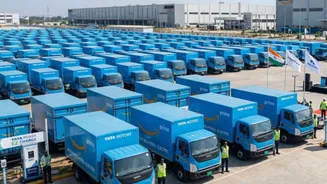
Two of India’s corporate heavyweights, Amazon and Tata Motors, are joining forces in a landmark deal that signals a major shift in the country's logistics landscape. This collaboration is set to put thousands of electric trucks on Indian roads.
A Landmark E-Mobility Partnership
Amazon
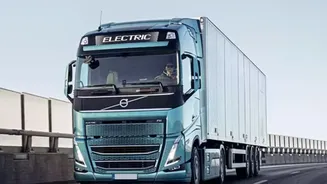
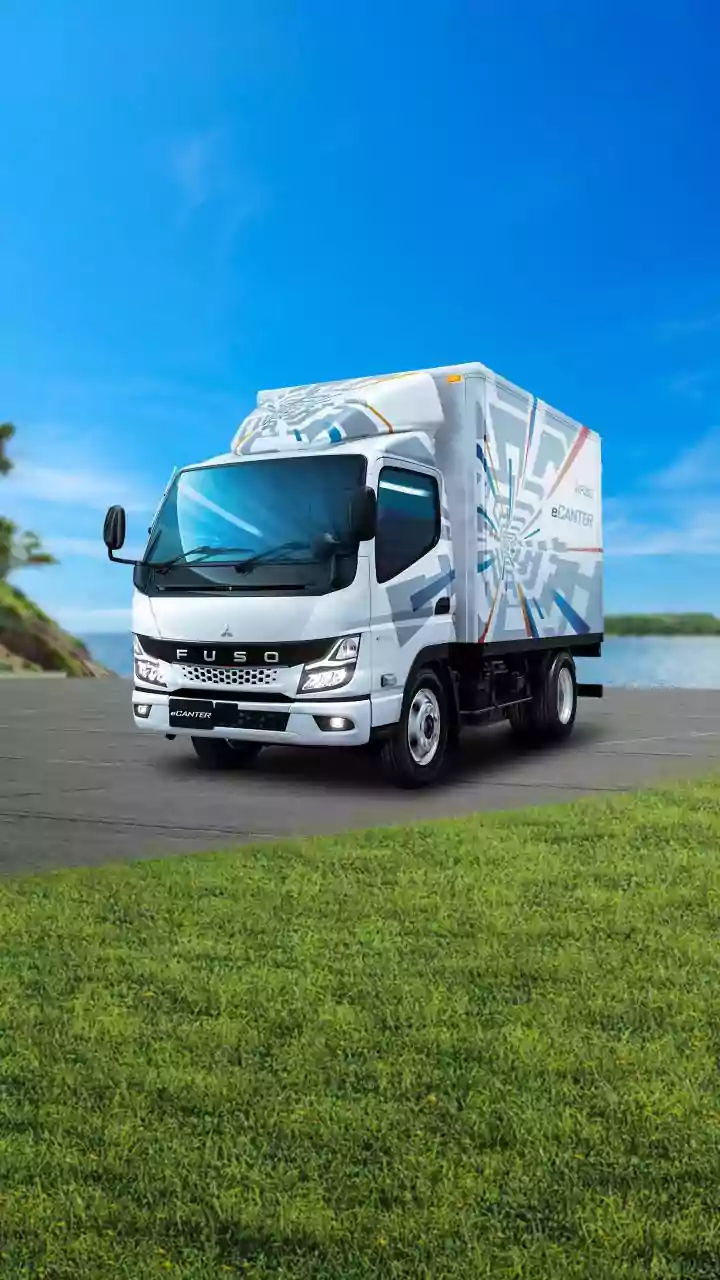
India and Tata Motors have announced a major collaboration to deploy 3,000 electric trucks across Amazon's transportation network. This initiative represents the largest electric truck deployment by an e-commerce company in India to date and marks a significant move beyond last-mile delivery vans into the realm of middle-mile and long-haul freight. The first batch of vehicles, which includes the Tata Ultra E.7 electric truck, was officially flagged off in New Delhi on October 27, 2026, just in time for the busy festive season. Under the agreement, Tata Motors will supply the electric trucks, while Amazon's logistics and delivery partners will own and operate them, creating a model that combines vehicle manufacturing expertise with logistical scale.
Amazon's Drive for Net-Zero
This partnership is a critical component of Amazon's global commitment to achieve net-zero carbon emissions by 2040, a pledge it co-founded. The company has been aggressively electrifying its fleet worldwide and has made substantial progress in India. Having already surpassed its initial goal of deploying 10,000 EVs in India by 2024 (a year ahead of schedule), Amazon's current fleet stands at over 15,000 electric vehicles. This new focus on electric trucks tackles one of the most challenging parts of decarbonizing logistics: the middle mile. This involves moving goods between large fulfillment centers and local distribution stations, a segment traditionally dominated by diesel-powered vehicles.
Tata Motors: Powering the EV Push
As India's largest commercial vehicle manufacturer, Tata Motors is a natural partner for this ambitious project. The company has established itself as a leader in the country's EV transition. The Tata Ultra E.7, a key vehicle in this deployment, is a light-to-medium-duty truck designed for Indian conditions. It features modern EV technology such as an integrated e-axle, CCS2 fast charging capabilities, and regenerative braking to maximize range and efficiency. By providing not just the vehicles but also service and operational support, Tata Motors is helping to address some of the key barriers to large-scale EV adoption in the commercial sector, such as reliability and maintenance.
Beyond City Limits
While the initial rollout is focused on intra_city routes in Delhi, the ambition of this partnership extends much further. The next phase plans to electrify major national highways, starting with the 2,800_kilometre Delhi_Bengaluru_Chennai corridor along National Highway 48. This crucial freight route spans seven states and connects six of India's largest e_commerce regions. To make this vision a reality, the companies are also focusing on building the necessary charging infrastructure. Amazon is working with partners like Yahhvi to develop dedicated charging yards and hubs to support the electric fleet on these long_haul routes, a critical step for ensuring the trucks can operate efficiently without significant downtime.
The Broader Impact on Indian Logistics
This collaboration is more than just a deal between two companies; it's a catalyst for the entire Indian logistics industry. The high upfront cost of EVs and the lack of robust charging infrastructure have been major hurdles for commercial fleet operators. By demonstrating a viable, large_scale model for electric trucking, Amazon and Tata are creating a blueprint for others to follow. This move aligns with government initiatives like PM E_DRIVE and Production Linked Incentive (PLI) schemes, which aim to accelerate electric mobility. As fuel costs continue to be a major operational expense, the lower running costs of EVs present a compelling economic case for an industry seeking efficiency and sustainability. This partnership could significantly accelerate the transition away from diesel, reducing both emissions and operational expenditures across the sector.