





The Undeniable Scientific Link
The debate is not about whether air pollution can cause cancer; on that, the global scientific community is clear. As far back as 2013, the World Health Organization’s International Agency for Research on Cancer (IARC) classified outdoor air pollution as a 'Group
1 carcinogen'. This places it in the same category as tobacco smoke and asbestos, meaning there is sufficient evidence to conclude it causes cancer in humans. The primary culprit is Particulate Matter 2.5 (PM2.5), microscopic particles so fine they can bypass the body's natural defences, lodge deep in the lungs, and even enter the bloodstream. Studies have repeatedly shown a direct relationship: as exposure to PM2.5 increases, so does the risk of developing lung cancer.
How Toxic Air Becomes a Tumour
For years, it was believed that pollutants directly damaged DNA, causing mutations that led to cancer. Groundbreaking recent research reveals a more subtle mechanism. Scientists have found that many people have pre-existing, dormant mutations in their lung cells that accumulate with age. These cells are not cancerous on their own. However, when fine particulate matter like PM2.5 is inhaled, it triggers a chronic inflammatory response in the lungs. This inflammation acts like a wake-up call for these dormant, mutated cells, prompting them to proliferate and grow into a tumour. So, the pollution doesn't necessarily create the initial error, but it provides the fertile ground for cancer to develop, which helps explain the rising tide of lung cancer among non-smokers.
Delhi’s Acute Problem
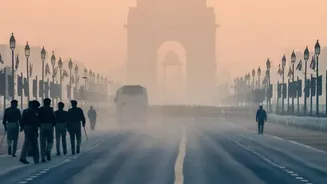
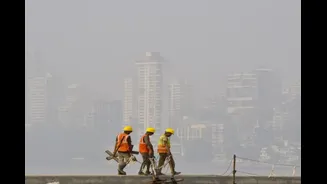
While air pollution is a global issue, Delhi's situation is uniquely severe. The city consistently ranks among the most polluted in the world, with PM2.5 levels that frequently dwarf WHO safety guidelines. A study in The Lancet estimated that air pollution was responsible for approximately 1.67 million deaths in India in 2019. While smoking is still the biggest cause of lung cancer, the sheer intensity and persistence of Delhi’s pollution make it a significant and undeniable risk factor for everyone. Local doctors report an unsettling rise in lung cancer cases among non-smokers, a trend that aligns with the scientific understanding of pollution's role. Concerns are also emerging about links to other cancers, such as gastrointestinal cancers, with some Delhi doctors reporting cases in patients as young as 15.
Beyond the Lungs
The health effects of persistent air pollution are not confined to cancer or the respiratory system. The same fine particles that infiltrate the lungs can travel throughout the body, causing systemic inflammation. This has been definitively linked to a host of other serious conditions, including heart attacks, strokes, high blood pressure, and adverse birth outcomes. In Delhi, studies have noted that pollution is associated with increased mortality from cardiovascular and respiratory problems. Residents commonly suffer from chronic coughs, headaches, and irritation of the eyes and skin. While a cough might seem minor, persistent symptoms should not be ignored, as they can signal underlying stress on the body from long-term exposure.
Understanding Your Personal Risk
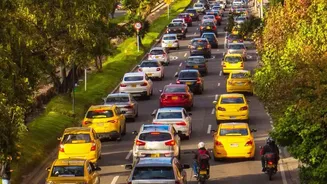
The classification of air pollution as a carcinogen does not mean everyone exposed will get cancer. Risk is a matter of probability, influenced by the level and duration of exposure, genetics, and lifestyle factors. However, living in a high-pollution zone like Delhi elevates the baseline risk for the entire population over a lifetime. The 'debate' in Delhi is therefore not about the existence of the risk, but its magnitude and the urgent need for action. While individuals can take small steps like using air purifiers or wearing N95 masks on severe days, these are temporary fixes for a systemic problem. The health crisis is a powerful argument for stronger regulations on vehicle emissions, industrial pollution, and crop burning—the major sources of the city's toxic air.