




A Journey Back in Time
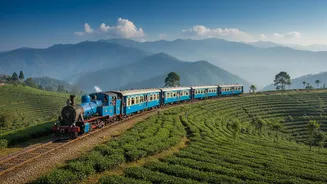
Riding the Darjeeling Himalayan Railway, affectionately known as the 'Toy Train', is less about speed and more about soaking in history. As it travels at a leisurely pace, often just over 10 kilometres per hour, passengers are transported to a different
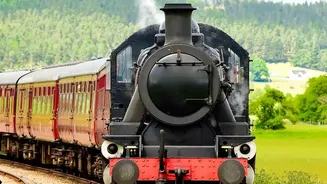
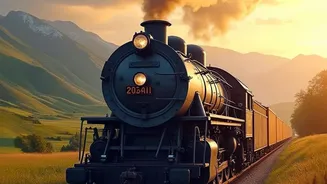
era. The vintage B-Class steam locomotives, some over a century old, are lovingly maintained and still haul tourist services, offering an authentic 19th-century travel experience. The journey from New Jalpaiguri (NJP) in the plains to the hill station of Darjeeling covers about 88 kilometres, climbing over 2,100 metres in altitude. This slow, winding ascent through breathtaking mountain scenery, tea gardens, and bustling local villages is the very essence of its charm. For many, the most popular way to experience this is the 'Joy Ride', a two-hour round trip from Darjeeling to Ghum, India's highest railway station.
An Engineering Marvel on a Narrow Gauge
The railway's existence is a testament to incredible Victorian-era engineering. Built between 1879 and 1881, the line was conceived by Franklin Prestage of the Eastern Bengal Railway to tackle the logistical challenge of connecting the hills with the plains. Before the train, the high cost of transport meant essentials like rice were significantly more expensive in the mountains. To conquer the steep terrain on a narrow 2-foot gauge, engineers devised a series of ingenious solutions. The track incorporates three surviving spiral loops and six 'Z-reverses' or zig-zags. These allow the train to gain height rapidly over short distances by reversing direction, a mesmerising manoeuvre to witness. The most famous of these is the Batasia Loop, created in 1919 just below Ghum, which offers a panoramic view of Darjeeling with the majestic Kanchenjunga in the background.
More Than Just a Tourist Attraction
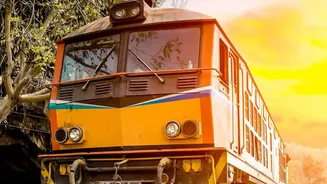
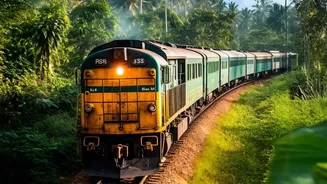
While the steam-hauled joyrides are a major tourist draw, the Darjeeling Himalayan Railway is not merely a museum on wheels; it remains a functioning part of the local transport network. Daily diesel-powered services run along the full route, serving as a vital link for residents of towns like Kurseong, Sonada, and Ghum. For over a century, before faster road transport became common, this railway was the primary mode of commute and freight. In 1910, it carried 174,000 passengers and 47,000 tons of goods, from tea and timber to people and mail. Though its commercial utility has diminished, the train continues to run alongside the main Hill Cart Road, so close to shops and houses that it feels more like an urban tramway at times, its whistle a constant and familiar sound in the community.
A UNESCO World Treasure
In December 1999, UNESCO recognised the Darjeeling Himalayan Railway as a World Heritage Site, citing it as an "outstanding example of a hill passenger railway". It was only the second railway in the world to receive this honour. The designation acknowledges not just its ingenious engineering but also its influence on the social and economic development of the region. The railway transformed Darjeeling, facilitating the growth of its world-famous tea industry and making the hill station accessible. Today, it stands as a part of the Mountain Railways of India, a collective that also includes the Nilgiri Mountain Railway and the Kalka-Shimla Railway, all celebrated for their innovative solutions to navigating mountainous terrain.