



The Current Situation
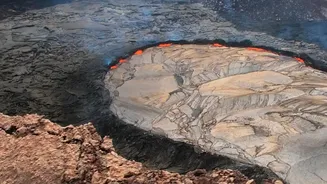
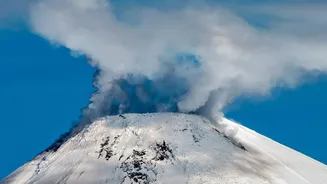
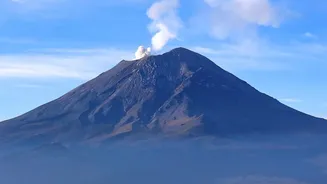
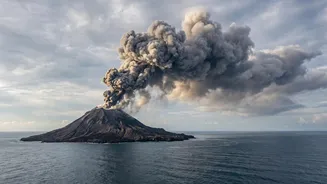
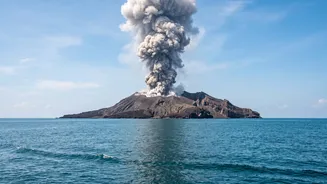
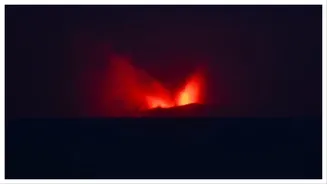
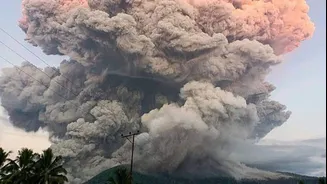
Starting late on September 4, 2026, Anak Krakatau, located in the Sunda Strait, began a series of powerful eruptions. These events sent vast plumes of volcanic ash soaring into the atmosphere, with some clouds reaching altitudes as high as 15,000 meters
(around 50,000 feet). In response, authorities took swift action, closing eight airports, including Jakarta's main Soekarno-Hatta International Airport. The two-day closure disrupted nearly 3,000 flights and affected over 340,000 passengers. While flights from Jakarta resumed early on Tuesday, September 8, after extensive safety checks, the volcano remains active at a Level III alert status, the second-highest level, with a 3-kilometer exclusion zone in place. Authorities continue to monitor the situation around the clock.
Why Volcanic Ash Is So Dangerous for Planes
Volcanic ash isn't like the soft soot from a fire; it’s made of tiny, sharp particles of rock, minerals, and volcanic glass. When a jet flies through an ash cloud, these abrasive particles act like sandpaper, scouring cockpit windows and damaging flight control surfaces. The most critical danger, however, lies within the engines. Modern jet engines operate at temperatures high enough to melt these glass-like particles. The molten silicate then flows into cooler parts of the engine, where it resolidifies into a glassy coating on turbine blades and other vital components. This can disrupt airflow, causing the engines to stall or fail completely. The ash can also clog pitot tubes, the sensors that measure airspeed, leading to dangerously unreliable instrument readings for pilots.
A Volcano with a Deadly History
The name Anak Krakatau means "Child of Krakatau," a direct reference to its infamous parent. The original Krakatau volcano produced one of the most catastrophic eruptions in recorded history in 1883. That event was so powerful its sound was heard thousands of kilometers away and it triggered devastating tsunamis that killed more than 36,000 people in coastal Java and Sumatra. The eruption ejected so much ash that it lowered global temperatures for years and created spectacular sunsets worldwide. Anak Krakatau emerged from the caldera left by that 1883 collapse in 1927 and has been one of Indonesia's most active volcanoes ever since. This history is why authorities monitor it with such vigilance; any major activity brings back memories of its predecessor's destructive power.
How Aviation Authorities Respond
The decision to close airspace is not taken lightly. It’s a coordinated effort between aviation authorities, meteorological agencies, and specialised Volcanic Ash Advisory Centers (VAACs). The VAAC in Darwin, Australia, is responsible for monitoring Indonesian airspace. Using satellite imagery, ground reports, and dispersion models, these centers issue advisories on the location, altitude, and expected movement of ash clouds. Air traffic controllers use this information to direct pilots away from the danger zones. If the ash is widespread or drifting towards major airfields, authorities will close airports to prevent any aircraft from taking off or landing in hazardous conditions, prioritizing safety above all else. The recent closures, while disruptive, are a direct application of lessons learned from past incidents where planes lost engine power after flying through ash.