








What Sparked the Investigation?
The Food Safety and Standards Authority of India (FSSAI) has taken action against CG Foods India Pvt. Ltd. following an inspection of its manufacturing plant in Roopangarh, Ajmer, Rajasthan. The regulator announced it was initiating enforcement action due
to findings of unsafe processing, the manufacturing of unlicensed products, and issues with packaging dates. This move places a spotlight on the production of some of India's most common household snacks and raises significant questions about quality control within the packaged food industry.
The Alarming Discoveries
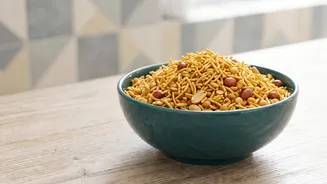
During the inspection, the FSSAI uncovered several serious violations. Officials reported that the unit was reprocessing broken noodles that had been collected from the floor and turning them into bhujia products without any proper heat treatment. This practice poses a substantial risk of contamination. Furthermore, the regulator found that the company was using predated packaging, meaning the dates on the packets did not reflect the actual date of manufacture. The inspection also identified the unlicensed manufacturing of two specific bhujia variants: 'Wai-Wai MaMa' and 'Wai-Wai Mama Punte'.
The Regulator's Swift Action
In response to these findings, the FSSAI has ordered CG Foods to immediately stop the production of its 'veg bhujia namkeen'. The authority seized a massive 32,107.2 kg of stock from the site, which included loose, broken noodles intended for reprocessing. Additionally, officials detained 1,925 boxes of finished goods that were found to be expired. The FSSAI has stated that it has initiated strict legal proceedings against the company and has warned that further regulatory action may follow, pending the results of laboratory analysis of the samples collected.
Broader Industry Implications
This incident involving a major player like CG Foods highlights a wider concern about food safety standards in India's rapidly growing packaged food market. The FSSAI has been increasing its vigilance recently, cracking down on various eateries and manufacturers for hygiene and safety lapses. Such enforcement actions serve as a stark reminder to the industry that compliance with safety and hygiene protocols is non-negotiable. For a company known for a beloved brand like Wai Wai, these allegations can significantly damage consumer trust built over many years.
What This Means for Consumers
For consumers, this news is a cause for concern but also a call for caution. While the FSSAI has stepped in to halt production, it underscores the importance of being vigilant when purchasing packaged foods. Consumers are always advised to check packaging for any signs of damage, verify manufacturing and expiry dates, and purchase from reputable retailers. The FSSAI's findings, particularly regarding the reprocessing of floor-collected ingredients without heat treatment, reveal a type of food safety problem that is invisible to the naked eye. This incident reinforces the critical role of regulatory bodies in protecting public health from malpractice in the food processing chain.