






A new, heavily funded Texas startup named Warhound is making waves with a bold promise: to create a new generation of elite working dogs by combining cloning and genetic enhancement. Here's a look at what the company is offering and the science behind
it.
What is the Warhound Venture?
Warhound is a new defense technology company that recently launched with $200 million in seed funding. The venture is the brainchild of Ben Lamm, the co-founder of de-extinction company Colossal Biosciences, and Palmer Luckey, founder of defense tech firm Anduril Industries. The company's stated mission is to create a secure, domestic supply of elite working dogs for the U.S. military, law enforcement, and first responders, reducing the current reliance on European breeders. At present, over 80% of U.S. military working dogs are sourced from Europe, and high failure rates during training—sometimes over 50%—create a bottleneck. Warhound plans to address this by combining advanced genetics, cloning, and technology to produce dogs that are healthier and more likely to succeed in their demanding roles.
The Promise: Healthier, High-Performing Dogs
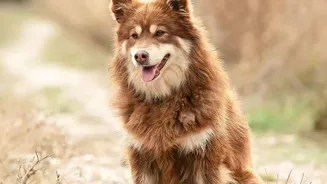
The core of Warhound's pitch is to produce superior dogs by starting with superior genetics. The company has already begun collecting cell samples from top-performing working dogs in the U.S., including Belgian Malinois, Labradors, and German Shepherds. The plan is to use Colossal's genetic platform to clone these elite animals. Initially, the focus of the genetic work is on health. Scientists will edit the genes of these animals to reduce their susceptibility to common hereditary conditions that often shorten their careers, such as hip dysplasia and certain cancers. In the long term, the company has suggested that further enhancements could be possible, such as improving a dog's speed, agility, or sense of smell.
The Science of Selective Enhancement
For decades, working dog programs have used selective breeding to improve traits, but this has limitations. Warhound is taking this a step further by using modern genetic tools like CRISPR. The process involves 'biobanking', or storing genetic material from proven, high-performing dogs. Scientists can then use gene-editing technology to correct mutations known to cause disease before a dog is even conceived. For example, research has identified genetic markers for conditions like hip dysplasia, and in principle, these could be edited out. The resulting edited cells are then used in the cloning process to produce a puppy. This is a significant leap from traditional breeding, where problematic genes can be passed down unknowingly. The goal is to produce fewer dogs overall, but with a much higher probability of being healthy and fit for service. Warhound's first batch of genetically engineered dogs is expected to be born in early 2027.
Beyond Genetics: Cybernetics and Tech
Warhound's vision extends beyond biology. Through a partnership with Anduril, the dogs will be equipped with advanced technology described as 'cybernetic augments' and battlefield awareness software. This does not appear to mean creating cyborgs, but rather outfitting the dogs with high-tech protective equipment. This could include specialized goggles, vests, body armor, and software that enhances communication and situational awareness for both the dog and its handler. Palmer Luckey framed it by saying, 'Man's best friend deserves man's best tech'. This integrated approach aims to not only improve the dog's innate abilities through genetics but also to protect them and make them more effective in the field through technology.
The Ethical Questions
The prospect of genetically engineering animals for military and police work naturally raises ethical questions. While the initial focus on eliminating painful genetic diseases like hip dysplasia is widely seen as a welfare benefit, the line between health and enhancement can be blurry. Critics of selective breeding in general point out that focusing too narrowly on specific traits can inadvertently reduce genetic diversity, potentially leading to new, unforeseen health problems down the line. There is also a broader debate about the instrumentalization of animals—treating them as engineered tools rather than sentient beings. Recognizing these concerns, Warhound has stated it will operate under the guidance of the American Humane Society, which will certify its training programs and oversee protocols for the dogs' retirement and adoption.