


A Bird's-Eye View of Majesty
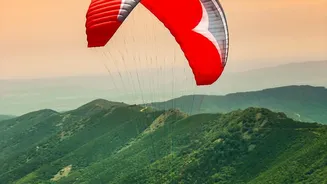
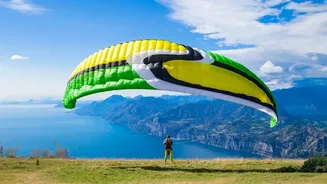
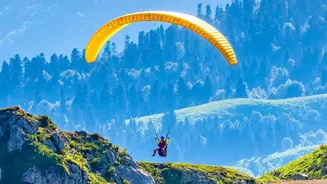
Imagine running a few steps down a grassy, mountain slope and then, instead of continuing down, you simply lift up. The ground falls away, the wind catches the canopy above you, and a sudden, peaceful silence descends. This is the essence of tandem paragliding.
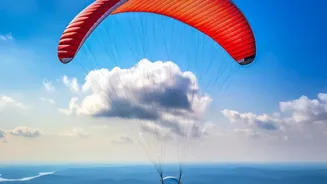
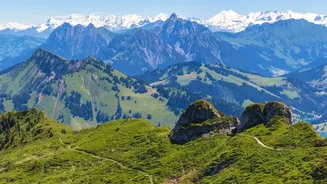
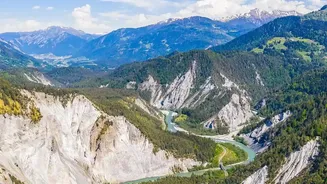
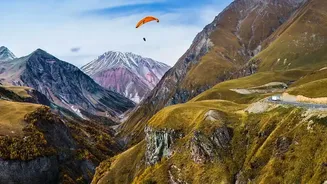
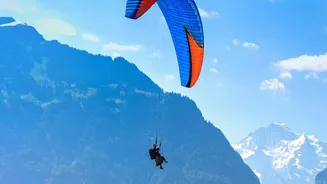
It’s often described as surprisingly serene rather than terrifying. Unlike the high-octane chaos of skydiving, paragliding is a gentle, floating experience. You are seated in a comfortable harness, securely attached to your pilot who handles all the controls, leaving you free to absorb the panoramic views of snow-capped peaks, turquoise lakes, and miniature villages below. Flights typically last between 15 and 30 minutes, but time seems to stretch as you drift on air currents, feeling more like a bird than a passenger.
Your First Flight: What to Expect
For nearly all travellers, the gateway to this world is a tandem flight. No prior experience is necessary. The process is straightforward and designed for beginners. Your adventure begins when you meet your certified pilot, who will provide a short but thorough safety briefing. You'll be fitted with a harness and helmet. The take-off is often the part that causes the most anxiety, but it's remarkably simple: you and your pilot will run together down a gentle incline until the wing inflates and lifts you both smoothly into the air. Once airborne, you can relax. Some pilots will even offer you the chance to steer the glider for a moment under their supervision, while others might ask if you’re up for some thrilling acrobatic manoeuvres like spirals and wingovers before landing. Landing is just as controlled, usually involving a light jog as your feet touch down in a designated grassy field.
Iconic Backdrops: Where to Go
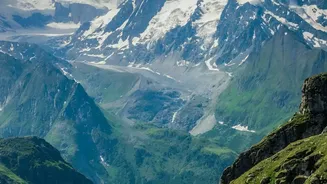
The Alps stretch across eight countries, offering a multitude of world-class paragliding spots. Interlaken in Switzerland is arguably the most famous hub for beginners, celebrated for its stable weather conditions and breathtaking views of the Eiger, Mönch, and Jungfrau mountains, along with the twin lakes of Thun and Brienz. Chamonix, France, offers an unparalleled experience in the shadow of Mont Blanc, Western Europe's highest peak. Other highly regarded areas include Annecy in France, known for its crystal-clear lake, and the Zillertal valley in Austria, which provides Swiss-quality scenery at a slightly lower cost. For those looking to escape the crowds, the Julian Alps in Slovenia offer stunning vistas with fewer people.
Safety Above All Else
Jumping off a mountain might sound inherently risky, but tandem paragliding has a strong safety record when conducted by professional outfits. Reputable companies use pilots who are licensed and have years, sometimes decades, of experience. Equipment is rigorously inspected and regularly replaced, and every flight includes a reserve parachute as a backup. The single most important factor is weather. Flights will only proceed in suitable, stable conditions. Pilots are constantly assessing the wind and weather, and will not hesitate to delay or cancel a flight if safety is compromised. This commitment to safety makes tandem paragliding a low-risk sport, statistically safer than many common activities like cycling or skiing.
Planning Your Alpine Adventure
While you can paraglide in the Alps year-round, including 'ski-launching' in winter, the prime season generally runs from April to October. Spring and early autumn often provide the best balance of good weather, clear air, and fewer crowds. Summer months offer the strongest thermal lifts for longer flights but can be busy. Costs vary by location, but you can typically expect to pay between €95 and €215 for a standard tandem flight. Switzerland is generally the most expensive, while France and Austria can offer better value. This price usually includes the pilot, all equipment, and sometimes transport to the launch site, though lift tickets are often an additional cost. Booking in advance, especially during peak season, is highly recommended.