






As winter arrives, the cold, dry air can leave skin feeling dull and dehydrated. Before you invest in expensive products, your kitchen holds a secret to radiant skin: fruit peels, packed with vitamins and antioxidants ready to rejuvenate.
Why Winter Wreaks Havoc on Skin
The primary challenge
for Indian skin during winter is the drop in humidity. Cold air holds less moisture, which in turn draws moisture away from your skin, leaving it feeling tight, flaky, and uncomfortable. This process, known as transepidermal water loss, can compromise your skin's natural barrier, leading to increased sensitivity, dryness, and a dull appearance. While it is tempting to take long, hot showers, doing so can strip your skin of its natural oils, making the problem worse. A simple, consistent routine focused on hydration and gentle care is key.
1. Orange Peel for a Vitamin C Boost
Instead of being discarded, orange peels can be a powerhouse for your skin. They are rich in Vitamin C, a potent antioxidant that helps brighten the complexion, fade dark spots, and support collagen production. The natural citric compounds also act as a gentle exfoliator, helping to unclog pores and remove dead skin cells for a fresh glow. To use, collect and dry orange peels in the sun until they are crisp, then grind them into a fine powder. For a simple face pack, mix one teaspoon of this powder with a teaspoon of honey or yoghurt to form a paste. Apply it to clean skin, leave for 15 minutes, and rinse with lukewarm water.
2. Pomegranate Peel for Antioxidant Power
Pomegranate peels are packed with antioxidants like polyphenols and flavonoids, which help protect the skin from environmental damage and oxidative stress. These compounds are known to have anti-inflammatory properties, making them useful for soothing irritated skin and calming conditions like acne. They also help in hydrating the skin and may slow down signs of ageing by preserving collagen. Create a detoxifying mask by mixing sun-dried pomegranate peel powder with rose water or yoghurt. Apply the paste and let it sit for about 15 minutes before washing it off.
3. Banana Peel for Intense Hydration
Don't underestimate the slippery inner side of a banana peel. It is loaded with potassium and moisture, making it an excellent natural hydrator for dry winter skin. The peels also contain vitamins A, B6, and B12, which nourish the skin and can help reduce the appearance of fine lines by providing a temporary smoothing effect. For an easy and soothing treatment, simply rub the inside of a fresh banana peel gently over your face. Let the residue sit for 10-15 minutes to allow the nutrients to absorb, then rinse off. This can help calm irritation and leave your skin feeling soft and supple.
4. Papaya Peel for Gentle Exfoliation
Papaya peel contains a powerful enzyme called papain, which is known for its ability to gently exfoliate the skin. It works by breaking down the proteins that hold dead skin cells together, revealing a smoother, more radiant complexion without the need for harsh scrubbing. This can be particularly beneficial in winter when skin can look dull. The highest concentration of papain is found just under the peel of an unripe papaya. For a mild exfoliating treatment, you can gently rub the inner side of a ripe papaya peel on your skin, leave it for a few minutes, and rinse. Be cautious, as papain can cause irritation on sensitive skin.
5. Apple Peel to Tone and Refresh
An apple peel is rich in vitamins A and C, along with antioxidants that help improve skin texture and maintain elasticity. These nutrients can help protect the skin from damage and support cell renewal. Apple peels also have astringent properties, which can help tighten pores and give the skin a toned, firm appearance. A simple way to use them is to boil the peels in water, allow the liquid to cool, and then use it as a refreshing facial toner. Apply it with a cotton ball to clean skin to help refine pores and impart a natural glow.
6. Lemon Peel with a Word of Caution
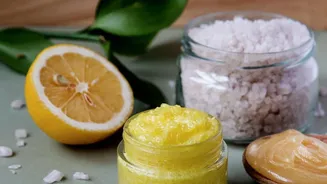
Lemon peel contains citric acid and vitamin C, known for their skin-brightening and oil-controlling properties. Using dried lemon peel powder can help exfoliate the skin and lighten blemishes. However, lemon is highly acidic and can cause significant side effects, including irritation, redness, and increased sensitivity to sunlight. It is crucial to never apply lemon before sun exposure. If you choose to use it, always dilute it, use it sparingly as a spot treatment, and perform a patch test on your arm first. For most people, safer alternatives like a formulated Vitamin C serum are recommended.