



What Exactly Are Flat Twists?
Flat twists are a popular protective style that combines the technique of a two-strand twist with the scalp-hugging placement of a cornrow. The style involves taking two strands of hair and twisting them around each other, keeping the twist flat against
the scalp by gradually adding in more hair as you move along the section. Unlike cornrows, which use three strands in a braiding motion, flat twists use only two. This often makes them a more beginner-friendly option for those looking to style their own hair. The result is a neat, rope-like pattern that showcases hair's natural texture with what is often considered a softer, less tension-heavy feel compared to braids.
The Protective Power of Low Manipulation
One of the primary draws of flat twists is that they are a low-manipulation style. Low-manipulation and protective styles are designed to reduce daily handling, which in turn minimises stress on your hair strands. Less daily combing, brushing, and styling means less friction and tension, which are major contributors to breakage and split ends. By keeping the hair organised and the ends safely tucked away, styles like flat twists help create an optimal environment for length retention and overall hair health. They allow your hair to rest and thrive, protecting it from both mechanical damage and environmental stressors.
A Style for Every Occasion
The versatility of flat twists is a key part of their appeal. They can be styled for any occasion, from casual daily wear to elegant formal events. You can wear the twists as the final look, arranging them in a chic updo, a high bun, a crown-like halo, or a simple low puff. They can be done on hair of all lengths, with stylists adapting the technique for everything from short 'fros to long, flowing tresses. Additionally, flat twists serve as an excellent foundation for other styles. Once you decide to take them down, they reveal a beautifully defined, stretched curl pattern known as a “twist-out,” giving you a second hairstyle from one session.
Getting Started: A Basic Guide
Achieving flat twists at home is possible with practice. For best results, start with hair that is clean, detangled, and moisturised. Many find it easier to work on hair that is slightly damp or stretched from a previous style, as this helps with creating neat parts and smoother twists. First, use a comb to create a clean part for your first section. At the hairline, take a small piece of hair and divide it into two equal strands. Twist these two strands around each other once or twice to anchor the twist. Then, continue the motion down the section, picking up a small amount of new hair and adding it to one of the strands before each twist. This “pick up and twist” method is what keeps the style flat against the scalp. Continue until you reach the end of the section, and then finish with a regular two-strand twist.
Making Your Twists Last
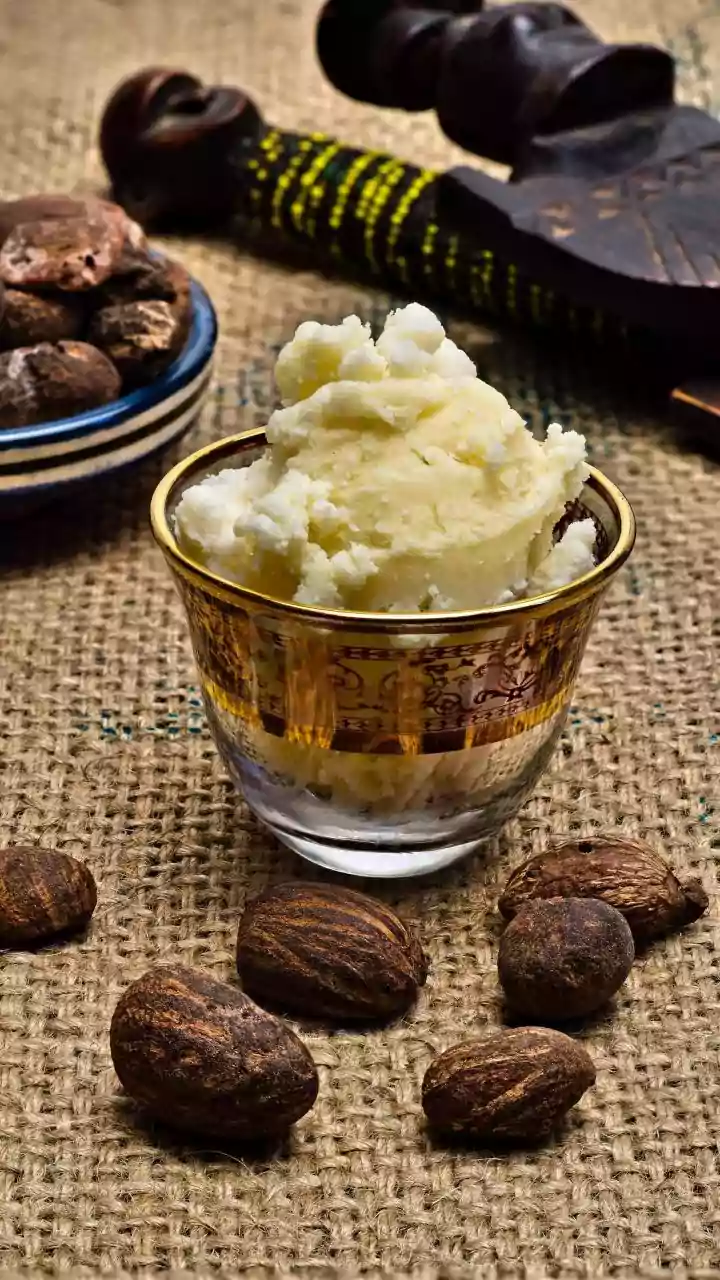
With proper care, flat twists can last anywhere from one to several weeks. The key to longevity is maintenance. Protecting your hair at night is crucial; sleeping with a satin or silk scarf or bonnet reduces friction that can cause frizz and flyaways. To keep your scalp and hair healthy, you can lightly mist your twists with a water-based moisturising spray every few days to prevent dryness. If your scalp feels itchy, a light application of a natural oil can provide relief without weighing the hair down. Avoid applying heavy butters or creams, which can cause product buildup and make the twists look less defined.