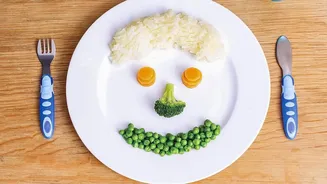









The Frustration of Fussy Eating
Picky eating is one of the most common concerns parents bring to paediatricians. Studies estimate that a significant percentage of children, most commonly between the ages of two and six, can be classified as picky eaters. This behaviour often manifests
as a refusal to try new things, a strong preference for a very limited menu of 'safe' foods, and sometimes dramatic reactions to unfamiliar textures, smells, or tastes. For parents, it can be a source of daily stress, creating tension at mealtimes and anxiety about whether their child is getting adequate nutrition. While it's a common developmental phase that many children outgrow, understanding the 'why' behind it can empower parents to handle it with more confidence and less conflict.
An Old Survival Instinct
Rather than just being a modern-day power struggle, the reluctance to try new foods, known as 'food neophobia,' may be an evolutionary trait. Researchers suggest this behaviour protected our early human ancestors. For a toddler who was becoming more mobile, a natural suspicion of unfamiliar plants, which could be poisonous, was a valuable survival mechanism. This instinct often peaks between the ages of two and six, precisely when children are gaining more independence. So, when your child eyes a new vegetable with suspicion, they might be channel-ing an ancient reflex designed to keep them safe from harm. This perspective can reframe the behaviour from one of defiance to one of caution.
The Power of Patient Exposure
The most effective strategy to counteract this innate caution is repeated, low-pressure exposure. Experts suggest it can take 10, 15, or even more exposures before a child willingly accepts a new food. The key is 'low-pressure'. This means serving a new food without the expectation that the child has to eat it. Coercing, bribing, or even praising a child to take 'just one bite' can create stress and anxiety around food, often making the resistance stronger. Exposure doesn't just mean tasting; it can include seeing the food on the table, helping to prepare it, or watching parents and siblings enjoy it. Each of these interactions helps build familiarity, which is the antidote to fear.
Redefining Roles at the Dinner Table
A helpful framework for implementing low-pressure strategies is the 'Division of Responsibility' in feeding, a concept developed by dietitian and therapist Ellyn Satter. This approach outlines clear roles for parents and children. The parent's job is to decide what food is served, when it's served, and where it is eaten. The child's job is to decide whether they will eat and how much they will eat from what is offered. This model removes the power struggle. By trusting your child to listen to their own hunger cues, you take the pressure off and help them develop a healthier, more intuitive relationship with food. It transforms mealtimes from a battleground into a more peaceful, shared experience.
Practical Tips for Success
Putting these ideas into practice can be simple. Serve meals family-style, allowing children to choose what they want from the offered dishes. Always include at least one 'safe' food you know your child will eat alongside new or less-preferred items. Involve children in food preparation, like washing vegetables or stirring ingredients, which can spark curiosity without pressure. Model the behaviour you want to see by eating a variety of foods yourself. And remember to celebrate small steps; if your child touches or smells a new food, that’s a win. The goal is not to get them to eat broccoli tonight, but to build a foundation of trust and curiosity that will last a lifetime.