





The Power of Avocado
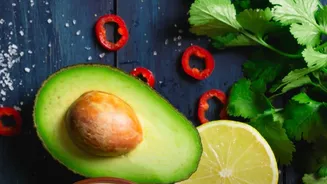
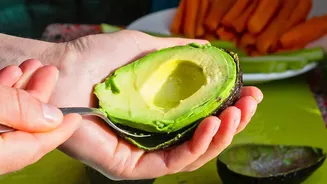
Avocado has earned its superfood status, primarily due to its high content of heart-healthy monounsaturated fats. These 'good' fats can help lower bad cholesterol levels. Avocados are also an excellent source of fibre, which aids digestion and helps you
feel full longer, potentially assisting with weight management. Additionally, they deliver nearly 20 vitamins and minerals, including potassium, folate, and vitamins C, E, and B6. But this nutritional richness comes at a caloric cost. A single medium avocado can contain around 240 calories. Because of this, a standard serving size is smaller than many people think—typically one-third of a medium avocado (about 50 grams). This portion provides around 80 calories and all the benefits without derailing your daily calorie goals.
The Goodness in Tomatoes
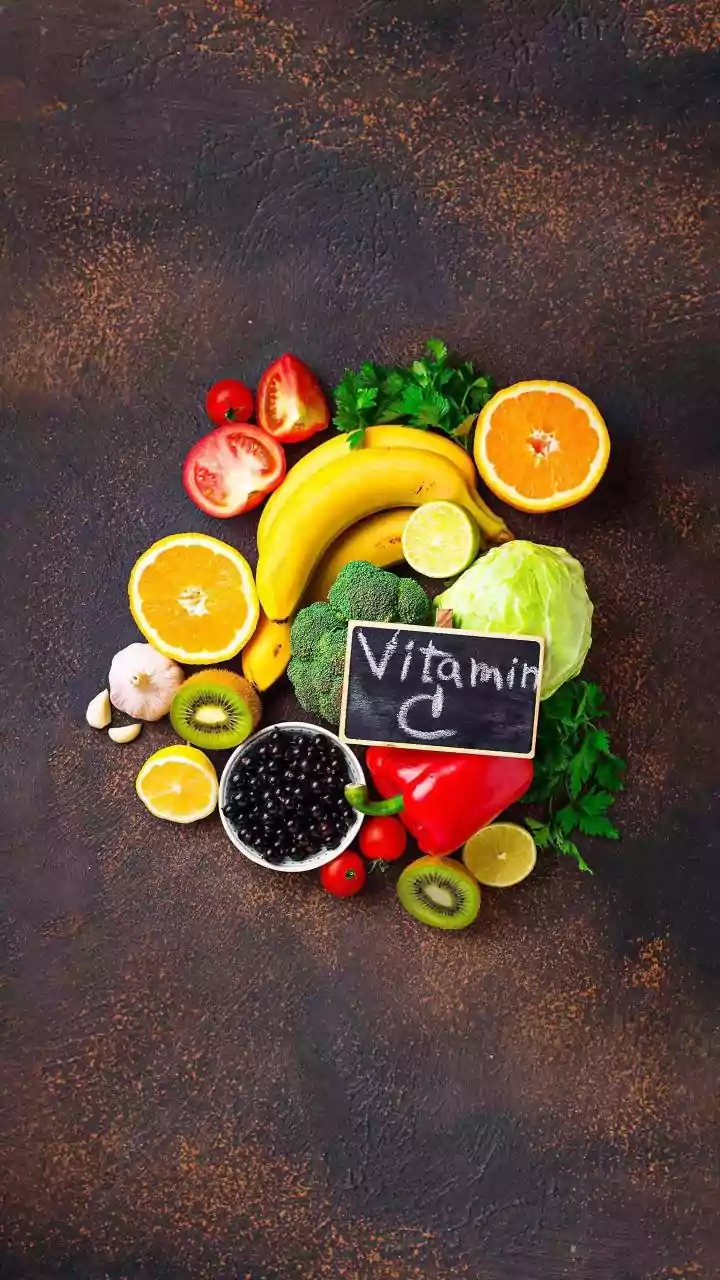
Tomatoes are nutritional powerhouses in their own right, but with a much lower calorie count. A medium tomato contains only about 22 calories and virtually no fat. Their most famous nutrient is lycopene, a powerful antioxidant responsible for their red colour. Lycopene has been linked to a reduced risk of heart disease and certain cancers. Tomatoes are also a great source of vitamin C, potassium, and vitamin A (in the form of beta-carotene). A healthy serving can be one medium tomato or about a cup of cherry tomatoes. While you can eat tomatoes more freely than avocados, it's worth noting their acidity can trigger heartburn or acid reflux in sensitive individuals. Overconsumption can also, in rare cases, lead to a harmless skin discolouration called lycopenodermia.
A Perfect Nutritional Pairing
The magic truly happens when you eat avocado and tomato together. The key lies in how our bodies absorb nutrients. Lycopene and beta-carotene (the precursor to vitamin A) in tomatoes are fat-soluble. This means your body needs fat to absorb them effectively. The healthy fats in avocado provide the perfect vehicle for this process. Studies have shown that pairing tomatoes with a fat source like avocado can dramatically increase the absorption of carotenoids like lycopene. By combining them, you're not just getting the individual benefits of each food; you're unlocking a synergy that makes the nutrients in the tomato far more available to your body.
Portioning for Popular Meals
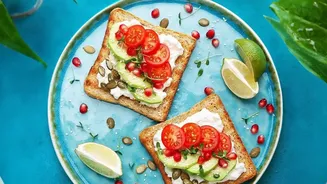
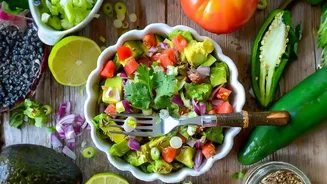
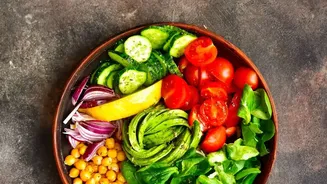
Applying this knowledge to everyday meals is simple. For avocado toast, start with one slice of whole-grain bread, a spread of about one-third of an avocado, and top with several slices of a medium tomato or a handful of halved cherry tomatoes. For a salad, use a base of leafy greens and other vegetables, add about one cup of chopped tomatoes, and toss with a dressing made from one-third of a mashed avocado, lemon juice, and herbs. This replaces heavier, cream-based dressings while providing the necessary fat to absorb the tomato's nutrients. In a sandwich or wrap, using a few thin slices of avocado (about a quarter of the fruit) instead of mayonnaise provides creaminess and healthy fats that work perfectly with slices of fresh tomato.
Mindful Eating and Individual Needs
While these guidelines are a great starting point, the ideal portion depends on your total diet, activity level, and individual health goals. Some people may find they are sensitive to the high fibre or certain compounds in avocados, which can cause digestive discomfort if eaten in excess. Likewise, the acidity of tomatoes might be an issue for those with GERD. The key is to listen to your body. The goal is to incorporate these healthy foods into a balanced eating pattern. Enjoying them in moderation ensures you get their fantastic benefits without any of the potential downsides of overdoing it. A whole avocado a day might be too much for many people, just as eating excessive amounts of any single food is rarely a good idea.