


Research Beyond the Guidebooks
Standard travel guides often have little to say about places still under the tourist radar. Your research needs to be more creative. Dive into travel blogs, vlogs, and online forums like Reddit to find firsthand accounts from recent visitors. These sources
offer practical, up-to-date advice on everything from a reliable local driver to which guest house has the most comfortable beds. Don’t underestimate looking at satellite maps to understand the layout of a town or the condition of roads. Following local travel content creators can also provide invaluable, real-time insights. This deeper level of research helps you set realistic expectations for your journey.
Rethink Your Accommodation
In destinations with developing tourism, you are unlikely to find large, international hotel chains. Instead, you'll discover homestays, small family-run guesthouses, and eco-lodges. While platforms like Booking.com and Agoda are expanding their reach, many of the best places may not be listed online at all. It’s wise to book your first few nights in advance and then rely on local recommendations as you travel. Always have a backup plan. In some remote areas, especially during peak local holidays, finding a room can be challenging, so arriving with a flexible attitude is key.
Pack for Self-Sufficiency
When infrastructure is limited, you need to be more self-reliant. Your packing list should reflect this. Essential items include a universal travel adapter, a powerful portable power bank, and noise-cancelling headphones for long, bumpy journeys. A comprehensive first-aid kit is non-negotiable, with basics like pain relievers, antiseptics, and any personal medications. Consider a water bottle with a built-in purifier. Pack versatile, quick-drying clothing that can be layered. Finally, always carry digital and physical copies of your passport, visa, travel insurance, and itinerary.
Plan for Connectivity and Cash
Don't assume you'll have easy access to Wi-Fi or that credit cards will be widely accepted. Upon arrival, consider getting a local SIM card for data access. Before your trip, download offline maps of the regions you'll be visiting. Inform your bank of your travel plans, but don't rely solely on cards. Many emerging destinations operate on a cash economy. Carry enough local currency to cover expenses for several days, especially if you're heading to more rural areas. It's a good practice to have money in a few different places to mitigate the risk of theft.
Prioritise Health and Safety
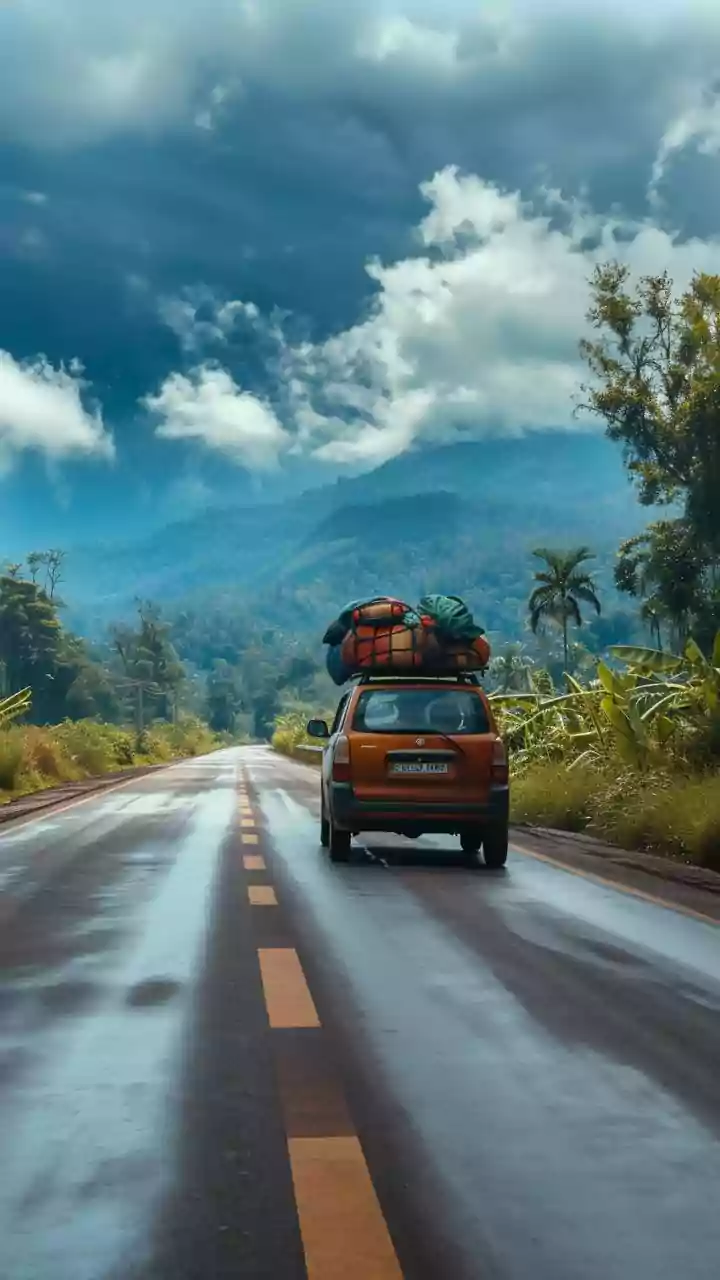
Your well-being is paramount. Before you go, consult a doctor or travel clinic about necessary vaccinations and destination-specific health risks. Ensure your travel insurance provides comprehensive coverage, including medical evacuation, which can be critical in remote locations. Research local customs and laws to avoid unintentional offences. For road safety, it's often better to hire a local driver than to drive yourself, as traffic laws and conditions can be unpredictable. Avoid hailing taxis off the street; book through your hotel or a trusted service when possible.
Embrace Flexibility and Patience
The single most important thing to pack is the right mindset. In places with limited infrastructure, things will not always go according to plan. Buses will be late, roads may be unexpectedly closed, and language barriers can lead to confusion. See these moments not as frustrations, but as part of the adventure. Patience and a sense of humour are your best travel companions. The ability to adapt and improvise is what turns a challenging trip into an unforgettable journey of discovery.