





A Workout for Your Brain's Plasticity
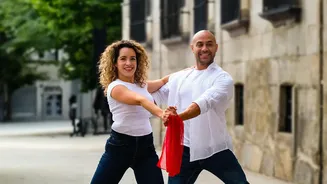
We often think of workouts in terms of muscle, but group dancing is also a powerful exercise for the brain. Learning choreography—whether it's a simple salsa step or a complex contemporary routine—demands focus, memory, and coordination. This process
stimulates your brain, creating new neural pathways and strengthening existing ones. Research shows that this kind of cognitive engagement can improve memory, attention, and problem-solving skills. In fact, a landmark study in the New England Journal of Medicine found that dancing was the only physical activity among those studied to be associated with a lower risk of dementia. Each time you master a new sequence, you're not just moving your feet; you're actively boosting your brain's resilience and cognitive acuity.
The Power of Synchronised Social Bonding
There's a unique magic that happens when a group of people moves together in time with music. This phenomenon, known as interpersonal synchrony, is a potent ingredient for social connection. Studies show that when we perform synchronous movements like dancing in a group, our brains foster feelings of trust, cooperation, and closeness with those around us. This experience can trigger the release of hormones like oxytocin, often called the “bonding hormone,” which enhances feelings of empathy and togetherness. For urban adults who may feel isolated despite being surrounded by people, a dance class offers a structured, low-pressure way to build genuine community and combat loneliness, creating a sense of belonging that extends beyond the studio.
A Calming Escape from Urban Overload
City life is a constant barrage of information and decision-making. Group dancing provides a much-needed mental sanctuary. The act of concentrating on rhythm, movement, and your body's position in space has a meditative effect, pulling you into the present moment. This focus helps quiet the relentless inner monologue and reduces the production of stress hormones like cortisol. As you dance, your brain releases endorphins, the body's natural mood elevators, which promote feelings of well-being and happiness. It’s a form of active mindfulness where the combination of physical exertion, music, and concentration becomes a powerful antidote to daily stress and anxiety.
Boosting Confidence and Body Positivity
In a world often focused on appearance, dance shifts the focus to what your body can do. The journey of learning to dance is one of incremental achievements. Mastering a tricky turn or finally getting the timing right on a sequence provides a tangible sense of accomplishment that builds self-esteem. This process encourages a healthier relationship with your body, one based on appreciation for its strength, agility, and expressiveness rather than just its looks. Performing in a group setting can also help you become more comfortable in your own skin and overcome social anxiety. As you gain control and agency over your movements, you cultivate a sense of confidence that radiates into other areas of your life.
Unlocking Your Creative Expression
Many adult lives are dominated by logic, emails, and spreadsheets, leaving little room for creative play. Dance offers a vital outlet for non-verbal self-expression, allowing you to convey emotions and stories without saying a word. Whether it's the structured elegance of ballroom or the free-form energy of contemporary dance, movement provides a space to explore and release feelings in a healthy way. This creative process is not just fun; it's therapeutic. It helps reconnect you with your inner self and brings a sense of balance to a life that may be overly analytical. Tapping into this expressive part of yourself can be incredibly liberating and fulfilling, adding a layer of emotional richness to your wellness routine.