





The Core Experience: What Are They?
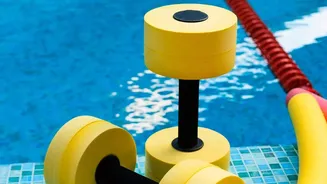
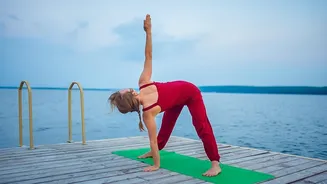
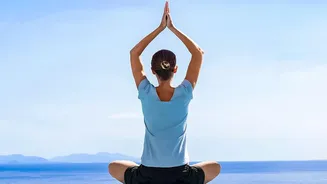
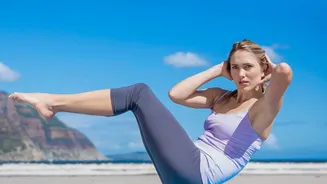
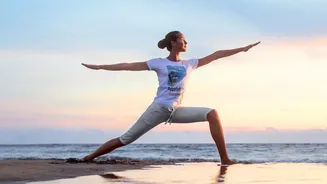
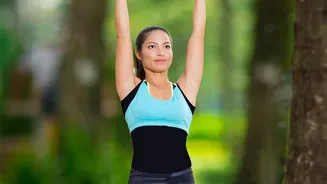
Aqua yoga involves performing traditional yoga poses in chest-deep water, typically a swimming pool. The practice uses the water's buoyancy for support and its resistance for a gentle challenge. It's a low-impact activity that focuses on flexibility,
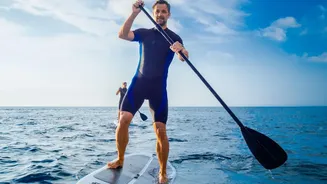
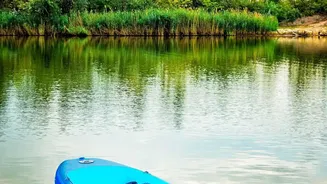
balance, and stress reduction, making yoga poses accessible to a wider range of people. In contrast, stand-up paddleboarding (SUP) is a full-body workout where you stand on a board and use a paddle to move across open water like lakes, rivers, or calm seas. It blends balance, strength, and cardiovascular fitness with an element of exploration and adventure.
The Movement: Calming Flow vs. Core Power
The physical movement in aqua yoga is gentle and supportive. The water's buoyancy reduces weight on the joints by about 70%, which can relieve pain and allow for a greater range of motion than on land. This makes it ideal for those with arthritis, joint injuries, or mobility issues. While low-impact, the water's natural resistance still helps to build muscle strength and improve flexibility. Paddleboarding offers a much more intensive, full-body workout. Maintaining balance on the board requires constant engagement from your core muscles, including your abs, obliques, and lower back. The act of paddling works your shoulders, back, and arms, while your legs and feet are constantly making micro-adjustments to stay stable. It is a powerful way to build core strength, improve posture, and get a solid cardio session.
The Learning Curve: Instant Zen or Wobble Zone?
Aqua yoga is exceptionally beginner-friendly. Because you are supported by water and often use the pool wall, there is virtually no learning curve to get started. Poses are modified for the water, and the fear of falling is eliminated, allowing newcomers to focus on movement and breathing from their very first session. Paddleboarding has a reputation for being one of the easiest water sports to learn, but it does involve an initial 'wobble zone'. Most beginners start on their knees and can typically stand up within the first 30 to 60 minutes in calm conditions. While falling in is part of the process, most people feel comfortable and confident after just a few sessions. The difficulty is highly dependent on conditions; calm, flat water is perfect for learning, whereas wind and chop can present a significant challenge.
Access and Cost: Finding Your Arena
Accessibility is a key differentiator. Aqua yoga is typically practiced in swimming pools, making it available year-round in many communities through local gyms, community centres, or private instructors. The only gear required is a standard swimsuit. Classes can range in price, often similar to other group fitness sessions. Paddleboarding requires access to a body of open water, which can be seasonal or geographically limited for many. The initial investment is also higher. While rentals are a great way to start, buying your own board can cost anywhere from a few hundred dollars for a basic inflatable model to over a thousand for a high-performance hard board. You will also need a paddle and a personal flotation device.
Which Is Right For You?
Choosing between aqua yoga and paddleboarding depends entirely on your fitness goals and personal preferences. If you are seeking a gentle, low-impact exercise to improve flexibility, reduce stress, and find a calming mind-body connection without a steep learning curve, aqua yoga is an excellent choice. It is particularly beneficial for those with joint pain, recovering from an injury, or who are new to exercise. If you are looking for a more adventurous and challenging full-body workout that builds core strength, enhances balance, and gets you out exploring nature, stand-up paddleboarding is likely your winner. It appeals to those who enjoy a blend of fitness and outdoor recreation and are comfortable with a moderate initial learning period.