






What Is Acupressure?
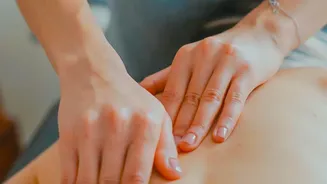
Acupressure is a form of traditional Chinese medicine that has been used for thousands of years. It works on the same principles as acupuncture, but without the needles. The practice involves applying firm pressure with fingers, thumbs, or other tools
to specific points on the body called 'acupoints'. According to traditional theory, these points lie along energy channels, or meridians, that carry 'qi' (life force energy) throughout the body. When this energy flow is blocked or out of balance, it can lead to pain and illness. Acupressure aims to restore this balance, helping to relax muscles, improve blood flow, and alleviate discomfort.
How It May Relieve Headaches
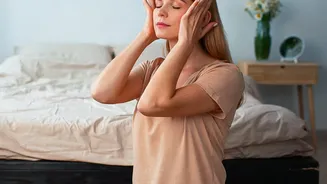
From a Western perspective, the benefits of acupressure may be explained differently. Applying pressure to these specific points, which are often tender spots or muscle trigger points, may help interrupt pain signals sent to the brain. The stimulation can also encourage the release of endorphins, the body’s natural pain relievers, and reduce levels of stress hormones. For tension headaches specifically, which are often caused by stress and tight muscles in the neck, shoulders, and head, this technique can help release that muscular tension and promote relaxation. While research is ongoing and many studies are small, some findings suggest acupressure can be an effective complementary treatment for managing headache symptoms.
Key Pressure Points for Headache Relief
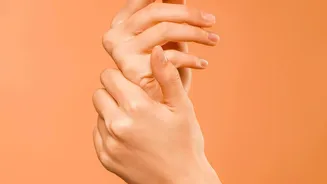
Several well-known acupoints are believed to be particularly effective for easing headache pain. Here are a few you can easily locate and try on yourself: Union Valley (LI4): This is perhaps the most famous pressure point for pain relief. It's located in the fleshy web between your thumb and index finger. To find it, press your thumb and index finger together; the point is at the highest part of the muscle bulge that forms. It's used to relieve tension in the head and neck. Gates of Consciousness (GB20): These two points are found at the base of the skull, in the hollows on either side of the neck between the two large vertical neck muscles. Applying pressure here can help with headaches caused by neck tension. Drilling Bamboo (UB2): These points are located in the indentations on either side of where the bridge of your nose meets the ridge of your eyebrows. They are particularly useful for headaches related to eyestrain and sinus pressure. Third Eye (Yin Tang): Found directly between your eyebrows, where the bridge of your nose connects to your forehead, this point is thought to relieve eyestrain and pressure that often lead to headaches.
How to Perform Acupressure at Home
Once you've located a pressure point, you can perform acupressure on yourself. Find a comfortable position, either sitting or lying down, and take a few deep, relaxing breaths. Use the thumb or index finger of your opposite hand to apply firm, steady pressure to the point. You might feel a slight ache or tenderness, but it should not be painful. If it hurts, you're pressing too hard. Hold the pressure for anywhere from 30 seconds to a couple of minutes while continuing to breathe deeply. Many people find that massaging the point in small circles enhances the effect. You can repeat this process on the corresponding point on the other side of your body and stimulate points as often as you like throughout the day.
Important Considerations Before You Start
Acupressure is considered a safe, noninvasive option for most people. However, there are some important precautions. You should not apply pressure to open wounds, rashes, varicose veins, or any areas that are swollen or inflamed. Most notably, pregnant individuals should avoid stimulating the Union Valley (LI4) point, as it is traditionally thought to have the potential to induce labor. While acupressure can be a helpful tool for managing occasional tension, it is not a replacement for medical care. If you experience severe, frequent, or persistent headaches, it's crucial to consult a healthcare professional.