




A Welcome Spike in Sales
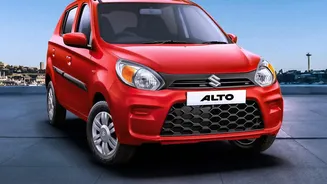
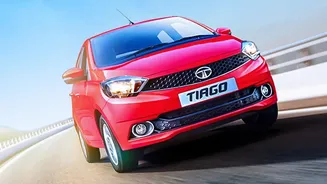
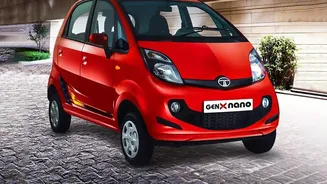
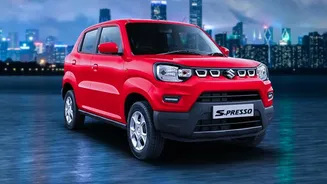
Recent sales data paints a promising picture for India's small-car segment. Maruti Suzuki, the nation's largest carmaker, has reported remarkable growth. For the period of April to August 2026, sales in its entry-level segment, which includes the popular
Alto and S-Presso models, skyrocketed by over 96% compared to the same period last year. Overall passenger vehicle sales for the company also saw a healthy 36% year-on-year increase during these five months. For example, the Maruti Alto saw its sales jump 57% year-on-year in August 2026 alone. This rebound is a significant turnaround for a segment that had been facing headwinds for several years, squeezed by rising costs and a consumer shift towards larger SUVs.
The GST 2.0 Catalyst
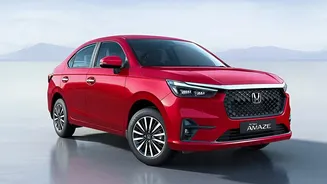
The primary driver behind this sudden revival is a significant government policy change known as GST 2.0. Implemented in September 2025, this tax reform was specifically designed to make certain vehicles more affordable. It reduced the Goods and Services Tax (GST) rate on small cars—those less than four metres in length with engine capacities up to 1,200cc for petrol or 1,500cc for diesel—from a hefty 28% down to 18%. By removing additional cesses and lowering the base tax, the on-road cost of these vehicles dropped, effectively widening the market. Automakers passed these benefits on to consumers, making entry-level cars a much more attractive proposition for budget-conscious buyers.
A Changing Face of the Buyer
This is where the story gets interesting. The sales surge isn't just about previous customers returning; it's about a new demographic entering the market. For the first time in nearly five years, the share of first-time car buyers has seen a meaningful increase. At Maruti Suzuki, first-time buyers accounted for 48% of sales between September 2025 and February 2026, a significant jump from the period before the tax cut. Some reports indicate their share rose to as high as 54% between April and August 2026, up from 42% the previous year. Automakers are seeing a clear trend of two-wheeler owners upgrading to their first car, a sign that improved affordability is reigniting the dream of four-wheeler ownership for a wider section of the population. This shift in the buyer mix is crucial; it suggests a broadening of the market base rather than just pent-up demand from existing car owners.
Why It's Not a Full-Throttle Recovery
Despite the impressive numbers in the mini-car segment, industry experts remain cautiously optimistic. The headline figures, while strong, are being compared to a very low base from the previous year when sales were weak ahead of the anticipated tax cuts. The revival is also highly concentrated in the entry-level segment that directly benefited from the GST reduction. Other segments have not seen the same explosive growth, indicating that underlying economic pressures, such as inflation and higher financing costs, still weigh on the minds of many consumers. While monthly wholesale volumes for passenger vehicles have been healthy, some popular small cars like the Maruti Alto K10 and Renault Kwid saw a month-on-month decline in sales in August 2026, suggesting that demand can be volatile. This isn't a tide that is lifting all boats equally; it's a targeted boost for the most affordable options on the market.
The Road Ahead for Small Cars
The resurgence of the small car raises important questions about the future of the Indian auto industry. For years, the market has been steadily premiumizing, with a clear preference for feature-packed SUVs. The success of the GST 2.0 reform proves that affordability remains a powerful engine for growth. It has forced automakers to re-evaluate their portfolio and recognize the vast, untapped potential among first-time buyers and those in non-metro areas. The trend suggests a bifurcation in the market: one track for aspirational, feature-rich SUVs driven by younger, urban buyers and another, equally important track for practical, value-for-money small cars. The challenge for carmakers will be to cater to this renewed demand for affordability while navigating stricter safety norms and rising input costs, which have been making the traditional 'cheap car' a thing of the past.