





Beyond the Usual Suspects
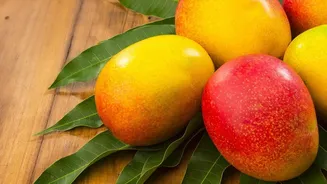
While the world fawns over the Alphonso and Kesar from March to June, a new chapter in India's mango story is being written by varieties that ripen later in the season. Traditionally, the export calendar would wind down by July. However, varieties harvested
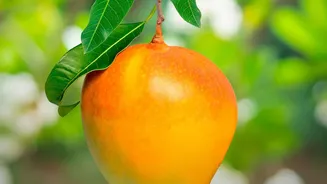
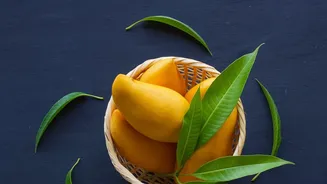
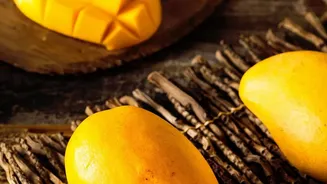
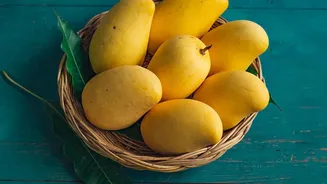
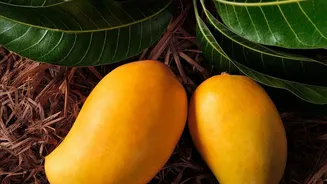
from late June through July and even into August, such as Neelam, Totapuri, Langra, and Chausa, are now stepping into the international spotlight. A recent, first-ever air shipment of Neelam and Totapuri mangoes from Karnataka to the Maldives on July 30, 2026, highlights this significant shift. This move not only diversifies India's export basket but also strategically lengthens the period during which Indian mangoes are available to global consumers.
New Markets and Growing Appetites
The push for late-season varieties is opening doors to new and existing markets hungry for a taste of India. The recent shipment to the Maldives is a prime example of creating new trade corridors. While the Middle East and the UK have been traditional destinations for late-season favourites like Chausa and Langra, there is a concerted effort to expand this reach. The Agricultural and Processed Food Products Export Development Authority (APEDA) has been instrumental in these efforts. APEDA's chairman, Abhishek Dev, noted that such initiatives enhance market access and create new opportunities for these late varieties. The United States also remains a high-potential market, with USDA approval paving the way for varieties like Langra and Chausa from northern India to be exported. This expansion is crucial, especially as other markets like Japan have presented regulatory challenges this season.
A Boost for Farmers and Rural Economies
This extended season is more than just a logistical achievement; it's a significant economic victory for farmers. By creating a longer selling period, it reduces the pressure on the peak season and provides a more stable revenue stream. The direct sourcing model being promoted by APEDA has proven particularly beneficial. For the shipment to the Maldives, the mangoes were sourced directly from farmers associated with a Farmer Producer Company (FPC) in Karnataka's Kolar district. This direct linkage enabled the farmers to earn over 50 percent higher returns compared to selling through conventional domestic channels. By connecting FPCs with global markets, the system cuts out intermediaries, ensuring a larger share of the profit reaches the growers and contributes to sustainable income growth.
The Strategy Behind the Success
The successful export of late-season mangoes is the result of a multi-pronged strategy involving government support, entrepreneurial spirit, and improved logistics. APEDA has been actively working with state governments and farmer organizations to strengthen infrastructure and facilitate market access. The recent shipment from Karnataka, for instance, was handled by a newly registered woman entrepreneur, highlighting the growing role of women in India's agri-export ecosystem. Furthermore, an increased focus on quality, traceability, and improved cold-chain infrastructure is making it possible to ship these delicate fruits across the globe while maintaining their freshness and flavour. By promoting varieties like the sweet and juicy Neelam or the versatile, tangy Totapuri, India is showcasing the incredible diversity of its produce and its capability to meet international demand beyond the traditionally known varieties.