


The Vitamin C Champion: Radish
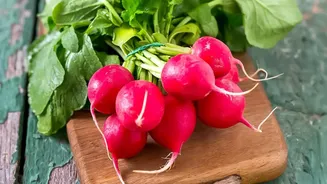
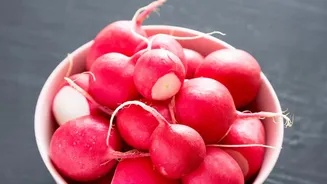
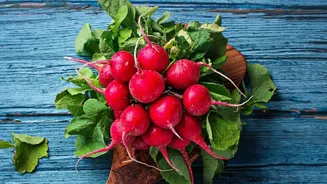
If you're looking to boost your immune system, radish is your winner. It is an excellent source of Vitamin C, an essential antioxidant that helps protect your cells from damage, supports healthy skin by aiding collagen production, and strengthens your body's
defences. A single serving of radishes can provide a significant portion of your daily Vitamin C requirement, making it a powerful ally during season changes. This peppery vegetable is also remarkably low in calories and carbohydrates, making it a great crunchy snack for those managing their weight or blood sugar levels.
The Folate Powerhouse: Beetroot
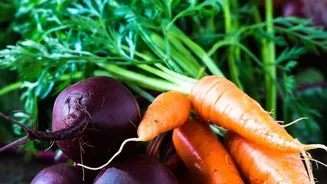
When it comes to folate, also known as Vitamin B9, beetroot takes the crown. Folate is crucial for healthy cell growth, DNA synthesis, and is particularly important for preventing birth defects during pregnancy. A serving of beetroot can supply about 20% of your daily folate needs. This nutrient also plays a role in supporting heart health. So, if cell regeneration and development are your priorities, the deep red hues of beetroot signal a clear nutritional victory in this category.
Beyond the Headlines: A Deeper Nutrient Dive
While the headline highlights a key difference, the nutritional battle is more complex. Beetroot is richer in several other minerals, including iron, which is vital for transporting oxygen in the blood, and potassium, which helps regulate blood pressure. It also contains more dietary fibre, which aids digestion. Radishes, on the other hand, offer more calcium, a key mineral for bone health. Radishes are also lower in calories and sugar, containing just 16 calories per 100 grams compared to beetroot's 43. Overall, beetroot is more nutrient-dense, while radish is the lighter option.
The Antioxidant Advantage
Both vegetables possess powerful antioxidant properties, but they come from different compounds. Beetroot is packed with betalains, the pigment responsible for its vibrant colour. These antioxidants are known for their anti-inflammatory properties and ability to protect cells from oxidative stress. Radishes contain other types of antioxidants, like sulforaphane and anthocyanins (in red varieties), which may help reduce the risk of certain chronic diseases and support liver function. While both are beneficial, beetroot's betalains give it a slight edge in the antioxidant department.
In the Kitchen: A Culinary Clash
In Indian cuisine, both vegetables have their distinct places. Radish (mooli) is a star in the winter, famously grated into mooli parathas, added for a sharp crunch in salads, or pickled to perfection. Its peppery flavour mellows when cooked, as seen in various sabzis. Beetroot (chukandar), with its inherent sweetness, lends itself beautifully to juices, vibrant salads, and even desserts like beetroot halwa. It’s also used to make colourful and nutritious sabzis and curries. Roasting both vegetables brings out a subtle sweetness, offering another versatile way to enjoy them.
The Verdict: Which One Is for You?
Declaring a single winner is impossible because the “better” vegetable depends entirely on your personal health goals. If you need an immune boost or a low-calorie, crunchy snack, reach for a radish. Its high Vitamin C content and low sugar levels are a clear advantage. If you are focusing on heart health, improving blood flow, or require more folate for cell growth, beetroot is the superior choice. Its richness in nitrates, iron, and potassium makes it a powerhouse for cardiovascular and blood health.