



Why Herbs Are Your Best Starting Point
Jumping straight into growing complex vegetables can be intimidating. Herbs, on the other hand, are the perfect gateway to home gardening. They are relatively low-cost, grow quickly, and provide the instant gratification of adding homegrown flavour to your
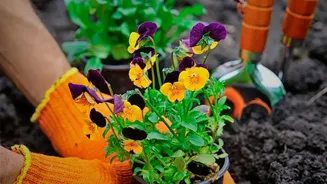
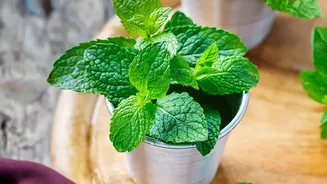
meals. Successfully keeping a pot of mint alive teaches you the fundamentals: understanding sunlight, mastering watering, and learning how much attention a plant truly needs. These small victories build the confidence and foundational knowledge necessary to take on more ambitious projects later. A kitchen garden is meant to be convenient, and nothing is more convenient than herbs you use daily.
Your First Green Friends: Four Easy Herbs
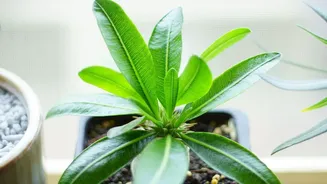
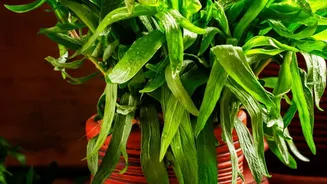
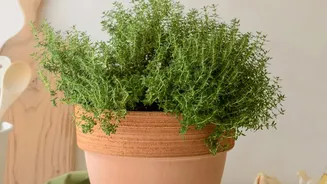
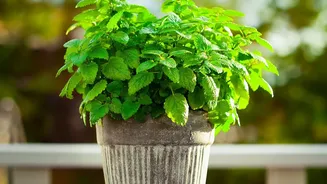
For Indian kitchens, a few herbs are simply essential. Luckily, they are also among the easiest to grow. Start with these four: Mint (Pudina): This resilient herb is famous for its vigorous growth. It thrives in pots and prefers moist soil and a spot with a few hours of sun. It's forgiving for beginners and you can easily propagate new plants from cuttings. Soon, you'll have a fresh supply for chutneys, raitas, and refreshing drinks. Coriander (Dhania): A staple in almost every Indian dish, coriander can be grown from the same seeds found in your spice box. It grows best in cooler weather and needs about four to six hours of sunlight. The key is to harvest the outer leaves first to allow the plant to keep producing. Holy Basil (Tulsi): More than just an herb, Tulsi is a revered plant in many Indian homes. It’s also remarkably easy to care for, thriving in pots with good drainage and several hours of direct sunlight. Regular watering and a sunny spot will ensure you have fresh leaves for your morning tea or for its various medicinal uses. Curry Leaves (Kadi Patta): While this is more of a small shrub that takes time to establish, it's incredibly low-maintenance once it gets going. Plant a small sapling from a nursery in a large pot, as it needs room for its roots to grow. It loves a warm, sunny climate and is an indispensable part of South and West Indian cooking.
From Garnish to Harvest: Graduating to Vegetables
Once you’ve successfully managed your herb garden, you’ll find you’ve developed an intuitive sense for what your plants need. You've learned how to check soil moisture, how different spots on your balcony get different amounts of light, and the importance of a pot with good drainage. These are the exact same skills required to grow larger food crops. The transition feels natural because you're simply applying your knowledge on a slightly bigger scale. Your herb garden has been your training ground, preparing you for the rewarding experience of harvesting your own vegetables.
Your Next Edible Adventure: Beginner Vegetables
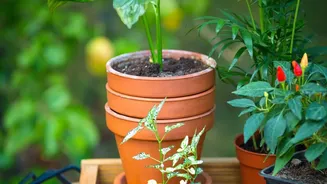
Ready for a bigger challenge? These vegetables are ideal next steps, as they are well-suited for container gardening in Indian climates. Green Chillies: These plants are compact and highly productive, making them perfect for pots on a sunny balcony. They don't require much space and will reward you with a steady supply of chillies for your cooking. Tomatoes: There's nothing like the taste of a homegrown tomato. Start with smaller varieties like cherry tomatoes, which are prolific and do well in deep pots. They love sunshine and will need some support, like a small stake or trellis, as they grow. Spinach (Palak): This leafy green grows quickly and can be ready for its first harvest in under a month. It's a 'cut-and-come-again' plant, meaning you can harvest the outer leaves, and the plant will continue to produce more from the centre. It does well in pots and doesn't require deep soil, making it very efficient for small spaces.