






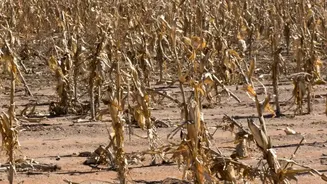
The Disappearing 'White Gold'
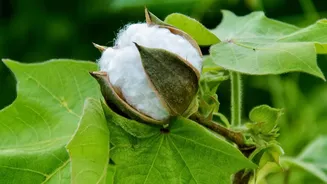
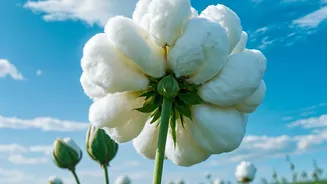
The numbers for the 2026-27 Kharif season paint a stark picture. Against a government target of 1.25 lakh hectares, farmers have sown cotton on only about 80,000 hectares. This represents a dramatic drop from the 1.19 lakh hectares cultivated in the previous
year and is the lowest cotton acreage recorded in the state's recent history. This decline is not a sudden event but the culmination of a six-year trend that has seen cotton acreage, production, and yields fall nationwide. The impact is so significant that India's raw cotton imports nearly doubled in the last year to meet domestic demand for the textile industry.
Why Farmers Are Abandoning Cotton
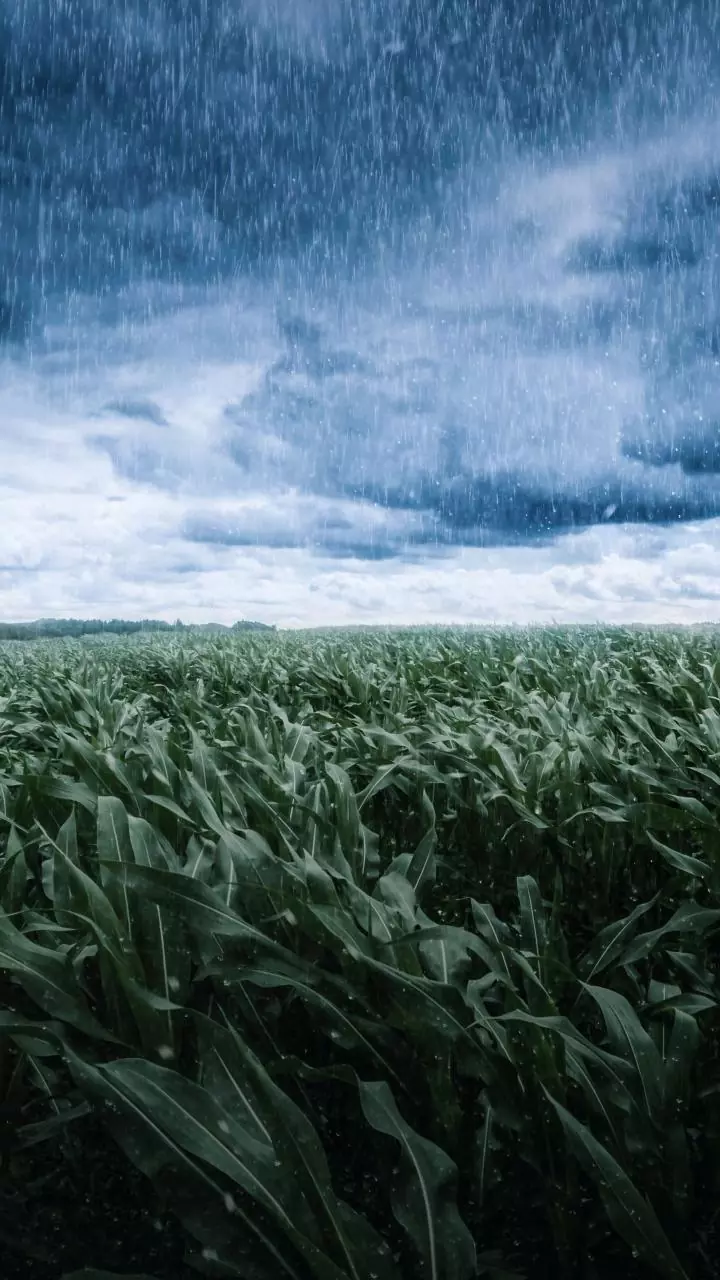
For farmers in Punjab's cotton belt, the decision is a matter of survival. For years, they have battled a series of challenges that have made the crop increasingly unviable. Persistent pest attacks, particularly from the whitefly and pink bollworm, have devastated yields. Coupled with this, erratic weather patterns, such as unseasonal rains during the crucial harvesting period in 2025, led to severe financial losses and eroded farmer confidence. While the government offered subsidies on seeds, the economic risks associated with volatile market prices and high input costs have pushed farmers to seek more reliable alternatives. The memory of repeated crop failures has simply made cotton too risky a venture for many.
The Urgent Push for Diversification
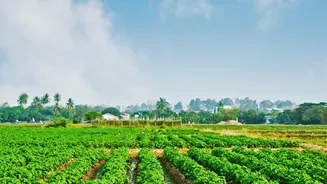
The decline in cotton is happening against the backdrop of a much larger crisis: Punjab's precarious environmental situation. For decades, the state's agriculture has been dominated by a water-intensive wheat-paddy cycle, a legacy of the Green Revolution that made India food-secure. But this success has come at a tremendous cost. Punjab is now the highest extractor of groundwater in the country, with studies warning that the water table is depleting by over half a meter annually. This relentless extraction has turned over 75% of its administrative blocks into 'dark zones' where groundwater is over-exploited. Recognizing this existential threat, successive state governments have pushed for crop diversification—a strategy to encourage farmers to shift away from paddy to less water-intensive crops like maize, pulses, oilseeds, and, ironically, cotton.
The Paddy Paradox
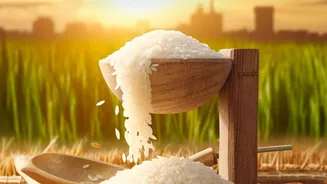
Herein lies the central problem. While farmers are moving away from cotton, many are not choosing the diverse, water-saving alternatives the government hopes for. Instead, they are turning to the most familiar and economically secure option available: paddy. The reason is simple. Paddy cultivation is backed by a robust system of Minimum Support Price (MSP) and assured government procurement, which guarantees a market and a stable income. For most farmers, the economic certainty of rice outweighs the risks of other crops that lack a similar support structure. As a result, the decline in cotton acreage is expected to directly increase the area under paddy, putting even more strain on Punjab's already stressed groundwater resources.
Are There Any Real Alternatives?
The situation isn't entirely bleak. The Punjab government is actively trying to make other crops more attractive. For the 2026-27 season, it has expanded a scheme to 16 districts that offers a significant cash incentive of ₹17,500 per hectare for farmers who switch from paddy to maize. This initiative, which targets 20,000 hectares, is a direct attempt to break the paddy cycle by making maize more profitable. Beyond maize, experts point to other potential alternatives like basmati, moong, and various oilseeds, which were once grown more widely in the state. Some farmers are even experimenting with high-value crops like strawberries and turmeric. However, for these to become mainstream, they require not just subsidies but also strong market linkages and a guaranteed procurement system similar to what exists for paddy and wheat.