

A Strategy to Preserve a Legend
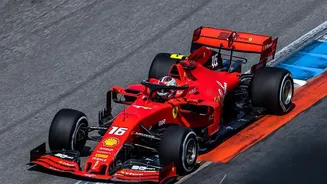
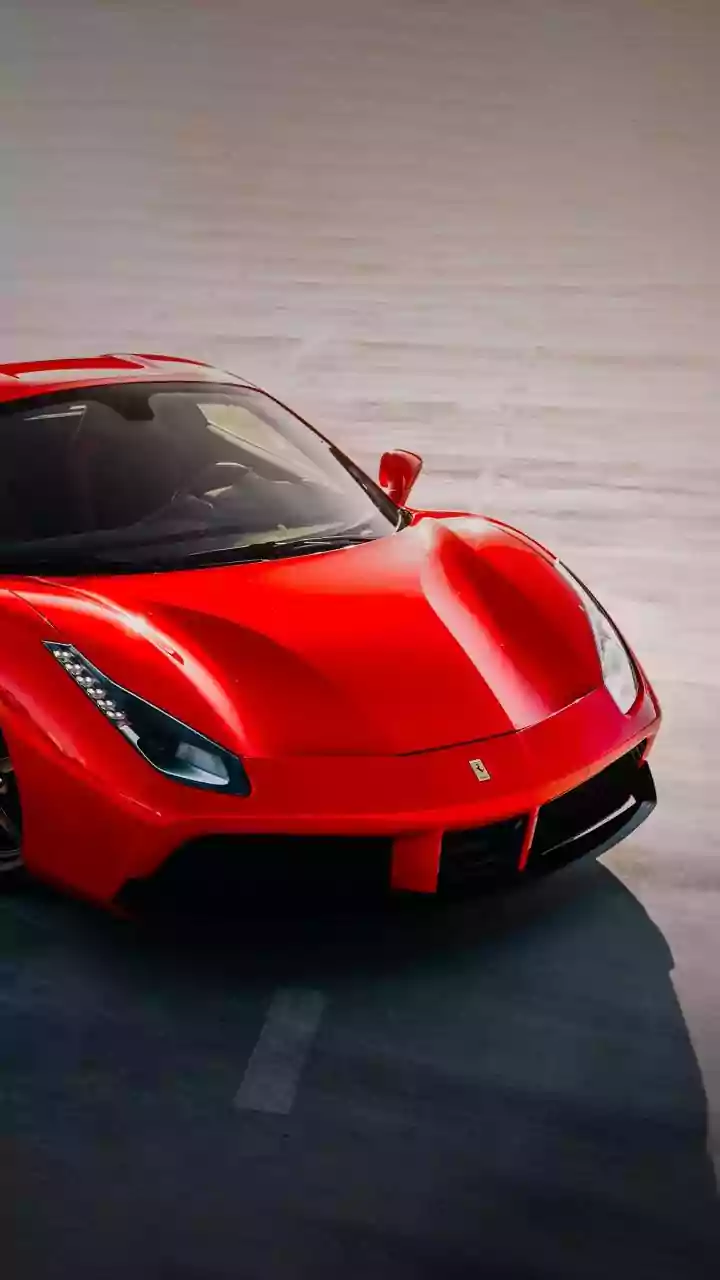
In a recent earnings call, Ferrari CEO Benedetto Vigna confirmed the company is actively testing carbon-neutral fuels, including biofuels. He stated that their engines perform “very well” with these alternatives and that “nothing changes” in terms of performance.
This isn't a rejection of electrification—Ferrari’s first EV is on its way—but a parallel strategy. It's a calculated move to preserve the internal combustion engine (ICE), the very heart and soul of the brand, for as long as possible. For a company whose identity is so deeply intertwined with the sound, feel, and drama of its engines, this exploration is about more than just emissions; it's about survival in a changing automotive landscape.
What Are Biofuels and E-Fuels?
The terms are often used together, but they represent different technologies. Biofuels are renewable fuels derived from organic matter like crops, agricultural waste, or used cooking oil. E-fuels, or synthetic fuels, are created by combining hydrogen (produced using renewable electricity) with carbon dioxide captured from the atmosphere. The core idea for both is carbon neutrality. While they release CO2 when burned in an engine, this is theoretically offset by the CO2 absorbed or captured during their production process. For Ferrari, these fuels offer a tantalizing prospect: the ability to run a traditional engine with a significantly reduced net carbon footprint, sidestepping the main criticism of high-performance cars.
The Race Against Regulation
This strategic pivot is happening against the backdrop of tightening environmental laws. The European Union has driven legislation to effectively ban the sale of new CO2-emitting cars from 2035. However, a potential exemption for cars running exclusively on carbon-neutral e-fuels has kept the door ajar for manufacturers of high-performance vehicles. While this regulation has faced debate and potential easing, the direction of travel is clear: a massive reduction in fleet emissions is required. Ferrari is not alone in this pursuit. Porsche has invested over $100 million in e-fuel production facilities, signalling a similar desire to save its iconic boxer engines from extinction. This is an industry-wide push by heritage brands to find a path for the ICE in a post-fossil fuel world.
Major Hurdles Remain
Despite the promise, biofuels and e-fuels face significant challenges. The primary obstacle is scale. Currently, production is limited and incredibly expensive compared to traditional gasoline. Porsche has noted the high cost, although it hopes to bring it down with increased investment and scale. Furthermore, the infrastructure for mass distribution simply doesn't exist. There are also political and regulatory questions about whether governments will officially certify these fuels as a compliant path to carbon neutrality for new vehicles. For now, Ferrari's move is an exploration and a statement of intent rather than a product announcement. The company has made it clear that it is committed to its goal of overall carbon neutrality by 2030, a plan that includes hybridization, its first EV, and improving efficiency at its Maranello factory.