




The Power of the Swing
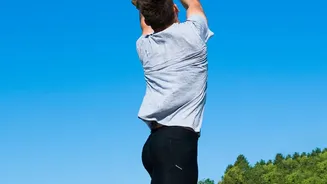
Dynamic, powerful, and efficient, 'swing' exercises have become a staple in gyms and home workouts for good reason. From the classic kettlebell swing to the rotational power needed in sports like golf and tennis, these movements build explosive strength,
improve cardiovascular fitness, and burn a significant number of calories in a short time. A kettlebell swing, for example, is a full-body exercise that engages major muscle groups in your upper body, lower body, and midsection simultaneously. The goal is to generate force from the lower body and transfer it through a stable torso to move an external weight or implement. When done correctly, the movement is a beautiful display of coordinated power. When done incorrectly, however, it can place significant strain on the body, particularly the lower back.
Beyond the Six-Pack: Redefining Your Core
Many people hear 'core' and immediately think of the rectus abdominis—the 'six-pack' muscles visible on the front of the stomach. In reality, your core is a complex network of muscles that acts as a natural corset for your trunk, connecting your upper and lower body. This muscular cylinder includes deep abdominal muscles like the transverse abdominis, which wraps around your torso to stabilize the spine. It also includes the muscles along your back (erector spinae), the obliques on your sides, the diaphragm at the top, and the pelvic floor and glutes at the bottom. Together, these muscles work to stabilize your spine and pelvis from every direction.
Your Core as a Powerhouse and Protector
Think of your core as the crucial link in a chain that transfers energy from the ground, through your legs, and out to your arms. In a kettlebell or golf swing, the power originates from a powerful hip extension, driven by the glutes and hamstrings. A stable core allows this force to travel efficiently up the body without any 'energy leaks'. If the core is weak or disengaged, the body cannot maintain a rigid structure. This not only robs the movement of its power but also forces other, smaller muscles to compensate, most notably those in the lower back. A strong core braces the spine, protecting it from the powerful rotational and hinging forces that are characteristic of swing exercises.
The Dangers of an Unstable Foundation
Performing explosive swing exercises with a weak or unstable core is a recipe for injury. Without adequate core stability, the lumbar spine can be forced into excessive flexion or extension, placing dangerous stress on the spinal discs and surrounding ligaments. This is a primary reason why many people complain of lower back pain after performing swings. An unstable core also leads to poor balance and control, making the movement inefficient and sloppy. Instead of a crisp, powerful hip hinge, the movement might look more like a squat, with the arms doing most of the lifting work. This not only negates the purpose of the exercise but also increases the risk of shoulder or back strain. Over time, this compensation can lead to overuse injuries.
How to Build a Rock-Solid Core
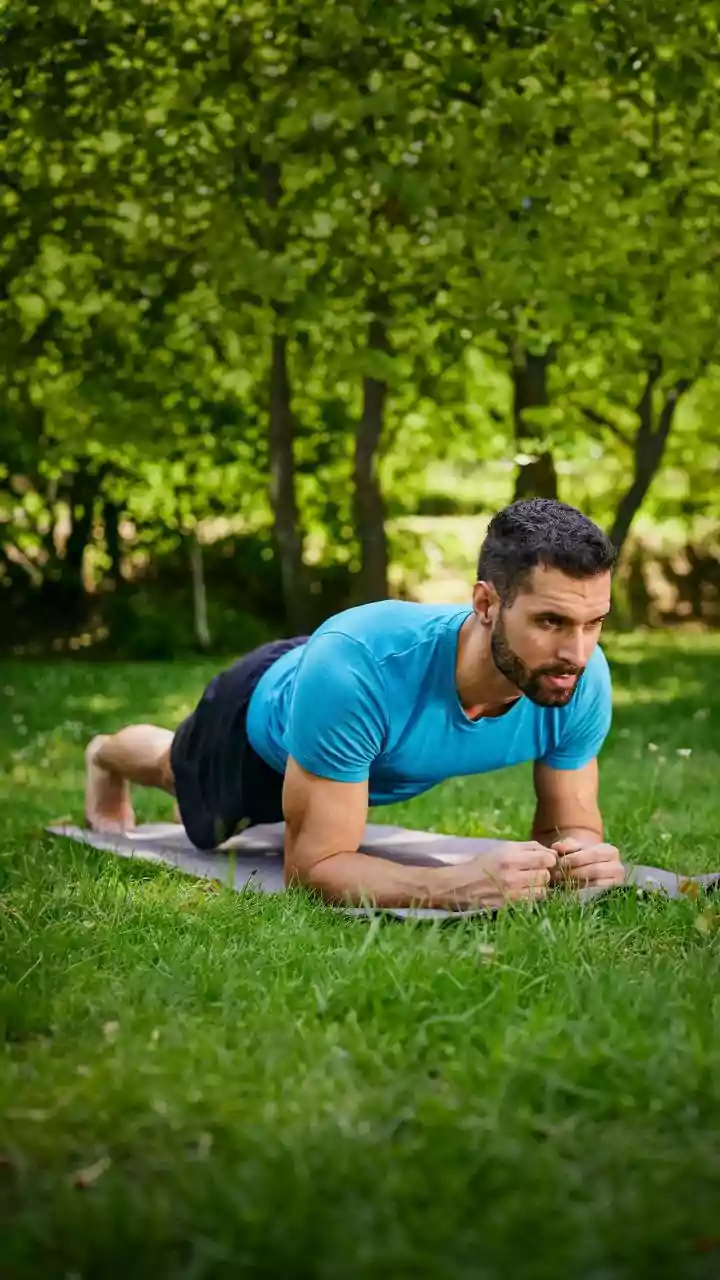
Building a stable core isn't about endless crunches. It's about training the muscles to resist movement and maintain a neutral spine. Exercises that focus on 'anti-extension' (like a plank), 'anti-rotation' (like a Pallof press), and 'anti-lateral flexion' are far more effective for building the kind of stability needed for powerful swings. Incorporate these foundational movements into your routine: Plank: This classic exercise teaches your entire core to work together to keep your spine straight. Bird-Dog: Performed on all fours, extending an opposite arm and leg challenges your core to prevent your torso from rotating or your lower back from arching. Glute Bridge: This exercise strengthens the glutes and lower back, which are essential for the hip-hinge pattern used in swings. Pallof Press: Using a cable or resistance band, this exercise directly trains your core's ability to resist rotational forces, which is crucial for controlling swings. By focusing on these types of stability exercises, you build a foundation that allows you to perform swing movements both powerfully and safely.