




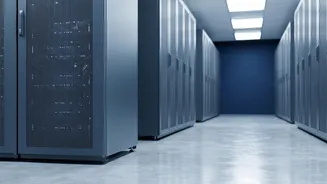


The Unseen Engine of AI
Every time you use a generative AI tool, you're tapping into a massive, power-hungry network of data centers. These facilities are the physical backbone of the digital world, housing thousands of specialized computer servers that run 24/7. Training and operating
large AI models require immense computational power, which translates directly into staggering electricity consumption. According to the International Energy Agency (IEA), global data center electricity use stood at about 1.5% of the world's total in 2024 and is projected to double to 3% by 2030, with AI being the primary driver of this growth. Some individual AI data centers are projected to require as much power as a large city, creating a significant new source of demand on the world's power grids.
A Growing Thirst for Water
Beyond electricity, data centers also have a massive water footprint. The powerful servers inside generate intense heat and require constant cooling to prevent overheating and damage. A common method is evaporative cooling, which uses vast quantities of water. A single large data center can consume up to 19 million litres of water per day — as much as a city of 50,000 people. This creates a direct competition for freshwater resources, which are often the same sources local communities rely on for drinking water. As AI's complexity grows, so does its need for cooling, putting a strain on water supplies, particularly in regions already experiencing drought or water stress.
The Ripple Effect on Your Power Bill
When a new, massive consumer of electricity like an AI data center connects to the local grid, it can upset the delicate balance of supply and demand. If energy production doesn't increase quickly enough to meet this new demand, wholesale electricity prices can rise for everyone. Several analyses suggest this is already happening in some areas, with the surge in data centers coinciding with rising electricity prices for households. Utilities may need to invest billions in new power plants and transmission lines to service these facilities, and under traditional rate-setting models, those infrastructure costs are often spread across all customers, leading to higher electricity bills for both homes and businesses. While some studies argue data centers can lower costs by creating consistent demand, the risk of price hikes remains a key concern for regulators and consumers.
From the Power Plant to Your Plate
The connection between electricity rates and the price of your groceries may not be immediately obvious, but it's a direct one. Energy is a fundamental input for almost every part of the modern economy. Farmers rely on electricity to power irrigation pumps and processing equipment. Manufacturers need it to run factory machinery. Transportation networks that move goods from farms and factories to stores depend on fuel, the price of which is linked to overall energy costs. When the price of energy and water goes up for these producers, their operating costs increase. These higher costs are typically passed down the supply chain, eventually showing up as higher prices for food, clothing, and other essential goods on store shelves. Economists have noted it can take up to a year for a spike in energy costs to fully translate into higher consumer prices across the board.