








The Boom Narrative: A Spending Surge
On the surface, there's plenty of evidence to suggest Indians are on a spending spree. Consumer spending in the first quarter of 2026 saw a notable increase, crossing ₹49 lakh crore. This is visible in the market for premium goods, which is expanding
rapidly. For instance, in the first three months of 2026, Indians bought fewer smartphones but spent more money on them, pushing the average selling price to a record high. This trend, known as premiumisation, is seen across various sectors, from high-end cars to superior-grade shopping malls. Mercedes-Benz India reported that its top-end portfolio, with cars costing over ₹1.4 crore, grew significantly and now accounts for a large portion of its sales. This aspirational spending is fueled by factors like rising incomes for some, better access to credit, and a desire for higher quality products and experiences.
The Cautionary Tale: A Turn Towards Saving
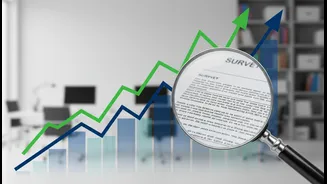
But a closer look reveals a parallel, more cautious story. While some are upgrading their lifestyles, many others are bolstering their financial defenses. The Reserve Bank of India (RBI) keeps a close watch on this sentiment through its regular consumer confidence surveys in both urban and rural areas, the results of which are crucial inputs for monetary policy. Recent data has shown a significant shift in how households save. There's a clear move away from traditional bank deposits and towards financial assets like mutual funds, often through Systematic Investment Plans (SIPs). While India's household savings rate had fallen to a multi-decade low in FY23, this was partly a statistical story of money moving from deposits to market-linked investments. In reality, disciplined investing has soared, with SIP contributions crossing ₹31,000 crore per month by early 2026, indicating that a large number of households are prioritizing long-term wealth creation over immediate spending.
The Squeeze: When Cutting Back is the Only Option
For a significant portion of the population, the debate isn't between a new car or a new mutual fund; it's about managing daily expenses. Persistent food inflation and rising input costs are forcing many families, particularly in lower and middle-income brackets, to cut back. Consumers are adapting by choosing smaller pack sizes, buying less frequently, and postponing non-essential purchases. This is especially true in urban areas, where rising living costs and EMI burdens on loans are eroding household savings despite income growth. Reports from early 2026 highlighted that urban consumption recovery has been weaker than in rural areas, precisely because discretionary spending has slowed sharply among city dwellers. While rural demand has shown resilience, outperforming urban markets in recent quarters, it remains heavily dependent on factors like a good monsoon and stable farm incomes.
A Divided Reality: The K-Shaped Economy
So, are Indians spending, saving, or cutting back? The answer is all three. India's economy is not moving in one single direction but is displaying the characteristics of a K-shaped recovery. In this scenario, different segments of the population experience diverging economic fortunes. Affluent and upper-middle-class consumers are driving the premium spending boom, investing in better experiences and products. Simultaneously, a large, cautious segment of the middle class is channeling its funds into financial savings, planning for an uncertain future. At the other end, millions are being forced to cut back on essentials and delay purchases as inflation and stagnant real wages squeeze their budgets. This divergence between rural volume growth and urban value growth, and the split between the premium and entry-level markets, paints a picture of a complex, stratified consumer landscape. For policymakers, this means one-size-fits-all solutions are bound to fail. The challenge is to craft policies that support the aspirational, protect the savers, and provide relief to those being squeezed.