








The Problem with Food Guilt
For many, keeping a food diary starts with good intentions but quickly devolves into a log of perceived failures. Society often labels foods as “good” or “bad,” “clean” or “sinful,” which attaches a moral value to what is simply nourishment. This way
of thinking can create a stressful cycle: you eat a so-called “bad” food, feel guilty, and then restrict yourself, which can lead to intense cravings and eventual overeating. This cycle of restriction and guilt doesn't just harm your mental well-being; it can also trigger a stress response in the body. Ultimately, labeling food choices as moral failings is counterproductive and makes it harder to build a sustainable, healthy relationship with eating.
Shift from Judgment to Curiosity
The most powerful change you can make is to shift your mindset from that of a critic to that of a curious observer. Think of yourself as a detective gathering clues, not a judge handing down a sentence. The goal is not to police your choices but to understand them. This approach, rooted in principles of mindful and intuitive eating, encourages you to become more aware of your body's signals without the pressure of perfection. When you approach your notes with curiosity, you create a judgment-free space that fosters honesty and self-compassion, two key ingredients for lasting behavior change. You're not looking for mistakes; you're looking for information. This simple reframing can turn journaling from a source of anxiety into a powerful tool for self-awareness.
What to Note Beyond the Food
A guilt-free food journal records more than just what you ate. The context is often more revealing than the calories. Instead of just listing “cookies,” try expanding your notes to capture the full picture. Consider tracking these data points: - Hunger and Fullness Levels: On a scale of 1-10, how hungry were you before eating, and how full did you feel after? This helps you reconnect with your body's natural cues. - Mood and Emotions: Note how you were feeling before, during, and after eating. Were you stressed, bored, happy, or anxious? This can help you identify emotional eating patterns. - Physical Sensations: Did a meal leave you feeling energized and satisfied, or sluggish and bloated? - Location and Company: Where were you eating and who were you with? Eating at your desk while working feels different than sharing a meal with friends. By logging these details, you start to connect the dots between your life and your eating habits.
How to Identify Your Personal Patterns
After a week or two of consistent, curious note-taking, it's time to review your findings. Look for recurring themes without passing judgment. Instead of thinking, “I was bad and ate sweets every afternoon,” a pattern-focused approach sounds like, “I notice I crave something sweet around 3 p.m. on workdays, especially when I'm feeling tired.” This observation isn't a failure; it's a valuable piece of data. Perhaps you need a more protein-rich lunch to sustain your energy, or maybe a short walk and a glass of water is what your body truly needs at that time. The journal helps you spot these connections. Do you consistently feel bloated after a certain type of food? Do you snack more when you've had poor sleep? These patterns empower you to make informed choices that honor your body's needs, rather than trying to follow rigid, external rules.
Putting It Into Practice
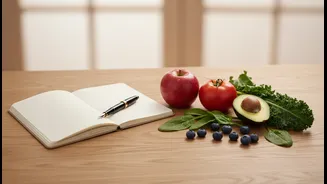
To start your own guilt-free food journal, find a method that feels easy and accessible, whether it's a simple notebook or a notes app on your phone. Some experts even prefer analog methods to slow down the process and make it more mindful. Use neutral language; describe foods as they are, not with labels like “junk” or “healthy.” Focus on what you can add to your diet—like more vegetables or water—rather than what you need to restrict. Finally, approach your notes with kindness. Recognize that every eating experience is an opportunity to learn. There is no perfect diet, and one meal or one day of eating doesn't define your health. The goal is progress and understanding, not perfection.